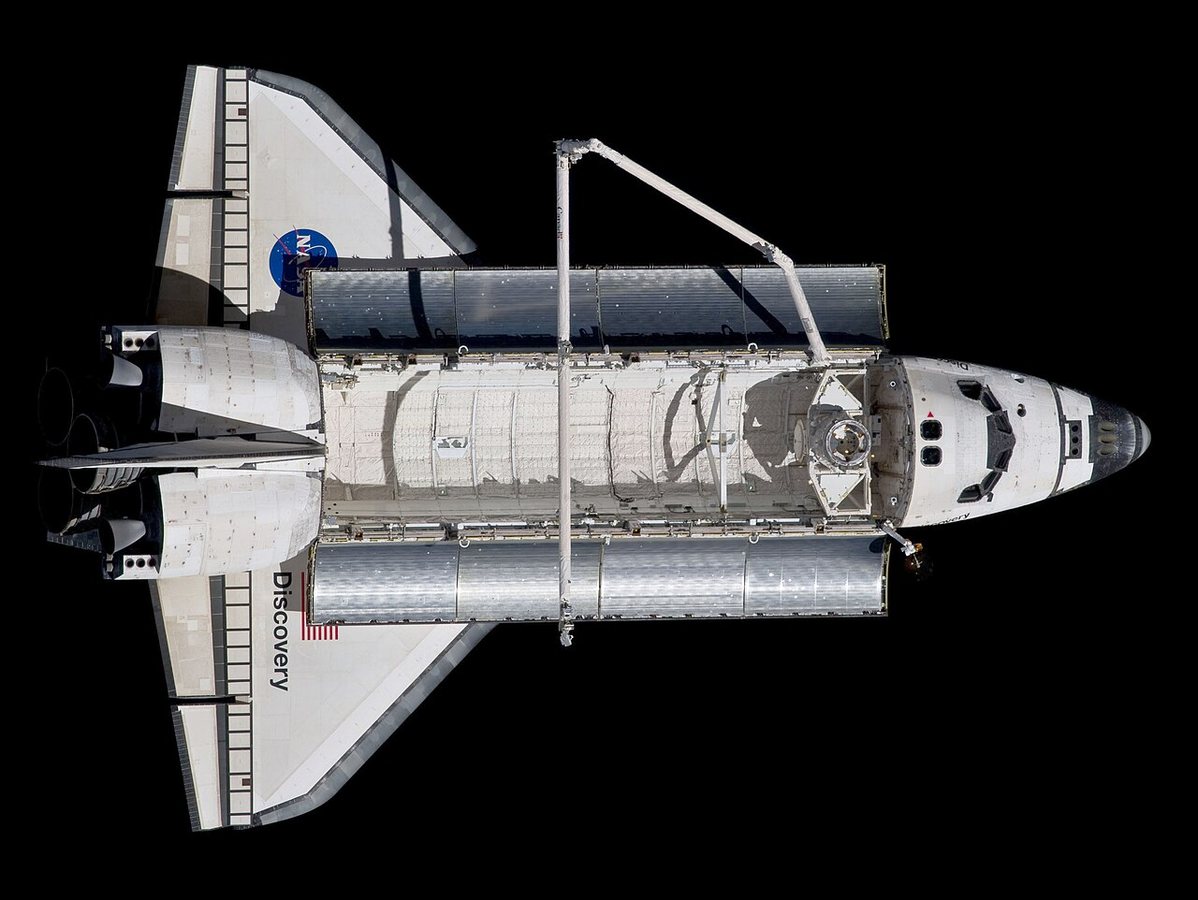
NASA launched the space shuttle Discovery under cover of darkness on November 22, 1989, on a mission designated STS-33. The flight was classified, and the agency disclosed very little about what it was meant to accomplish. The payload is widely believed to have been a Department of Defense satellite, but no official confirmation has ever been released.
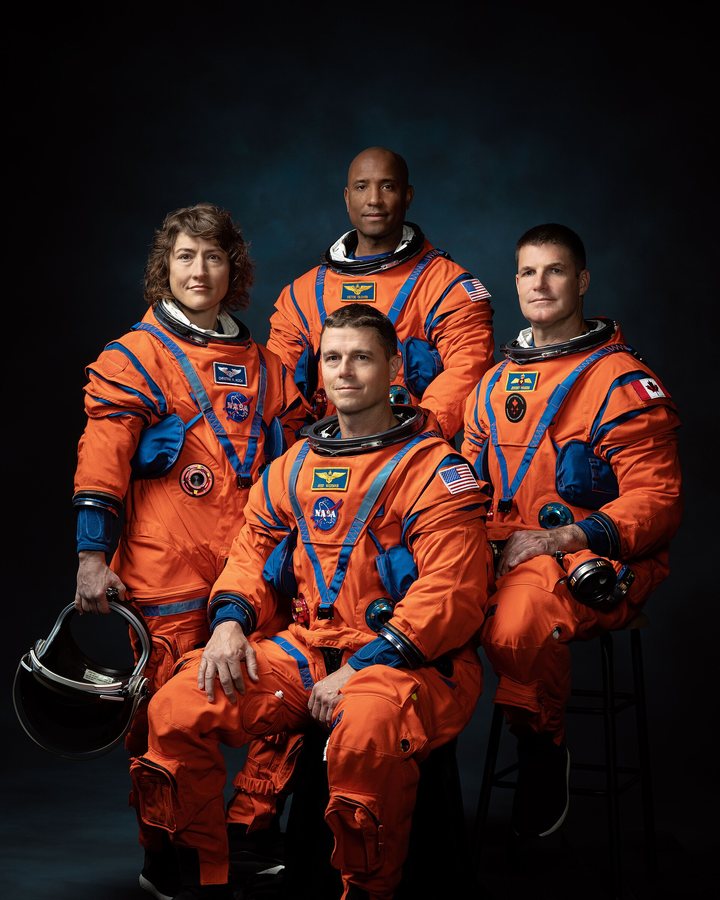
The crew of five was led by commander Frederick Gregory. After roughly five days in orbit, Discovery returned and touched down at Edwards Air Force Base in California, bringing the mission to a close without any public account of its objectives. Such a quiet return left the flight's purpose to outside interpretation.
That silence has fueled decades of speculation among space enthusiasts and observers about what the spacecraft carried and what it was designed to do. Because the exact payload and objectives remain officially undisclosed, the mission stands as one of the more unusual episodes in the shuttle program, remembered as much for its secrecy as for the flight itself.
The details come from a personal blog post rather than an official NASA record, so they reflect one writer's account of the mission. Still, the core facts, including the night launch, the crew, and the landing site, are consistent with the broader history of the shuttle program and with the limited public information available about STS-33.
Credit. Based on reporting for Custommapposter. Is this your work? Write to us.
10