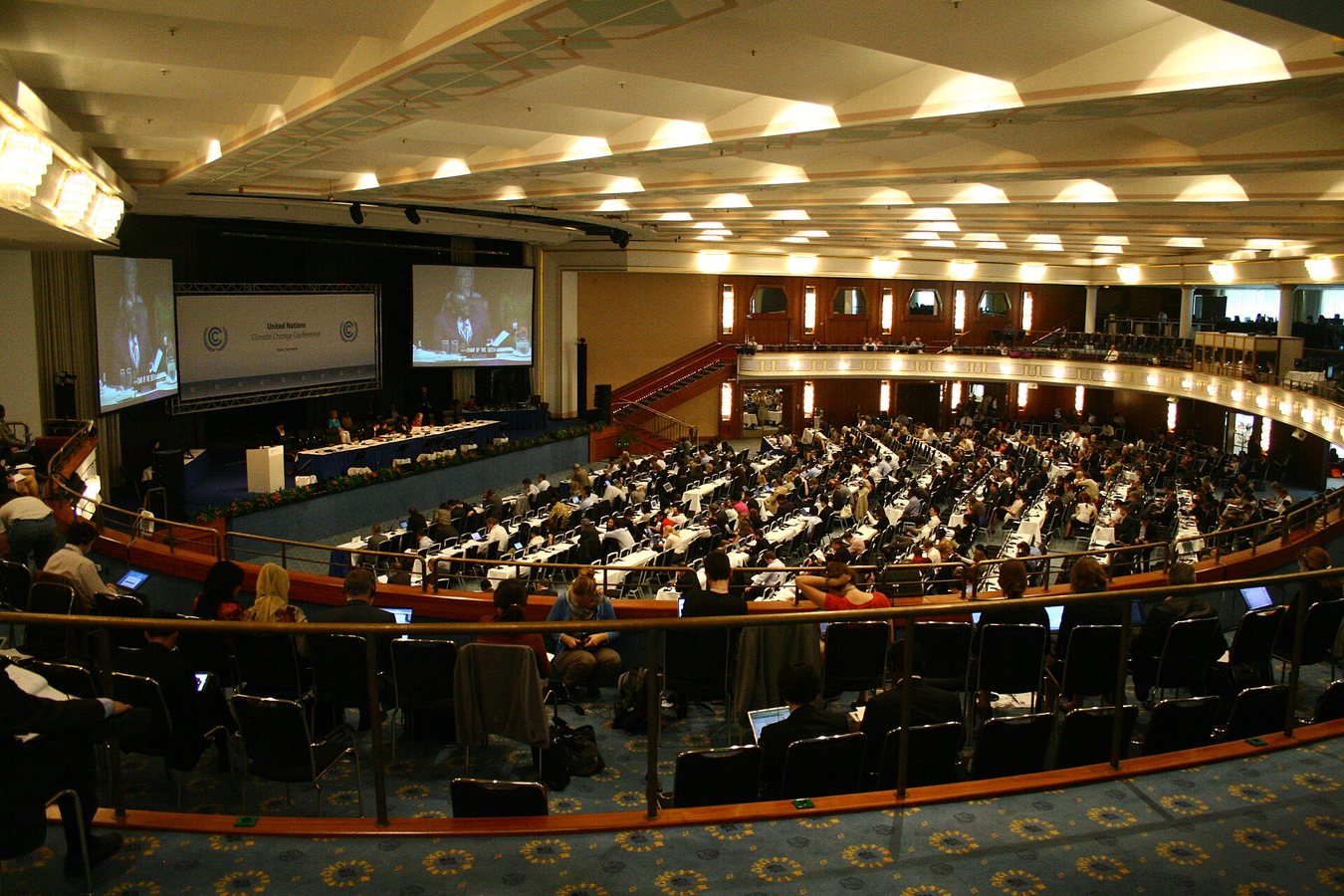
The COP31 climate summit in Turkey has formally ended without an agreement among the countries taking part. The outcome leaves the international community without a shared commitment at a moment when governments are under pressure to respond to rising global temperatures and their effects.
Climate summits of this kind bring together national delegations to negotiate common goals, such as cutting greenhouse gas emissions and supporting countries most exposed to climate impacts. Reaching consensus is difficult because countries often have very different economic priorities, energy systems and levels of responsibility for past emissions. A failure to agree means those disputes remain unresolved for now.
The short video report covering the conclusion of the talks did not provide details on what will happen next, including whether negotiations will resume, when another round might take place, or which issues will be carried forward. Without that information, it is not yet possible to say how the lack of a deal will affect upcoming climate policy decisions or the timetable for national emissions targets.
For readers following environmental policy, the key point is that the summit concluded with no joint outcome. Further developments, including any statements from participating governments or revised negotiation plans, will determine how the setback is interpreted in the coming months.
Credit. Based on reporting for BBC Science and Environment. Is this your work? Write to us.
14