Dry soil and stagnant high-pressure weather systems appear to reinforce one another, creating a feedback loop that intensifies extreme heat beyond what climate models currently predict. Researchers say the effect adds roughly 10 per cent more heat than would otherwise be expected, and that the loop is not fully represented in today's projections.
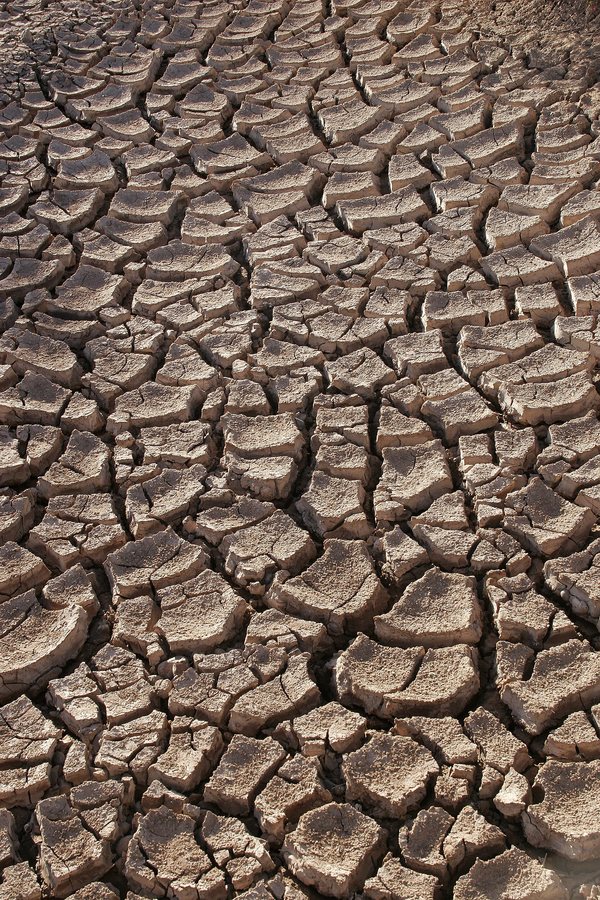
The findings come from a study led by Kai Kornhuber of the International Institute for Applied Systems Analysis in Austria, published in the journal Science Advances. The mechanism works as a cycle. When soil becomes dry, it helps sustain high-pressure systems in the atmosphere, and those systems in turn bring the clear skies and intense sunshine that further dry out the ground and push temperatures higher.
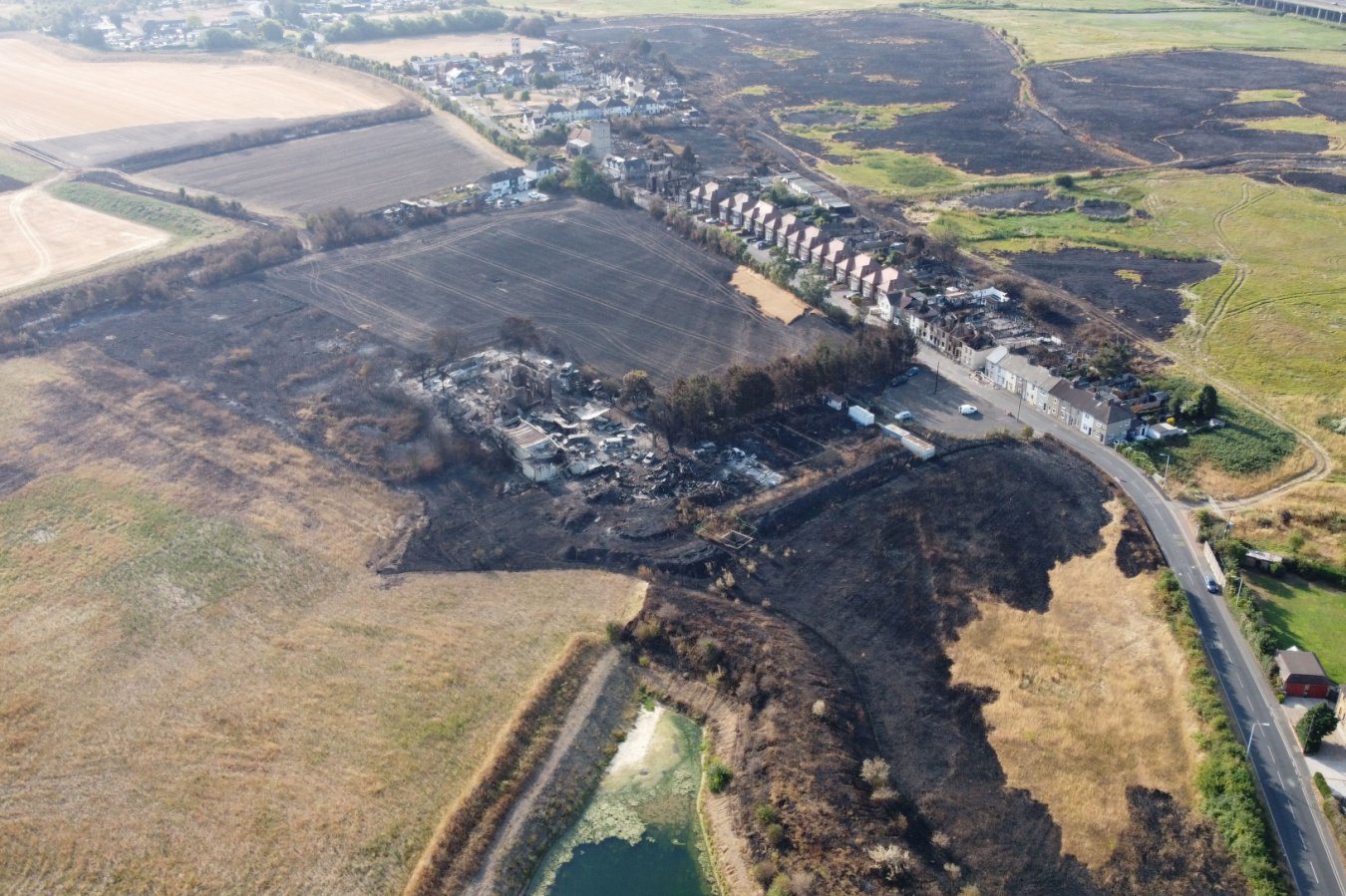
The researchers point to recent events that outran model expectations. In 2021, the Pacific Northwest of North America experienced extremes far beyond what models had projected. In 2022, the United Kingdom recorded its first temperature of 40°C, arriving earlier than forecasts had suggested. Independent researchers, including Coumou of the Free University of Amsterdam, have noted that current models reproduce this kind of soil-driven feedback poorly.
As global warming continues, the regions most exposed could include Europe, Russia, North America, parts of South America and Australia. The consequences of more intense heatwaves could reach well beyond temperature readings, with potential harm to human health, failures in transport and energy networks, losses for farmers and damage to ecosystems.
The team argues that climate models must incorporate the soil-circulation feedback to give a more accurate picture of future risk. It remains uncertain how strongly the loop will shape heatwaves in the years ahead, but the authors say accounting for it is essential for planning and adaptation.
Credit. Based on reporting by Madeleine Cuff for New Scientist. Is this your work? Write to us.
12