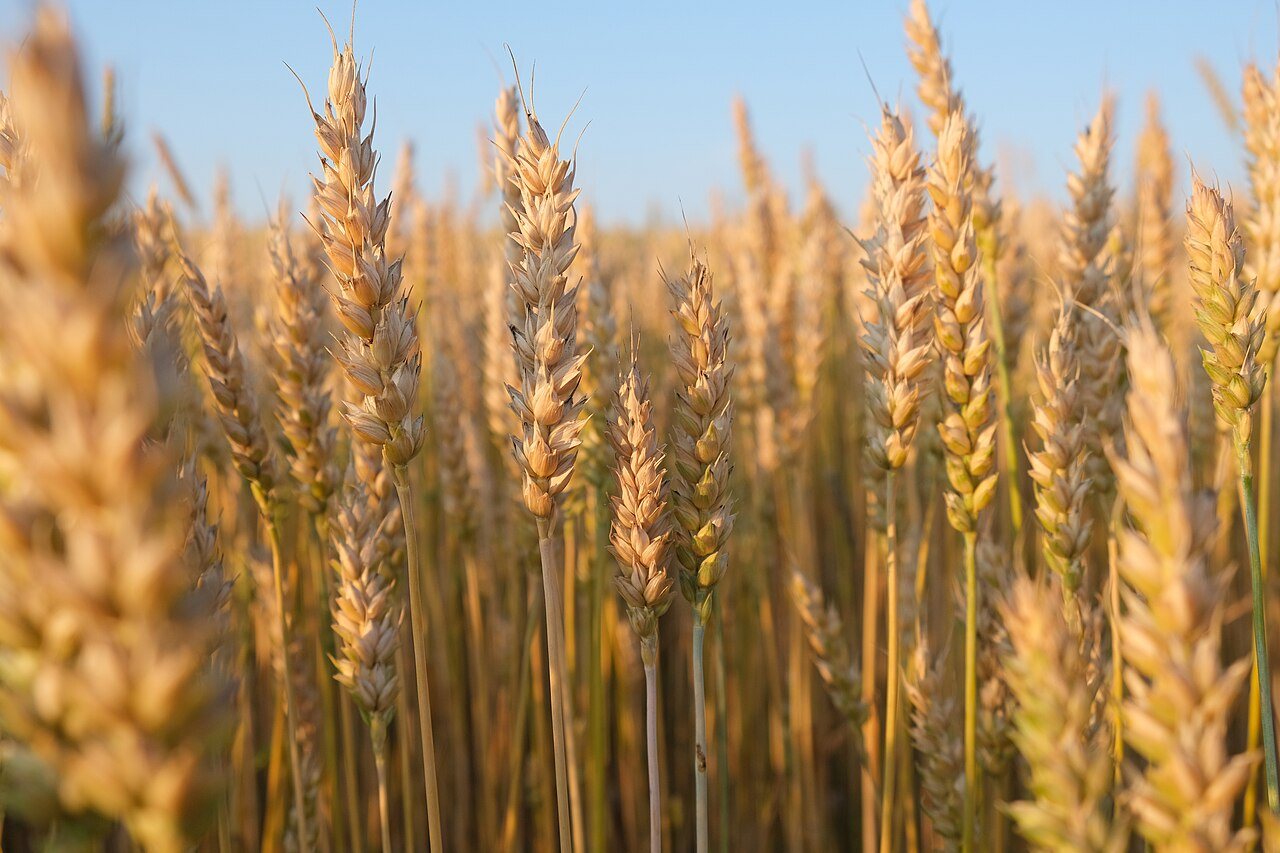
Henry Astor has returned to heritage wheat varieties on his Cotswolds farm, a move inspired by his grandfather’s era, that is helping to restore biodiversity. The harvest this year is the earliest he can remember, yet the scorched fields are alive with swarms of insects, kaleidoscopic wildflower meadows, and hedgerows several metres wide. A yellowhammer perches nearby, one of 19 red-listed bird species found on the farm. This year alone, Astor ringed 23 barn owls, three kestrels, two little owls, and goshawk chicks. “Last winter we had clouds of goldfinch, chaffinch and greenfinch,” he says.
Britain has lost 73 million birds since 1970, but at Bruern Farms a small but welcome reversal is taking shape. Astor’s approach involves cutting out the middleman and selling directly to bakeries and mills, which allows him to grow older, less productive wheat varieties that support more wildlife. These heritage grains, once common before modern agriculture prioritised high yields, provide a more diverse habitat for insects and birds. The farm’s wildflower meadows and wide hedgerows offer food and shelter, contributing to the resurgence of species that have declined sharply across the UK.
The decision to grow heritage wheat is part of a broader commitment to biodiversity. Astor’s methods contrast sharply with conventional farming, which often relies on monocultures and heavy inputs. By embracing older varieties, he is not only preserving agricultural heritage but also creating a more resilient ecosystem. The early harvest, while a sign of a changing climate, has not diminished the farm’s ecological richness. Instead, it highlights how traditional practices can be adapted to modern challenges.
Astor’s story is a practical example of how farmers can play a role in reversing wildlife declines. The presence of red-listed birds, including the yellowhammer, indicates a healthy environment, as these species are sensitive to habitat quality. The farm’s success has drawn attention from conservationists and agricultural experts, who see it as a model for sustainable farming. By selling directly to end users, Astor has found a way to make heritage wheat economically viable, proving that biodiversity and profitability are not mutually exclusive.
The broader implications are significant. With bird populations in steep decline across Britain, initiatives like Bruern Farms offer hope. Astor’s approach demonstrates that restoring biodiversity requires more than just setting aside land; it involves rethinking how we farm. Heritage wheat, with its deeper roots and taller stalks, supports a wider range of insects, which in turn feed birds and other wildlife. The farm’s hedgerows, left to grow wide, provide nesting sites and corridors for movement.
Astor’s work is part of a growing movement among farmers to adopt regenerative practices. While the challenges are considerable, the results at Bruern Farms show that change is possible. As he walks through his fields, the sounds of birds and insects are a testament to what can be achieved when agriculture works with nature rather than against it. For Astor, the heritage wheat is not just a crop; it is a link to the past and a foundation for a more sustainable future.
121