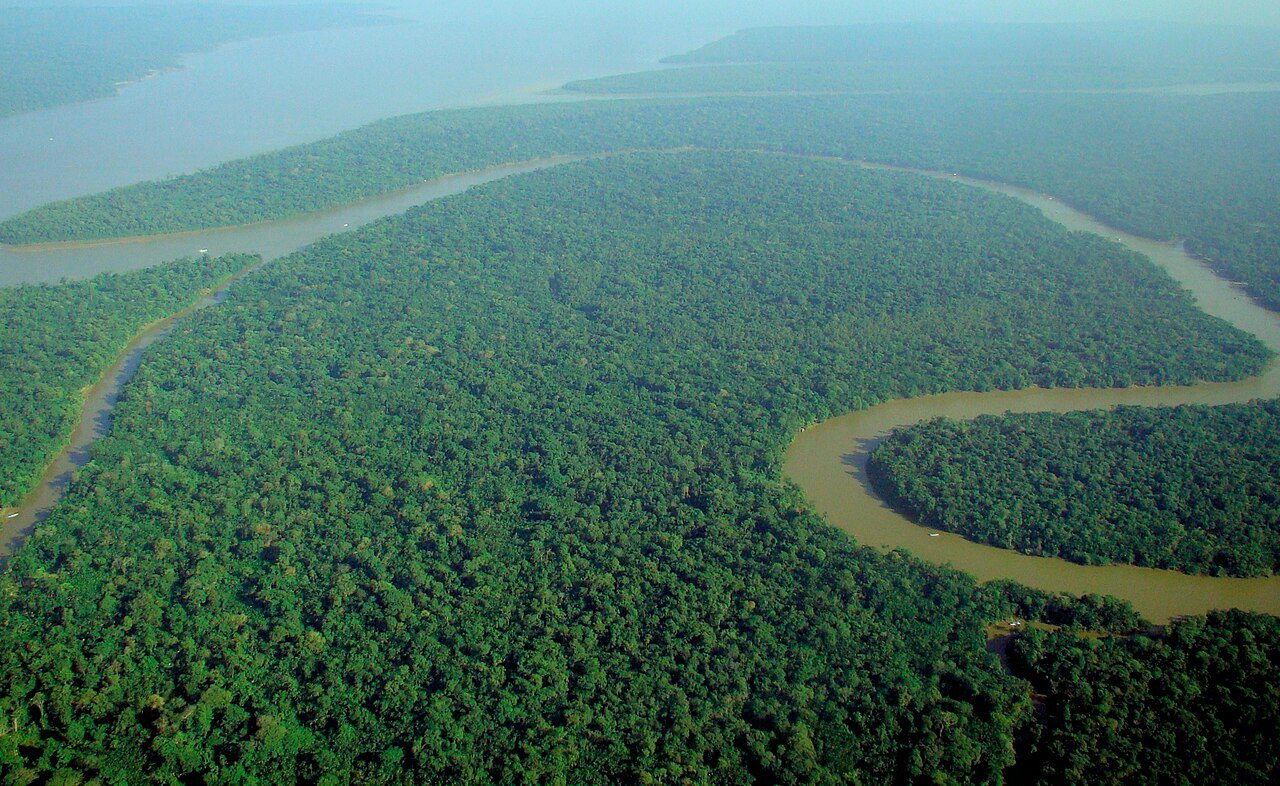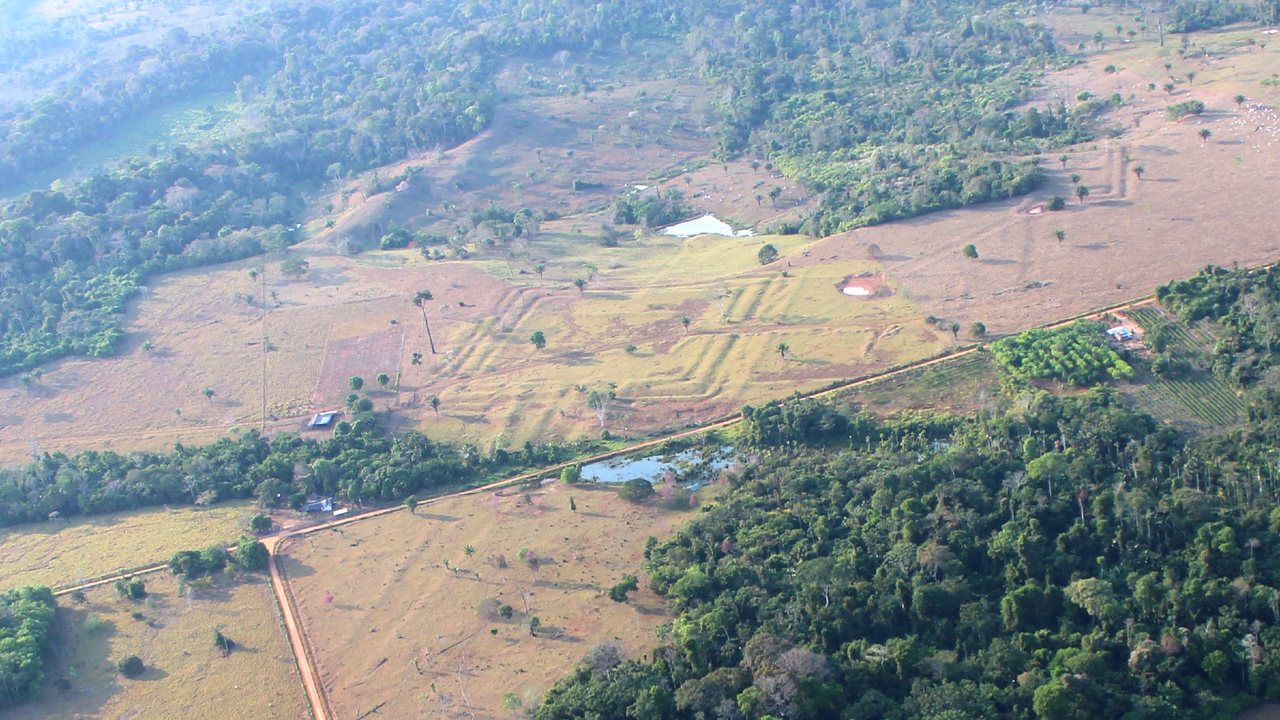
Hundreds of ancient geoglyphs, hidden for centuries beneath the dense canopy of the Amazon rainforest, have been brought to light through laser scanning, offering a striking new view of a mysterious civilization that inhabited the region thousands of years ago.
These monumental earth formations, which typically appear as geometric ditches, embankments, and raised lines, span large areas of the forest floor. Although the structures were built long ago, they have remained largely invisible due to the thick vegetation that blankets the Amazon. The application of Light Detection and Ranging, or LiDAR, allowed surveyors to map the terrain under the trees by firing laser pulses toward the ground and measuring the reflected signals, effectively peeling back the forest digitally.
The newly identified geoglyphs, numbering in the hundreds, underline the scale of this discovery. It also deepens the mystery around the people who created these earthworks. Researchers have long debated who these builders were, what their society looked like, and why they shaped the land in such a deliberate way.
The Amazon has often been described as a pristine wilderness, but a growing body of evidence tells a different story. Across the region, archaeologists have identified traces of ancient earthworks, fertile dark soils, and other signs of human management, indicating that complex societies lived there far earlier than previously believed. The newly revealed geoglyphs fit into that broader picture, showing that the forest has been shaped by human activity for millennia.
The function of these geoglyphs is not yet fully understood. In various parts of South America, similar structures are thought to have served as ceremonial sites, places for gatherings, or territorial markers. Some may have played a role in water management or in marking routes across the landscape. Without deeper excavation and analysis, the exact meaning of the Amazonian earthworks is likely to remain uncertain for some time.
These discoveries carry archaeological weight because they expand the known extent of pre-literate societies in the Amazon basin. The sheer number of the geoglyphs points to a population that was not only present but also capable of organizing large-scale construction projects, moving soil across extensive areas. This runs against older clichés of the Amazon as a region that could not support large, structured communities before the arrival of European colonizers.
There is also a modern urgency to the research. As deforestation and land-use change accelerate in the Amazon, archaeological evidence buried under the forest may be lost before it can be documented. Laser-based surveys have proven to be a rapid and non-invasive way to identify sites of interest, allowing researchers to prioritize areas for protection and further study.
The latest findings underscore how much remains to be learned about the human past in the tropics. The term «mysterious civilization» reflects the fact that no direct historical records exist for these ancient builders, making every new site an important piece of a larger puzzle. With further surveys, specialists hope to establish who these people were, how their settlements were organized, and how they lived in harmony with — and transformed — the rainforest around them.