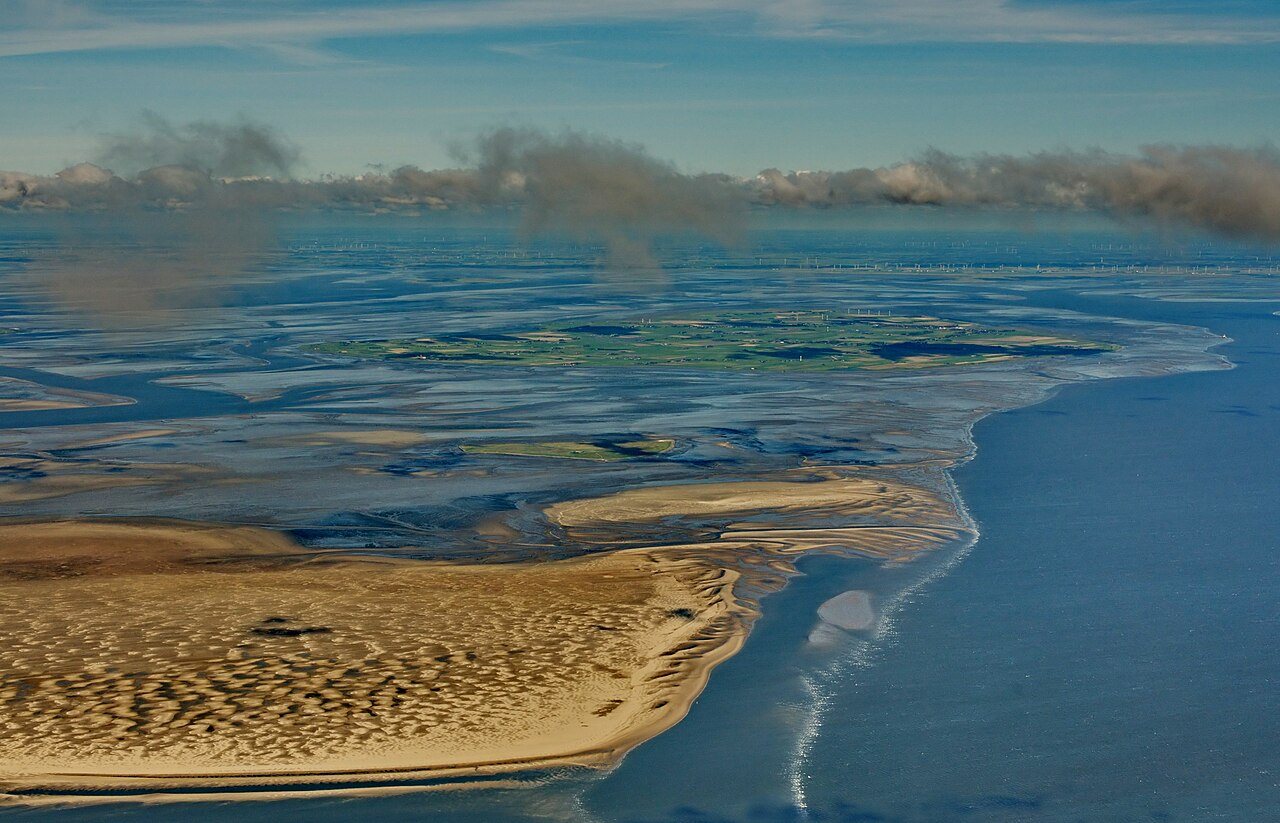
The Wadden Sea, a stretch of coastline shared by the Netherlands, Germany and Denmark, is the largest unbroken system of intertidal sand and mud flats in the world. Its status as a natural treasure may not be enough to protect it, and the site could soon be added to UNESCO's list of world heritage sites in danger.
The habitat shifts constantly with the tides, alternating between open water and exposed flats that stretch across the coastline. That rhythm supports rich marine life and large populations of birds, which depend on the shallows and mudflats for feeding and rest. UNESCO granted the Wadden Sea world heritage status in 2009, recognizing its ecological importance on a global scale.
The pressures on the area come mainly from extraction industries, tourism and fishing, all of which have been cited as threats to the region's delicate balance. The question now is whether those pressures have grown to the point where UNESCO must formally flag the site as endangered.
The reporting raises that question but does not provide specific figures on declines in wildlife or on the current danger status of the site. Readers looking for those details will need to follow the developments as the sea's management and UNESCO's assessment unfold.
Credit. Based on reporting for The Guardian. Is this your work? Write to us.
23