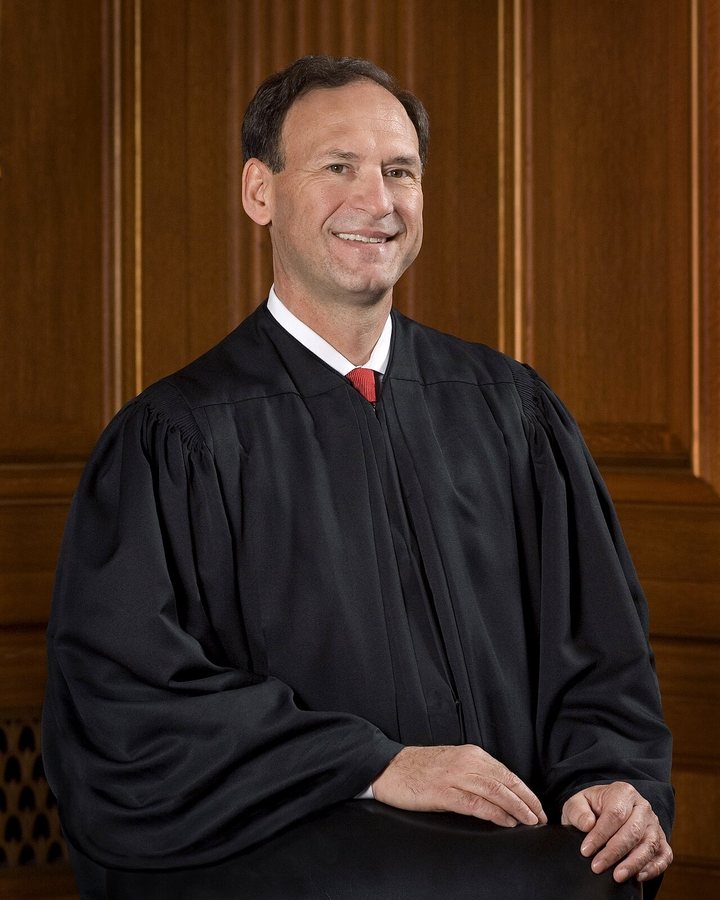
Supreme Court Justice Samuel Alito recused himself from a major climate-change case, stepping away from a dispute over whether fossil fuel companies deceived the American public after facing calls to withdraw because of his stock holdings in oil companies. The decision was announced in a letter posted in the case, which did not state a reason, though the conservative justice has previously removed himself from other matters involving companies in which he holds stock.
The recusal comes as the court prepares to hear arguments in a case that could shape how courts treat claims that fossil fuel firms misled the public about the risks of climate change. The dispute sits at the intersection of science, law and public accountability, raising questions about what energy companies knew about the effects of their products and what they told investors, consumers and policymakers.
Alito's withdrawal is notable because it reduces the number of justices available to hear the case, and it follows sustained public pressure over his financial ties to the oil industry. The letter entered into the case record did not explain the reasoning, but the pattern is familiar: the justice has recused himself in the past when a party before the court involved a company whose stock he owned.
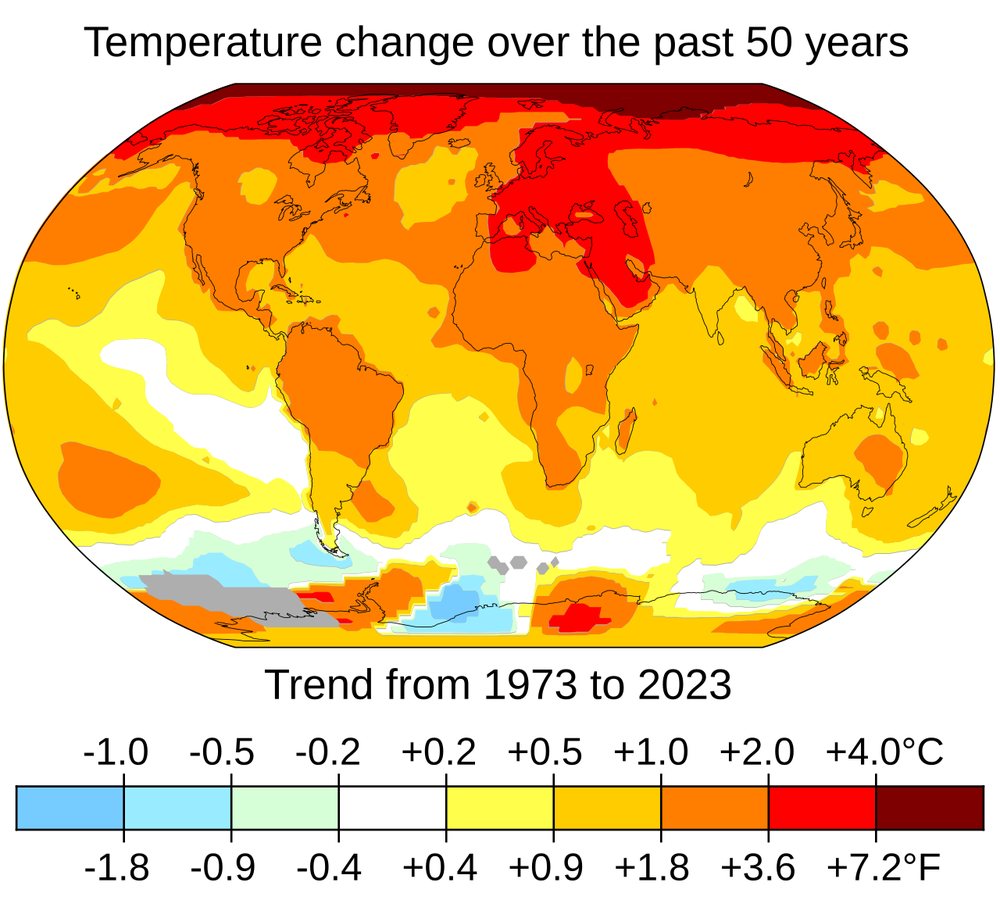
The case itself centers on whether fossil fuel companies can be held accountable for deceiving the public about climate science. That question has become a central front in the broader legal and political battle over climate change, with states, municipalities and advocacy groups pursuing claims against major energy producers. The scientific consensus that burning fossil fuels drives global warming is well established, and the legal fight now turns on what companies communicated about that evidence.
For the court, the recusal changes the arithmetic of a closely watched dispute. A smaller bench can complicate the path to a majority opinion, and it may elevate the influence of the remaining justices. The case is being heard at a time when public trust in institutions, including the courts and the energy industry, is under strain, and the outcome could affect how similar claims proceed across the country.
The scrutiny that preceded Alito's decision reflects a wider debate about conflicts of interest in the judiciary. Calls for justices to step aside from cases involving their personal financial holdings have grown louder in recent years, and the climate case has drawn particular attention because of the oil industry's central role. The letter did not address those calls directly, but the recusal effectively answers them.
What remains is the substance of the case: whether fossil fuel firms deceived the public, and what consequences follow. The court's eventual ruling could influence not only this dispute but also the broader landscape of climate litigation. For now, the case proceeds without Alito, leaving the remaining justices to weigh a question that links scientific evidence, corporate conduct and the public's right to accurate information about the risks of a warming planet.
20