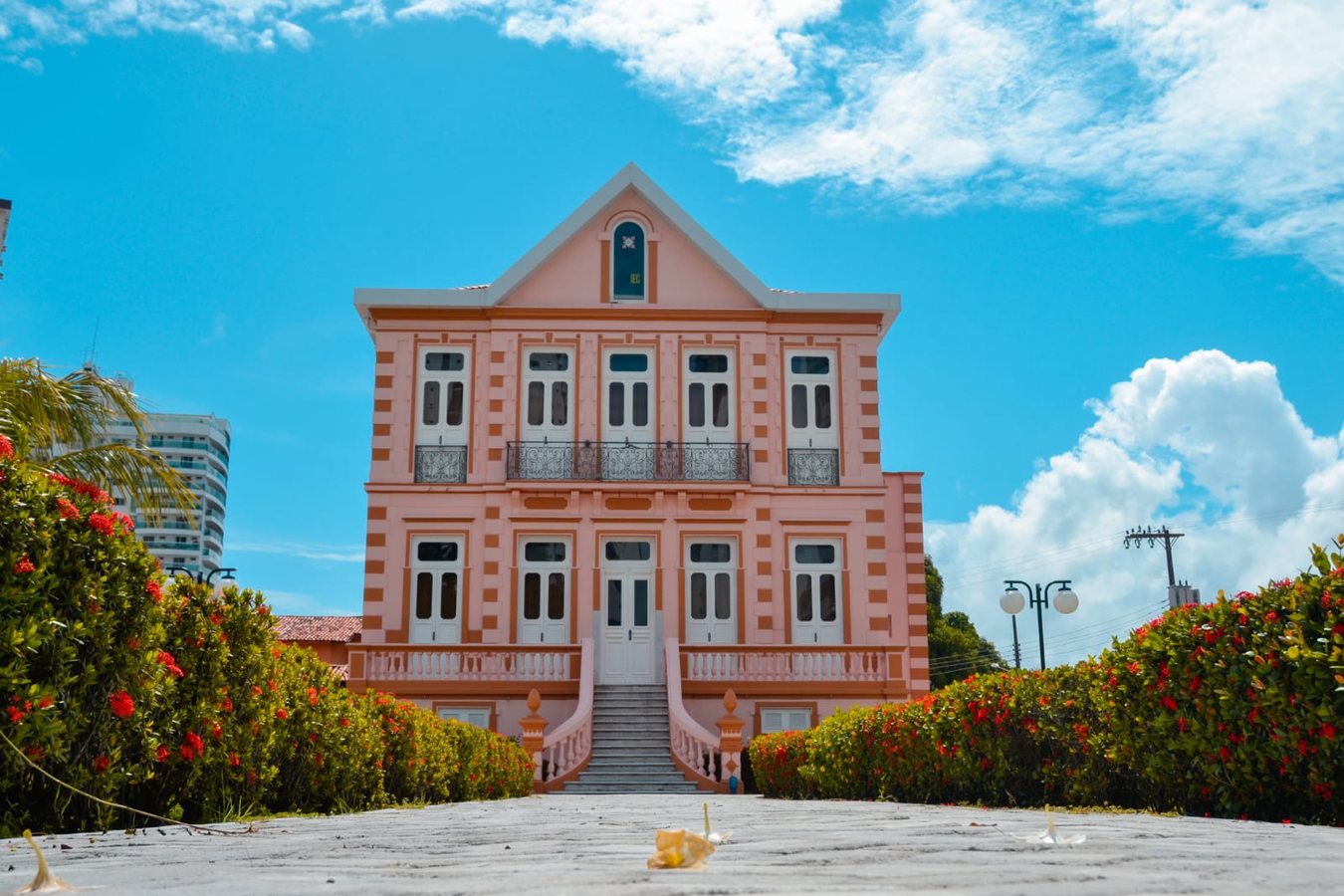
Brazil's Instituto Evandro Chagas is marking its 90th anniversary in Belém with a two-day scientific congress that opens Wednesday. The event celebrates the institution's history and its contributions to public health, and brings together researchers to present work on the health challenges facing the Amazon region and the country as a whole.
The program includes 79 health research papers from Brazil and from abroad. Round tables are scheduled to address epidemics, genomics, artificial intelligence and climate change, reflecting how the institute's research agenda has widened in recent years beyond traditional infectious disease work.
Among the topics on the agenda are the spread of the Oropouche virus and strategies for controlling dengue. Sessions will also examine exposure to mercury and pesticides, water quality, antimicrobial resistance, respiratory viruses and viral hepatitis, all of which carry direct consequences for communities in northern Brazil.
The institute is a federal science body linked to the surveillance secretariat of the Ministry of Health. It has operated since 1936 with a focus on the Amazon, and it is led by director Lívia Carício Martins. The anniversary congress serves as both a retrospective on nearly nine decades of work and a forum for the research that will guide its next phase.
Credit. Based on reporting by Bruna Diniz for A Província do Pará. Is this your work? Write to us.
39