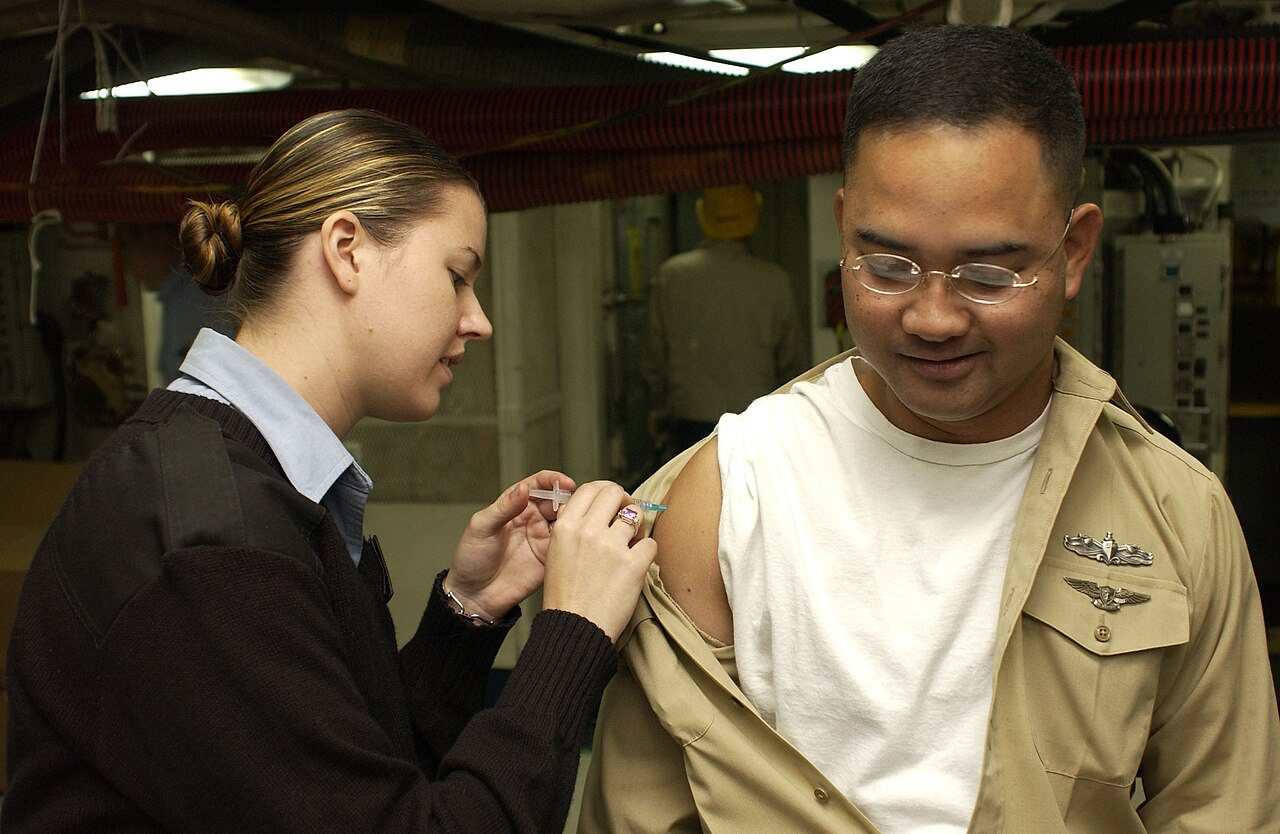
Vaccines and monoclonal antibody injections against respiratory syncytial virus, known as RSV, are cutting the number of hospitalizations caused by the infection, according to reporting from Nature published on 12 November 2026. The findings add to growing evidence that the shots can meaningfully reduce the burden of a virus that is a leading cause of severe respiratory illness in infants and older adults.
RSV spreads easily and can lead to bronchiolitis and pneumonia, sending many people to hospital each winter. Monoclonal antibody products give infants direct protection against the virus, while vaccines prepare the immune system of older adults and pregnant people to respond to it. Reporting on the latest data highlights the scale of the drop in hospital admissions linked to these interventions, though the excerpt available for this story does not include the exact infection figures.
A separate study, reported by ScienceDaily the same day, adds a different dimension to the picture. Its researchers worked with mice rather than people and found that viral infections may cause lasting changes to the spleen and weaken immune responses. In those animals, prior vaccination fully prevented these changes. Whether the same effects occur in humans has not been confirmed, and the mouse results should be read as early evidence rather than a settled conclusion.
Taken together, the two lines of research strengthen the case for preventive measures against RSV. The hospitalization data speak to immediate public health benefits, while the mouse study raises questions about the longer-term effects of infection that further human research will need to address.
Credit. Based on reporting by Liam Drew for Nature. Is this your work? Write to us.
49