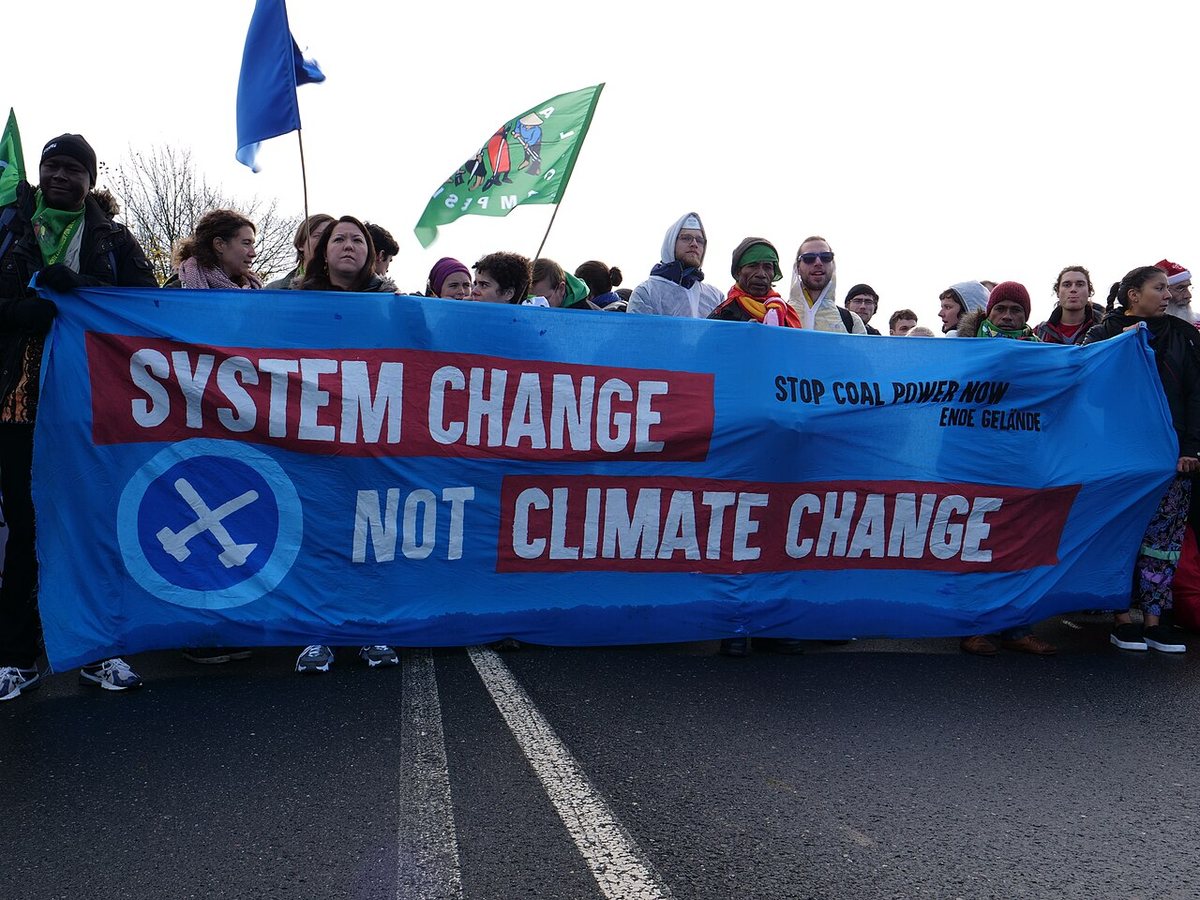
The terrifying sense that a new technology is growing exponentially beyond human control is not unique to artificial intelligence. It has shaped public debate over climate change and the Covid-19 pandemic as well, and those earlier episodes offer a cautionary record for how A.I. doom scenarios are judged, according to a new analysis published in The New York Times Magazine.
The central question is whether the feeling of runaway exponential growth is a reliable guide to the future or a recurring cognitive trap. Climate models, pandemic projections, and A.I. capability forecasts all rely on the same underlying math: small changes compounding rapidly until they produce outcomes that feel impossible to stop. That math is real, but the analysis suggests the emotional response it triggers can outrun the evidence.
In the case of climate change, decades of warnings about rising temperatures, melting ice, and extreme weather have been broadly validated by observation, even as specific predictions about timing and severity have been revised. The Covid-19 pandemic produced a different pattern. Early models of infection spread and mortality varied widely, and some of the most alarming projections did not materialize, while others underestimated the toll. The result was a public that learned to distrust expert forecasts even when the underlying science was sound.
A.I. risk debates now follow a similar arc. Researchers and commentators warn of systems that could rapidly exceed human control, citing exponential improvements in computing power and model capability. Critics counter that such warnings often rely on extrapolation rather than demonstrated behavior, and that the history of technology is full of predictions that failed to arrive on schedule.
The analysis does not dismiss the possibility of serious A.I. harm. Instead, it argues that the climate and Covid experiences show how difficult it is to distinguish a genuine exponential threat from a frightening but manageable trend. In both earlier cases, the most useful responses came not from accepting or rejecting the most extreme scenario, but from building institutions that could adapt as evidence accumulated.
That lesson may be the most relevant one for A.I. policy. Governments, research labs, and international bodies are already trying to design oversight for systems whose capabilities are changing faster than regulations can be written. The climate and pandemic records suggest that early warning is valuable, but that overconfidence in any single forecast, whether optimistic or apocalyptic, tends to undermine public trust.
The article also notes that the feeling of exponential growth is itself a product of human psychology. People are wired to notice rapid change and to imagine it continuing indefinitely, which makes doom scenarios compelling. But the same instinct can lead to fatalism, where the perceived inevitability of a catastrophe discourages the incremental work that actually reduces risk.
For A.I., that means the debate should focus less on whether doom is certain and more on which specific harms are plausible, how quickly they could emerge, and what interventions would help. The climate and Covid experiences suggest that the answer will not come from a single prediction, but from a sustained process of observation, revision, and institutional learning.
17