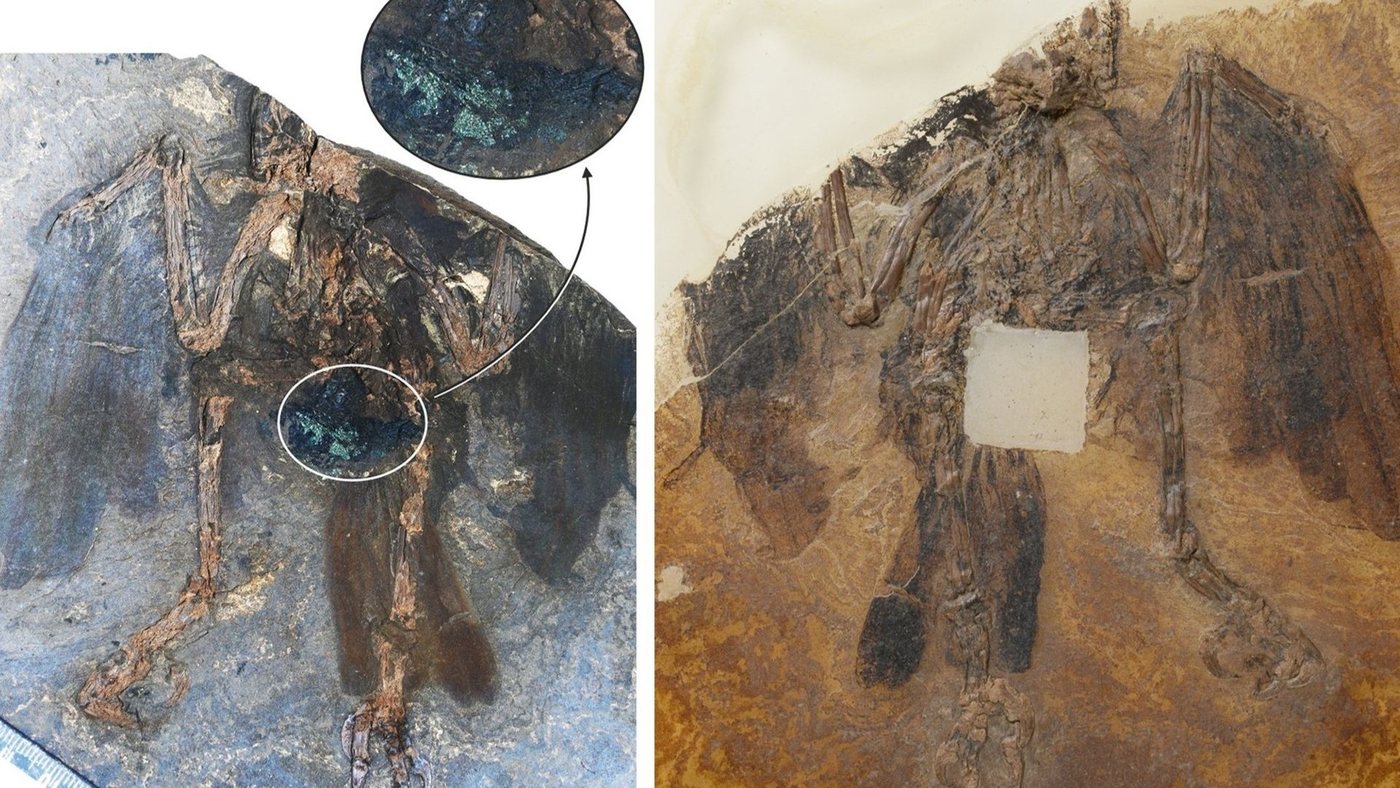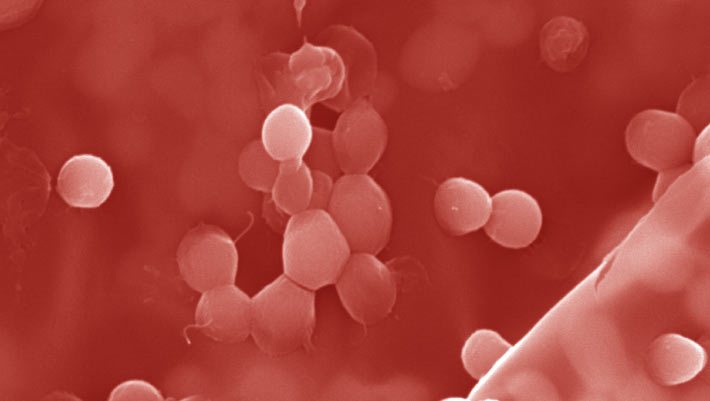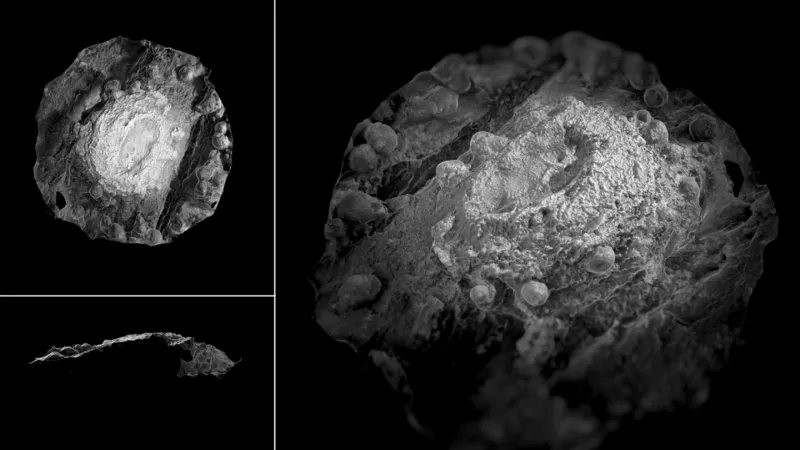
Scientists may have found the strongest sign yet that blood can survive for more than 100 million years. Imaging and chemical analysis of a 115-million-year-old dinosaur fossil point to the presence of preserved blood cells, according to the research described by Science News.
If the interpretation holds, it would mean that molecules associated with blood can persist in the fossil record far longer than many researchers had assumed. That matters because the chemistry of living tissue usually breaks down quickly after death, so evidence of intact cellular material is rare and hard to confirm. Discoveries of this kind also raise the prospect of learning more about how dinosaurs functioned, including aspects of their physiology that are otherwise invisible in bone alone.
Not all researchers are persuaded. Some remain skeptical that the signals reflect original blood cells rather than other material or later contamination, and the claim will likely need further testing and independent confirmation before it is widely accepted. Even so, the work adds to a growing body of evidence that fossils can preserve more biological information than once thought.
The broader implications extend beyond dinosaurs. Understanding how blood-related molecules survive over geological time could help researchers refine the methods they use to look for signs of ancient life, including the search for evidence of past life beyond Earth.
Credit. Based on reporting by Carolyn Gramling for Science News. Is this your work? Write to us.
34