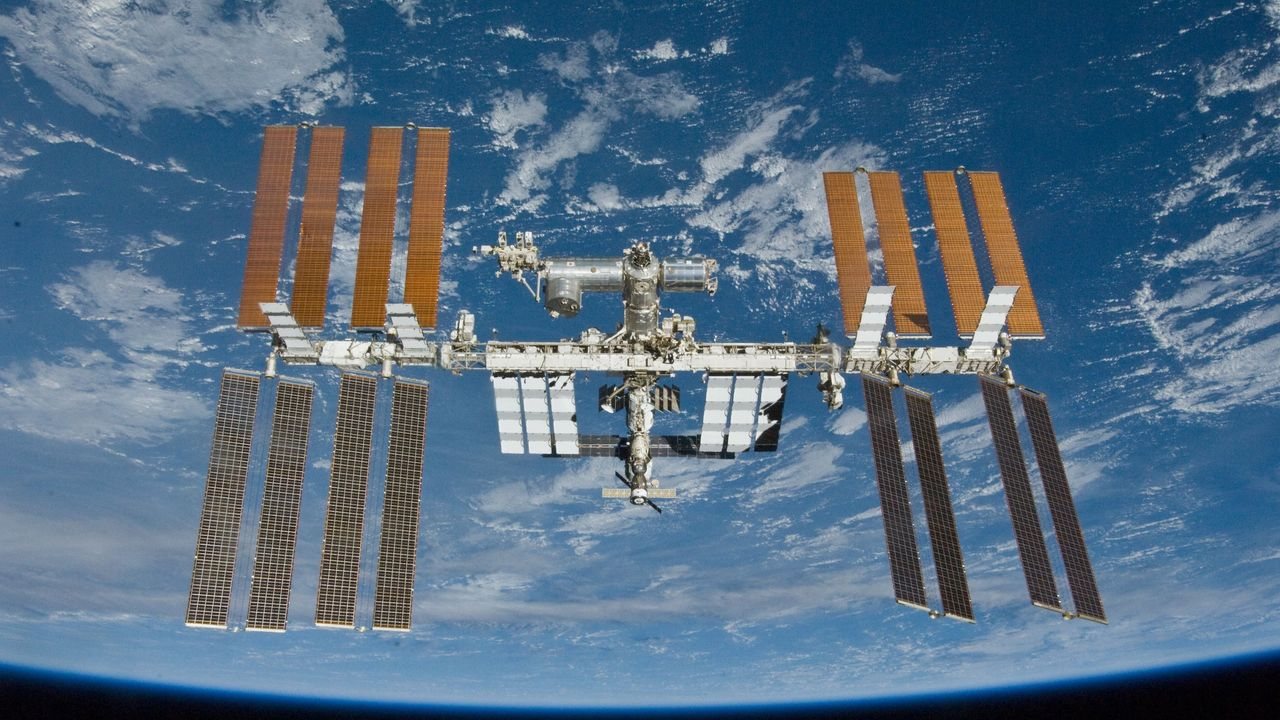
For the first time, researchers have successfully bioprinted human kidney and liver tissue in the microgravity environment of the International Space Station, a milestone that could transform how astronauts manage medical emergencies on future deep-space missions and advance regenerative medicine on Earth.
The experiment, conducted aboard the ISS, used a specially designed bioprinter to fabricate small samples of renal and hepatic tissue. The project was led by a team of scientists from multiple institutions, including the University of Texas at Austin and the University of California, San Francisco, in collaboration with the space biotech company Techshot (now part of Redwire). The bioprinter, known as the BioFabrication Facility, was installed on the station in 2019 and has undergone a series of tests to refine printing techniques in microgravity.
Printing complex tissues in space offers a distinct advantage over Earth-based methods. In normal gravity, delicate biological structures often collapse under their own weight before they can solidify. Microgravity allows cells to remain suspended and self-assemble into three-dimensional shapes that more closely mimic natural tissue architecture. The newly printed kidney and liver tissues demonstrated improved structural integrity and cell viability compared to ground-based controls, according to the research team.
The implications for long-duration spaceflight are significant. On missions to the Moon or Mars, astronauts could face medical emergencies requiring organ repair or replacement. Carrying a full supply of donor organs is impractical due to mass and storage constraints. Bioprinting tissues on demand from a patient's own cells could provide a solution, reducing the risk of rejection and eliminating the need for large medical inventories.
Beyond space exploration, the technology holds promise for terrestrial medicine. The ability to print functional human tissues could accelerate drug testing, reduce reliance on animal models, and eventually lead to the production of transplantable organs. The kidney and liver are particularly important targets because they are among the most commonly transplanted organs and are in chronic short supply worldwide.
The research team emphasized that the current achievement is a proof of concept rather than a finished product. The printed tissues are small and not yet fully functional for transplantation. However, the successful demonstration of bioprinting in microgravity opens the door to more advanced experiments, including the printing of vascularized tissues that could integrate with a patient's circulatory system.
Redwire, the company that operates the BioFabrication Facility, has announced plans for follow-up missions that will attempt to print larger and more complex tissue samples. The company is also working on a second-generation bioprinter capable of handling a wider range of cell types and biomaterials. NASA has expressed interest in the technology as part of its broader effort to develop autonomous medical capabilities for deep-space exploration.
The experiment builds on earlier work that successfully printed cardiac tissue and meniscus structures in space. Each successive test has refined the printing parameters and improved the survival rate of printed cells. The kidney and liver tissues represent a step forward because these organs have more complex internal structures, including filtration units and metabolic zones, that are difficult to replicate.
Scientists involved in the project noted that the microgravity environment also provides a unique platform for studying tissue development and disease. Without the constant pull of gravity, cells behave differently, potentially revealing new insights into how tissues form and how diseases like fibrosis or cancer progress. These observations could lead to new therapeutic approaches that are not possible in Earth-based laboratories.
The successful bioprinting of kidney and liver tissue in orbit marks a convergence of space exploration and biomedical engineering. As humanity prepares to venture farther from Earth, the ability to manufacture biological spare parts on site may become as critical as life support systems. For now, the tiny printed tissues represent a giant leap toward that future.
118