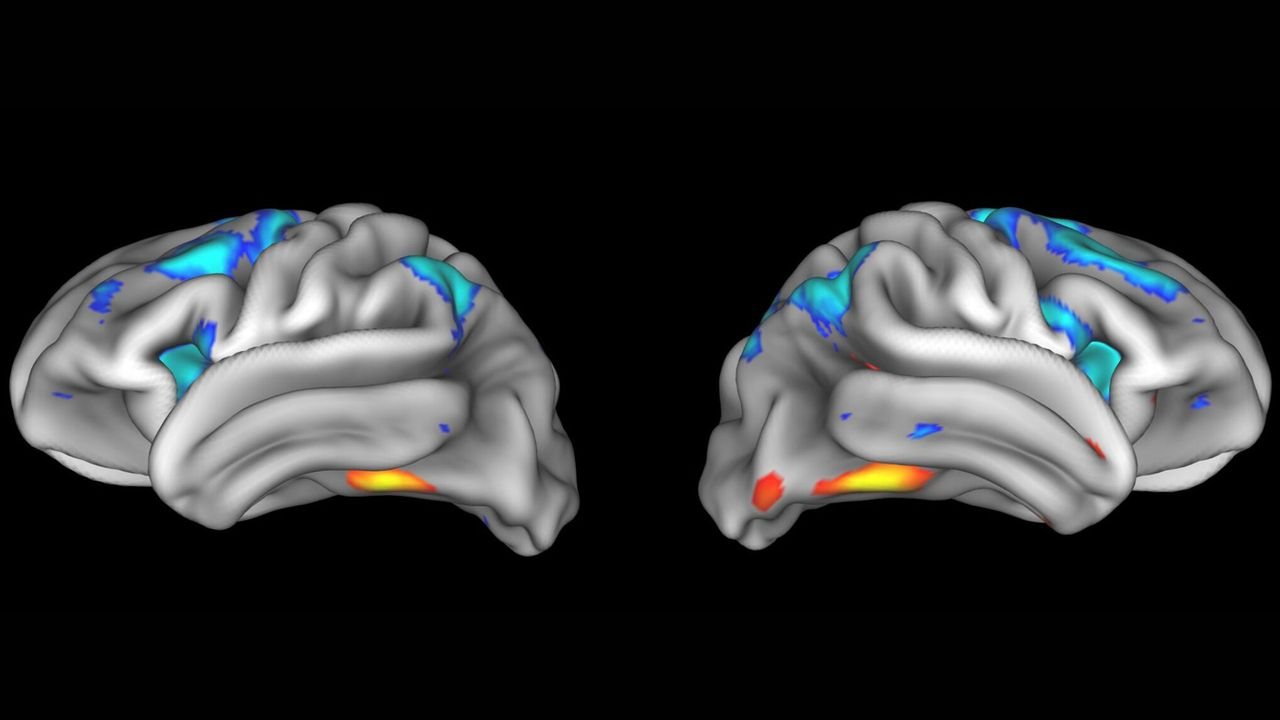
A growing body of evidence suggests that a significant portion of neuroscience research findings may not be as reliable as previously thought. A recent large-scale analysis has found that many studies in the field fail to replicate, meaning that when other researchers attempt to repeat the experiments, they do not obtain the same results. This reproducibility crisis poses a fundamental challenge to what scientists believe they know about the brain and its functions.
The analysis, which examined dozens of neuroscience experiments, discovered that only a minority of findings could be successfully reproduced under controlled conditions. This pattern is not unique to neuroscience; similar replication problems have been documented in psychology, cancer biology, and other scientific disciplines. However, the implications for neuroscience are particularly profound because the field underpins treatments for mental health disorders, neurological diseases, and brain injuries.
Researchers involved in the replication project followed strict protocols to ensure that their attempts were as faithful as possible to the original studies. They used the same methods, statistical analyses, and experimental designs. Despite these careful efforts, the majority of original results did not hold up. The findings suggest that many published claims about how the brain works may be overstated, based on small sample sizes, or influenced by subtle biases in data analysis.
The problem is compounded by the way scientific incentives are structured. Academic researchers are often rewarded for producing novel, positive results that are more likely to be published in high-profile journals. Negative results or replication studies are less likely to be accepted for publication, creating a system that discourages the verification of existing findings. This publication bias can lead to a literature that appears more robust than it actually is.
Experts in the field have called for systemic changes to address the replication crisis. Proposed solutions include pre-registering study designs before experiments are conducted, increasing sample sizes, sharing data and analysis code openly, and rewarding replication efforts as legitimate scientific contributions. Some journals have already begun to adopt these practices, but widespread adoption remains slow.
The consequences of irreproducible research extend beyond academic debate. Clinical treatments and public health recommendations are often based on neuroscience findings. If the underlying studies are not reliable, there is a risk that patients may receive ineffective or even harmful interventions. For example, claims about the effectiveness of certain brain-training programs or therapies for depression may be built on shaky scientific ground.
Despite the sobering results, many researchers remain optimistic that the field can improve. The replication crisis has prompted a broader conversation about scientific rigor and transparency. Funding agencies and universities are beginning to emphasize reproducibility as a key criterion for evaluating research quality. Educational programs are also teaching young scientists about the importance of robust experimental design and statistical literacy.
In the meantime, the analysis serves as a cautionary tale for anyone who reads about neuroscience in the news. Headlines about brain scans revealing the neural basis of love, decision-making, or consciousness should be interpreted with healthy skepticism until the findings have been independently replicated. The path to a more reliable understanding of the brain will require not only better experiments but also a cultural shift in how science is practiced and communicated.
The replication effort itself is a valuable contribution to the scientific process. By identifying which findings are robust and which are not, researchers can focus their attention on the most promising lines of inquiry. In the long run, this self-correcting mechanism is what makes science a reliable method for understanding the natural world, even when the process is messy and uncomfortable.
136