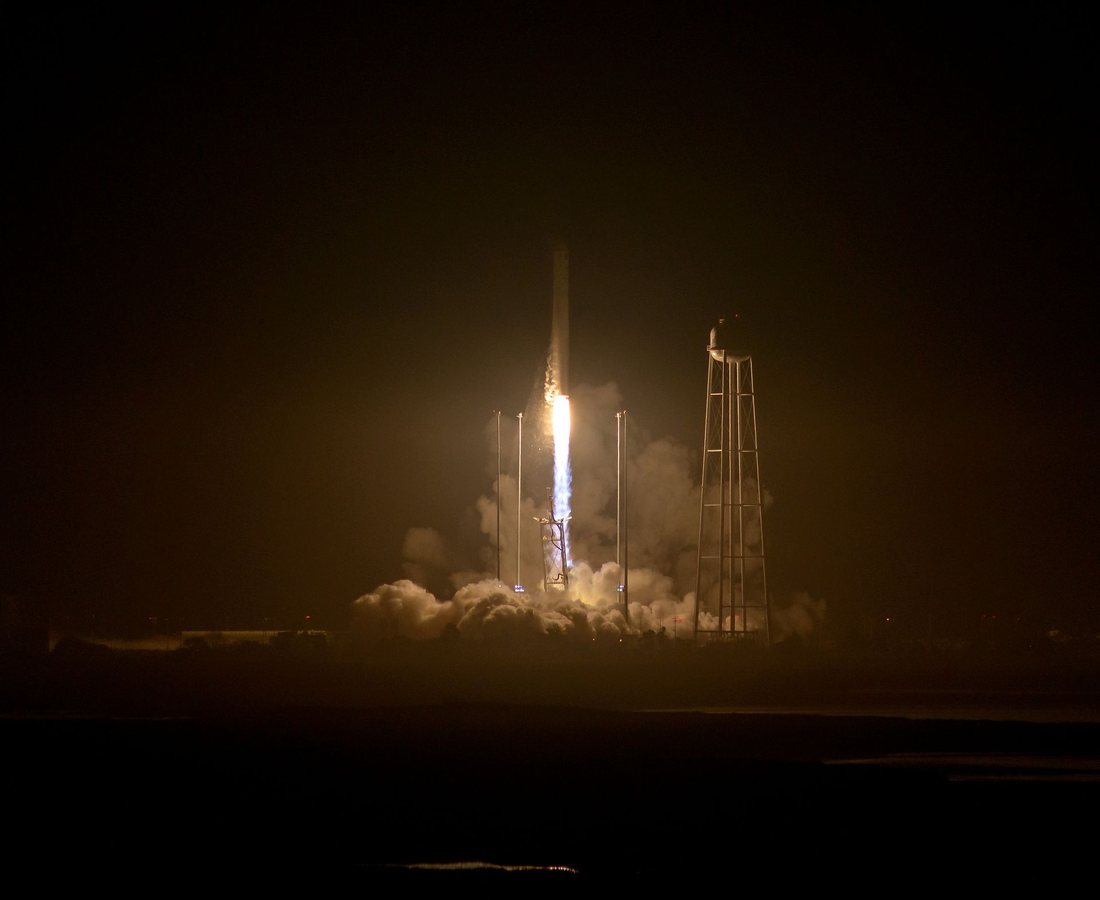
Orbital ATK's Antares rocket returned to flight on Oct. 17, 2016, lifting off from the Mid-Atlantic Regional Spaceport at NASA's Wallops Flight Facility in Virginia, nearly two years after a catastrophic launch explosion destroyed a previous rocket and severely damaged the launch pad. The mission marked the first Antares flight since the October 2014 failure and restored a key U.S. commercial cargo route to the International Space Station.
The 2014 explosion occurred seconds after liftoff when one of the rocket's two AJ26 main engines failed. The rocket fell back onto the pad and exploded, destroying the Cygnus cargo spacecraft it carried and causing extensive damage to launch infrastructure. No one was injured, but the failure grounded the Antares fleet and forced Orbital ATK to rely on other launch vehicles for station resupply missions while it investigated and redesigned the propulsion system.
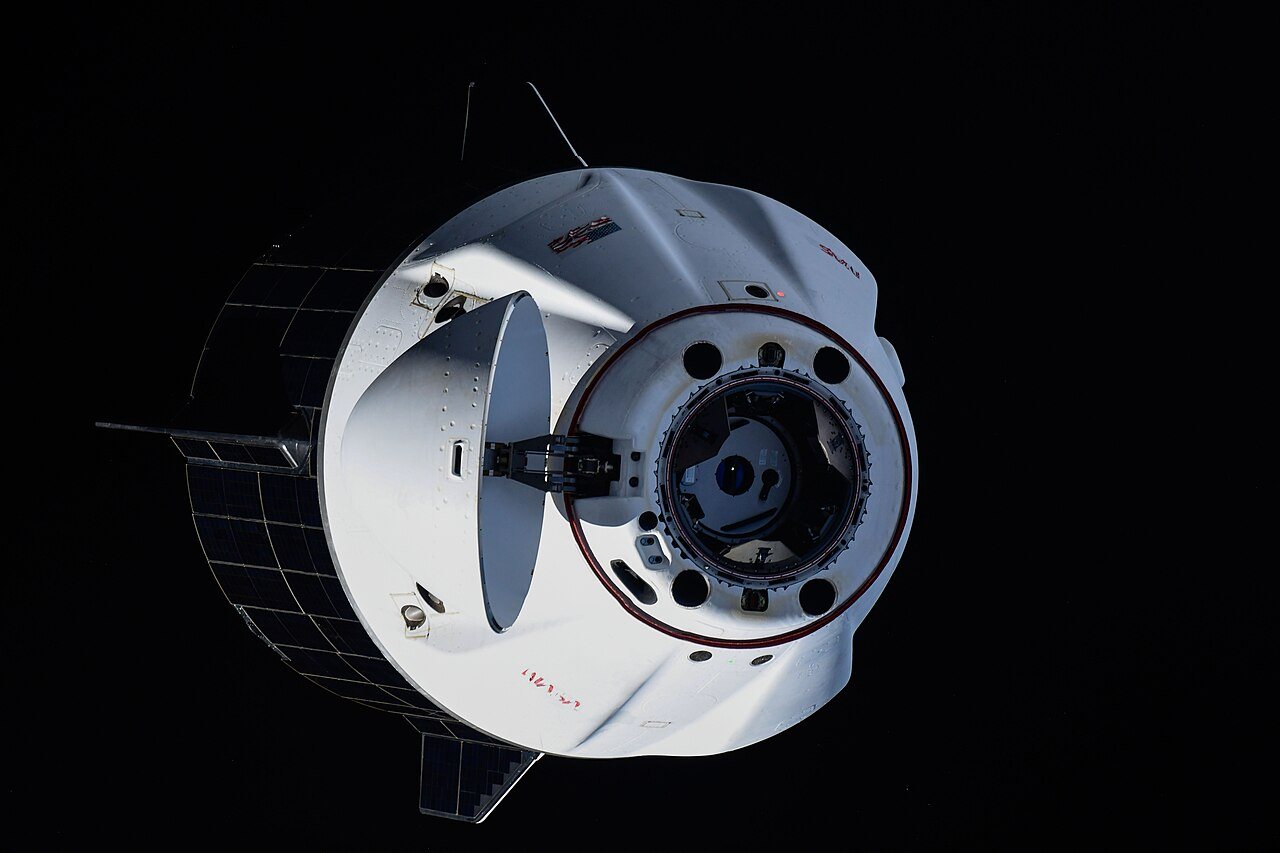
The return-to-flight mission carried an upgraded Antares powered by Russian-built RD-181 engines, replacing the AJ26 engines implicated in the 2014 accident. The rocket also carried a Cygnus spacecraft loaded with supplies and experiments for the space station crew. The launch was the first from Wallops since the explosion and required repairs and modifications to the pad before flights could resume.
The Antares is one of several privately built rockets NASA has relied on to deliver cargo to the station under commercial resupply contracts. The 2014 failure was one of a series of high-profile cargo launch accidents that year, alongside the loss of a SpaceX Falcon 9 and a Russian Progress vehicle, which together underscored the risks of spaceflight and prompted reviews of launch and supply-chain practices.
The successful return of Antares restored a second U.S. commercial cargo provider alongside SpaceX and gave Orbital ATK a path back to regular station resupply missions. The company later merged with Northrop Grumman, which continues to operate Cygnus cargo flights. The Oct. 17 launch remains a milestone in the recovery of a rocket fleet from one of the most visible launch failures in recent commercial spaceflight.
12