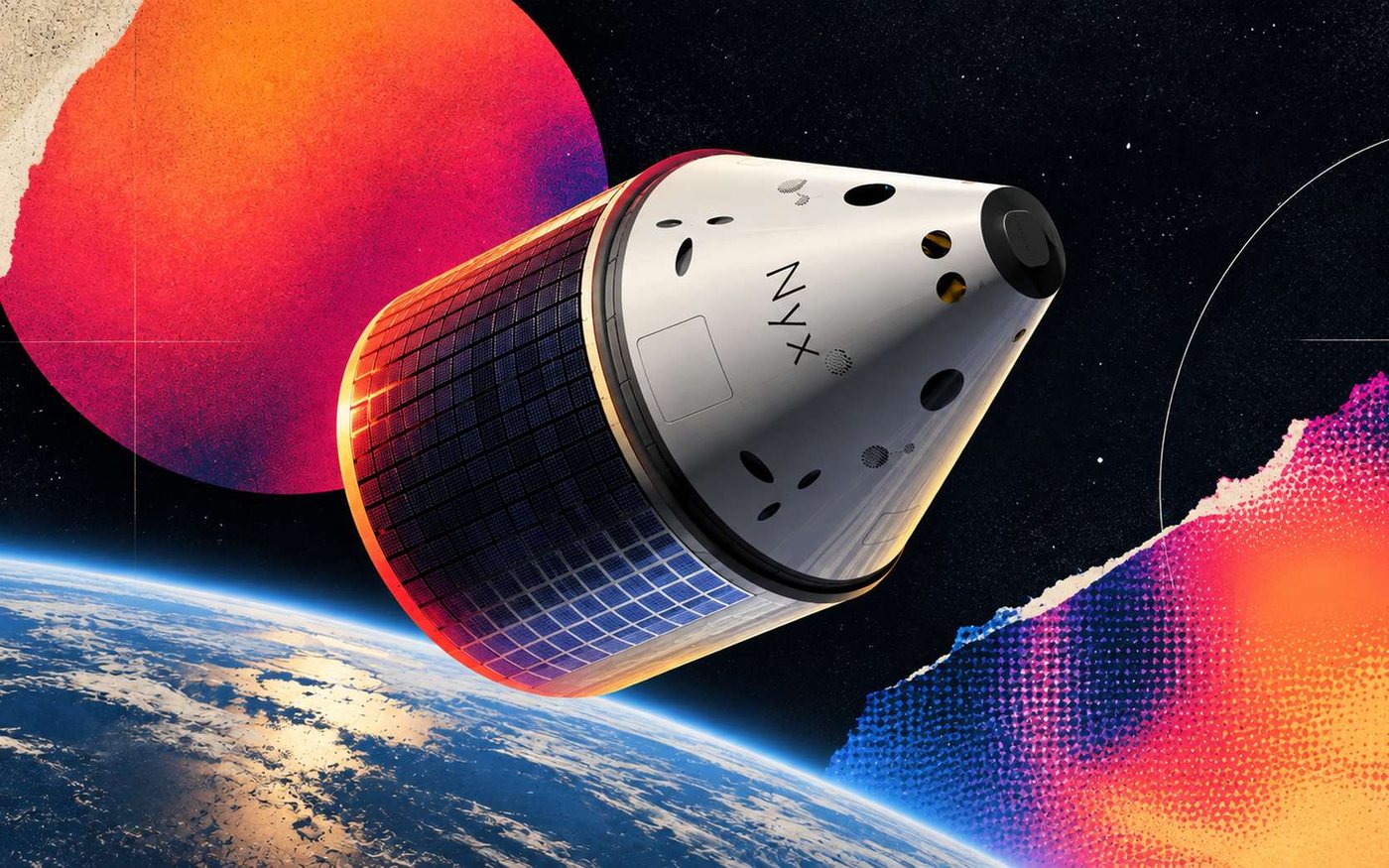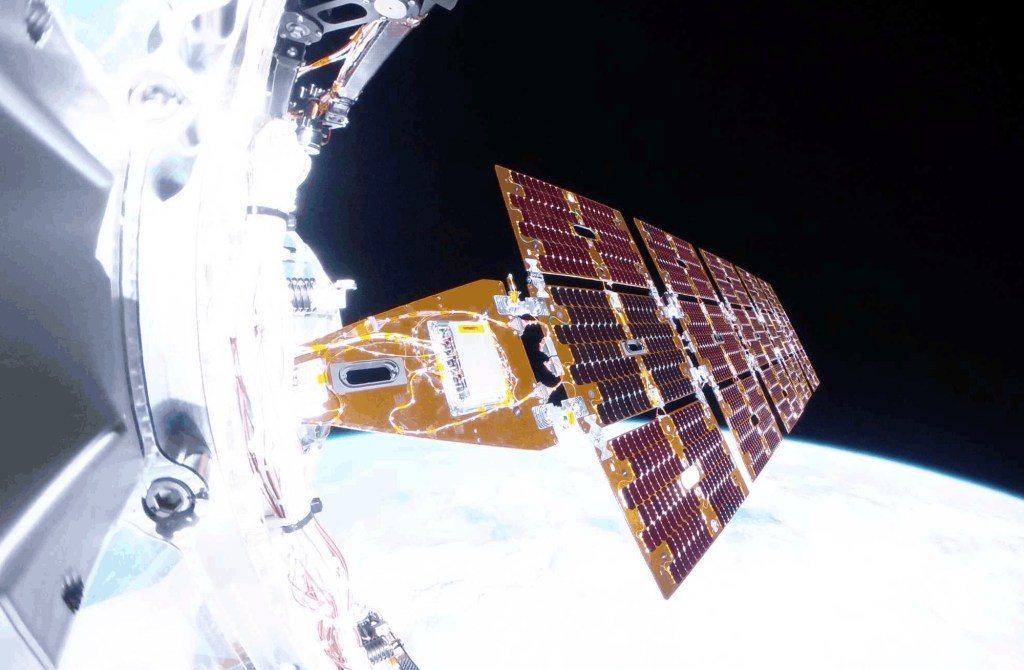
A spacecraft launched nearly a month ago in a high-risk bid to raise the orbit of a NASA astrophysics satellite is experiencing attitude control problems that could jeopardize the entire mission. The unexpected issue threatens the effort to extend the operational life of the Neil Gehrels Swift Observatory, a vital asset for studying gamma-ray bursts and other cosmic phenomena.
Swift, launched in 2004, has been a cornerstone of high-energy astrophysics, detecting and localizing gamma-ray bursts, X-ray flashes, and other transient events. Over two decades in low Earth orbit, the satellite has gradually lost altitude due to atmospheric drag, reducing its observation efficiency and limiting its remaining lifespan. NASA and its partners have been exploring ways to reboost the spacecraft to a higher orbit, and a dedicated service vehicle was launched last month to accomplish this task. The reboost mission was considered high-risk from the start, as in-orbit servicing of a satellite not originally designed for docking or refueling involves complex guidance and control maneuvers.
According to sources familiar with the situation, shortly after reaching orbit, the servicing spacecraft began encountering difficulties maintaining its orientation. Attitude control — the ability to point the vehicle in a precise direction — is critical for rendezvous and docking operations. Without stable attitude control, the spacecraft cannot safely approach Swift to perform the planned reboost burns. The nature of the problem has not been fully disclosed, but it may involve sensor malfunctions, thruster anomalies, or software errors. Engineers are working to diagnose and resolve the issue, but the timeline for recovery remains uncertain.
The mission concept relies on a small, relatively low-cost spacecraft — sometimes referred to as a “space tug” — to perform what was once considered impossible: physically connecting with a satellite not designed for servicing and using its propulsion to lift it to a higher orbit. Such maneuvers have been demonstrated before, notably by Northrop Grumman’s Mission Extension Vehicle (MEV) for geostationary satellites, but Swift operates in a different orbital regime with different aerodynamic and thermal conditions. Attempting a reboost in low Earth orbit carries added risks, including the need to avoid collisions with other objects and to account for rapid orbital dynamics.
If the attitude control problems cannot be resolved, the servicing spacecraft may become a liability itself, adding to the growing challenge of orbital debris. However, mission operators have not yet declared the effort a loss. Contingency plans may include switching to a backup control mode or using alternative sensors to regain stable pointing. The outcome will have implications not only for Swift but also for the broader field of on-orbit servicing, which is seen as a key enabler for satellite life extension and debris removal.
NASA and the servicing mission team have not released an official update since the anomaly was detected, but the space community is closely watching developments. Swift continues to operate nominally for now, but without a successful reboost, its remaining orbital lifetime is limited. The next few weeks will be critical in determining whether the high-risk gamble of using a dedicated reboost spacecraft will pay off or serve as a cautionary tale about the challenges of servicing aging satellites in low Earth orbit.