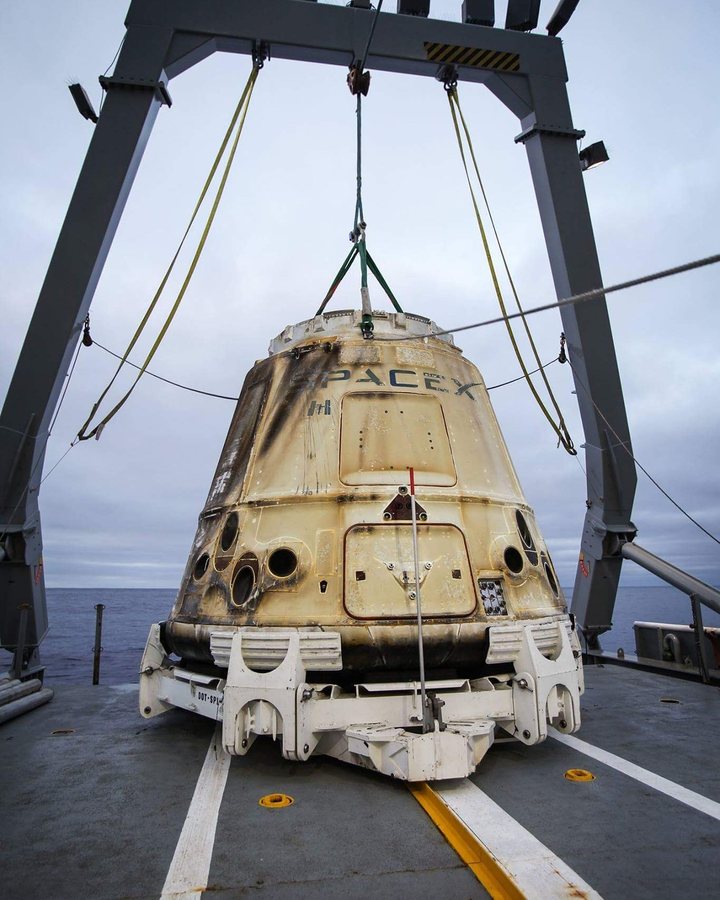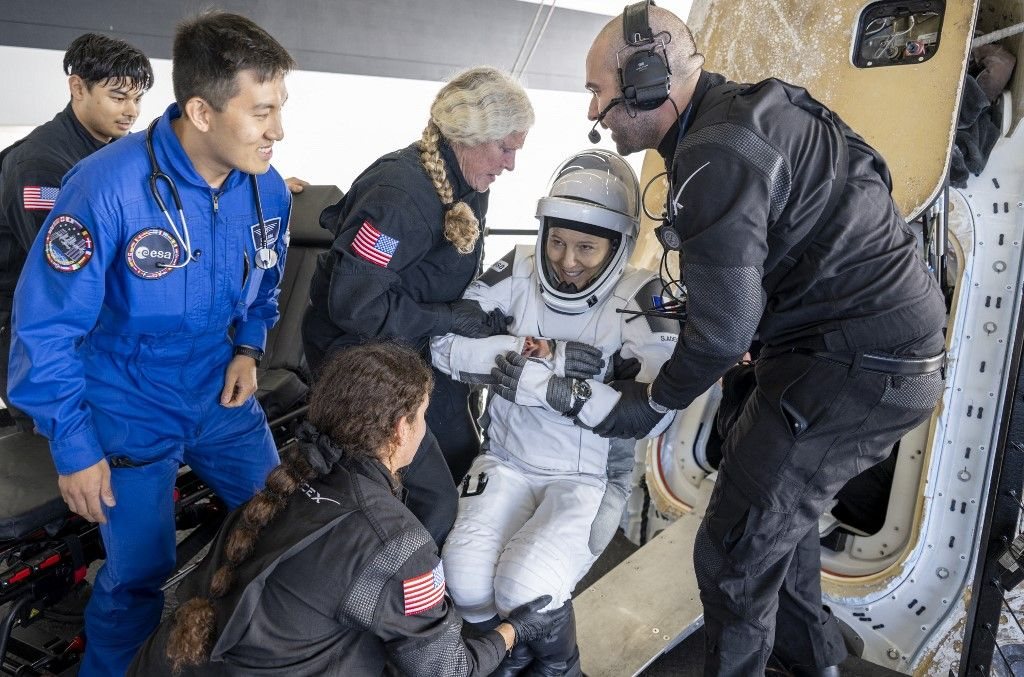
French astronaut Sophie Adenot has returned to Earth after spending 235 days aboard the International Space Station, completing the longest spaceflight ever undertaken by a European woman. The 43-year-old former helicopter pilot splashed down off the coast of California on Thursday alongside three other astronauts, marking the end of a mission that has set a new benchmark for European space endurance.
Adenot's 235 days in orbit, circling the planet at an altitude of roughly 400 kilometers, surpasses the previous record for a European female astronaut. Her mission is part of a broader push by the European Space Agency to expand its presence in low Earth orbit and to gather critical data on how the human body adapts to prolonged exposure to microgravity.
Now back on solid ground, Adenot faces an intensive period of physical re-adaptation. She is scheduled to begin rehabilitation in Cologne, Germany, starting Saturday, where a team of medical specialists will guide her through a structured recovery program. The readaptation process is standard for astronauts returning from long-duration missions and typically involves cardiovascular conditioning, muscle strengthening, and balance training to counteract the effects of weightlessness.
During her time aboard the station, Adenot participated in a wide range of scientific experiments, contributing to research areas that include human physiology, materials science, and Earth observation. The data collected during her mission will feed into ongoing studies aimed at protecting astronaut health on future deep-space missions, including potential journeys to the Moon and Mars.
Her return also carries symbolic weight for France and Europe. Adenot, who was selected as part of the 2022 European astronaut class, has become a prominent figure in the continent's space ambitions. Her extended stay on the ISS underscores Europe's commitment to maintaining a robust human spaceflight program at a time when commercial and international competition in space is intensifying.
The recovery period in Cologne will be closely monitored by ESA medical staff, who will track Adenot's physiological readjustment over the coming weeks. While astronauts often describe the first days back on Earth as disorienting, the rehabilitation program is designed to restore full function and to document the body's recovery in detail, adding to a growing database that informs future mission planning.
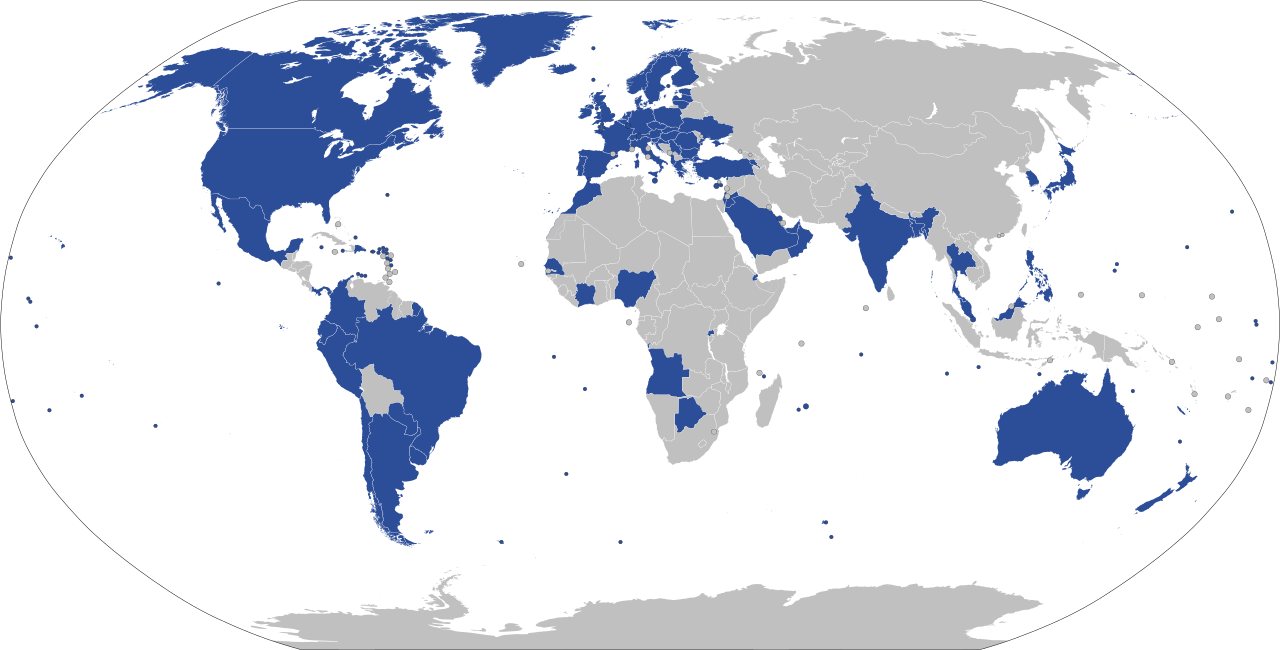
Adenot's mission highlights the increasingly collaborative nature of space exploration. The ISS, a joint project involving the United States, Russia, Europe, Japan, and Canada, remains the primary platform for long-duration human spaceflight research. Her record-setting stay adds a new chapter to Europe's role in that partnership and provides valuable evidence as agencies prepare for the next generation of orbital and lunar missions.
12