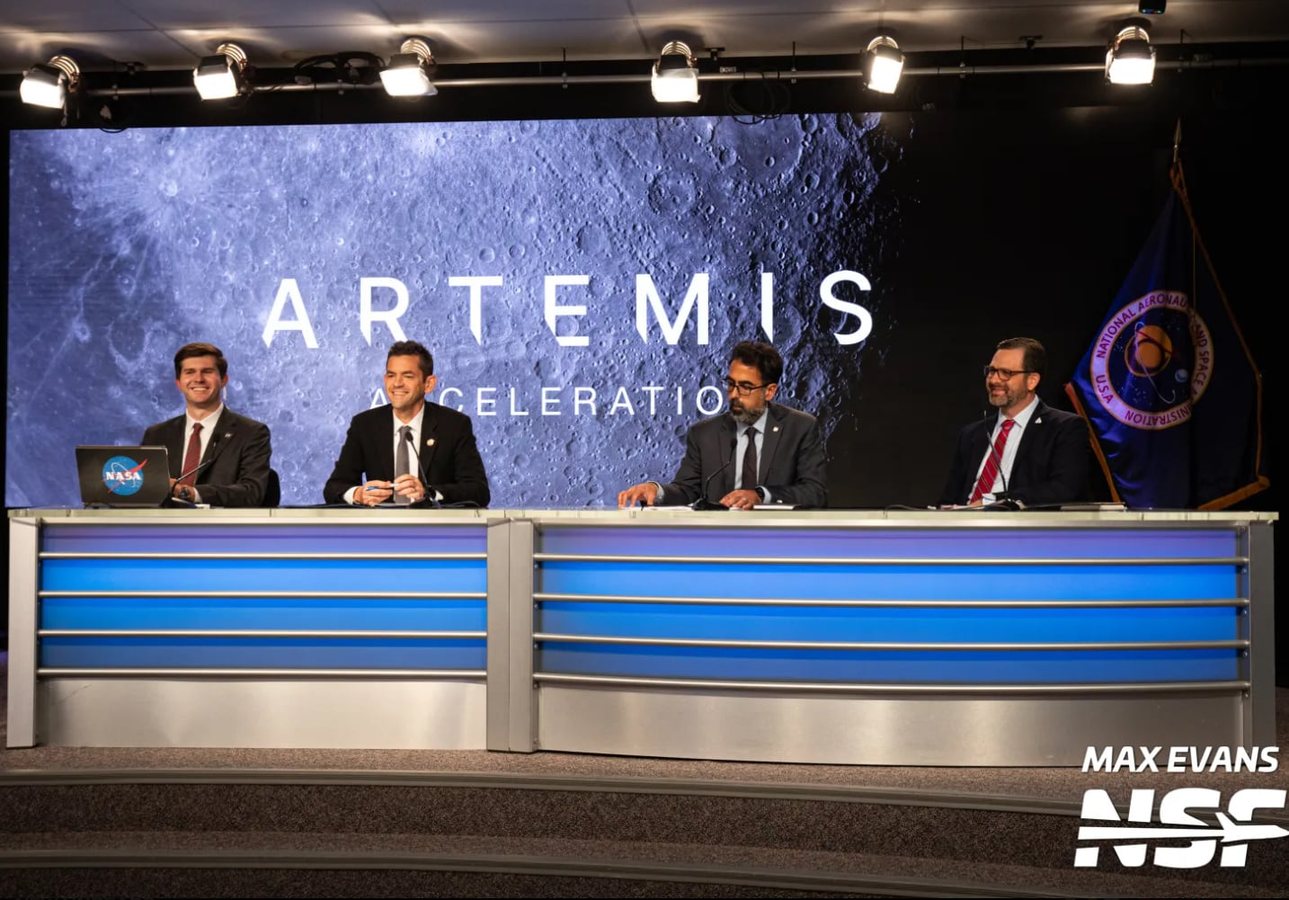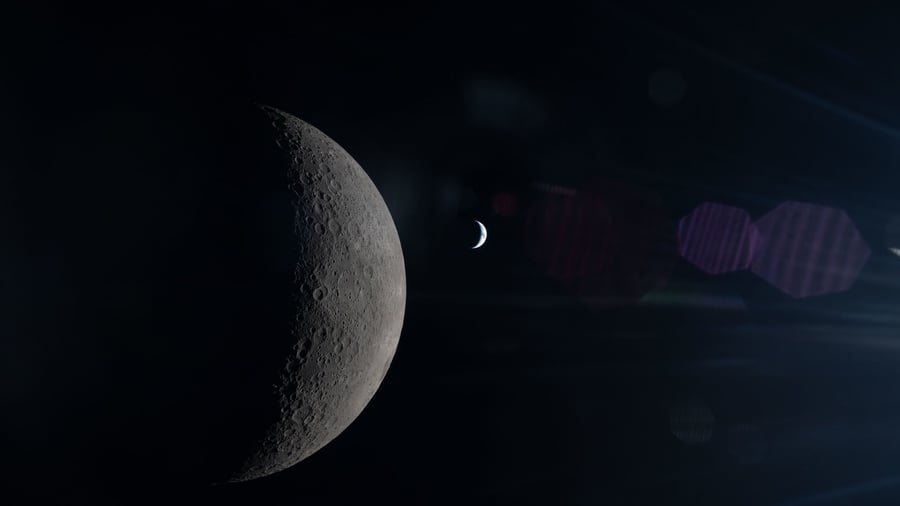
NASA is accelerating preparations to return astronauts to the Moon, with the first crewed landing targeted for 2028. To get there, the agency is relying on two private companies, SpaceX and Blue Origin, which are developing the spacecraft that will carry astronauts from lunar orbit down to the surface.
The year 2027 is expected to be decisive for both companies. NASA plans a test mission in low Earth orbit during which the systems used to join the Orion spacecraft with the landing vehicles being built by SpaceX and Blue Origin will be tried out before they are used on missions to the Moon. The mission, called Artemis III, is expected to last about 14 days and will involve complex operations, including the launch of several rockets and the in-orbit docking of spacecraft.
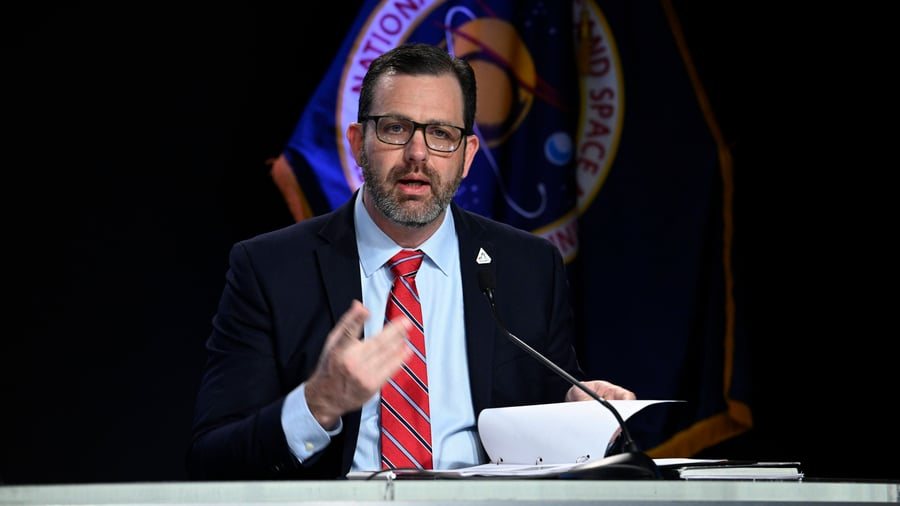
NASA Administrator Jared Isaacman has said the agency cannot depend on longer deadlines and larger budgets to guarantee the success of the missions. He warned that NASA would become directly involved in solving problems if the companies fail to meet their objectives within the set timeframes.
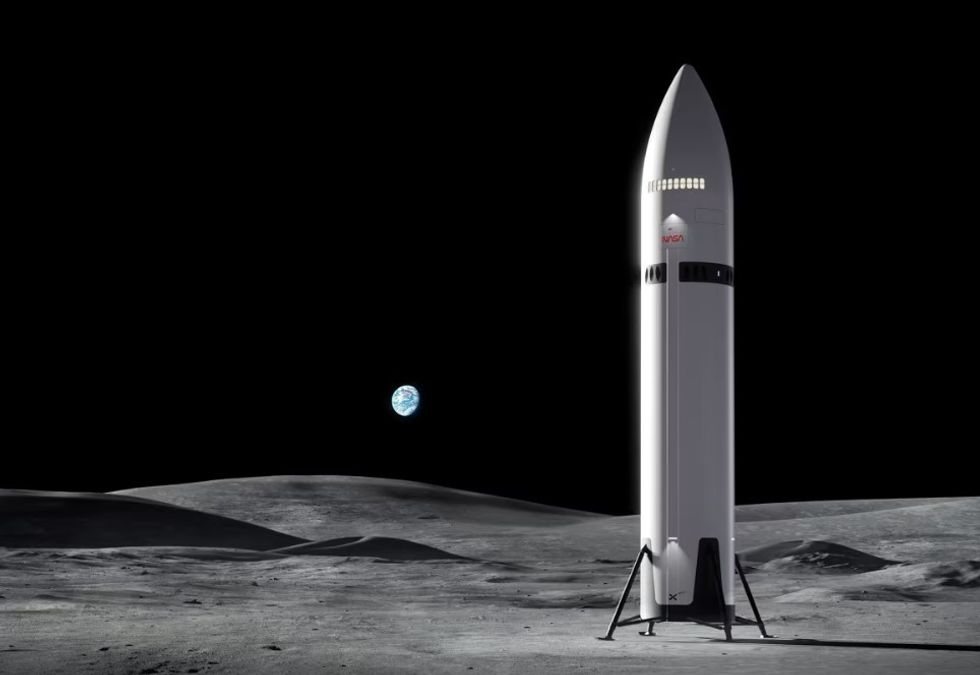
SpaceX is developing the Starship system, made up of the Super Heavy booster and the Starship vehicle, which is intended to serve as the lunar lander. The company must complete a series of technical tests, including a demonstration of propellant transfer between two spacecraft in Earth orbit. Engineers consider this step essential for making trips to the Moon possible.
Blue Origin is developing the Blue Moon Mark 2 lander, designed to transport astronauts to the lunar surface. The company must test the technologies needed to join vehicles in orbit, as well as the systems that will keep the crew safe during a mission on the surface.
NASA has not yet decided which company will carry the first astronauts to the Moon. The agency has changed its earlier approach and intends to choose whichever vehicle is ready first, giving both companies the chance to compete based on technical progress. Under the current plan, the first landing with astronauts is targeted for early 2028, with a second mission possibly following later that same year. Those dates depend on the outcome of testing and on the companies' ability to overcome technical obstacles.
The acceleration of the lunar program is also tied to the space race with China, which aims to send its own astronauts to the Moon by 2030. NASA hopes to increase the pace of its missions and lay the groundwork for a more sustained human presence on the Moon.
17