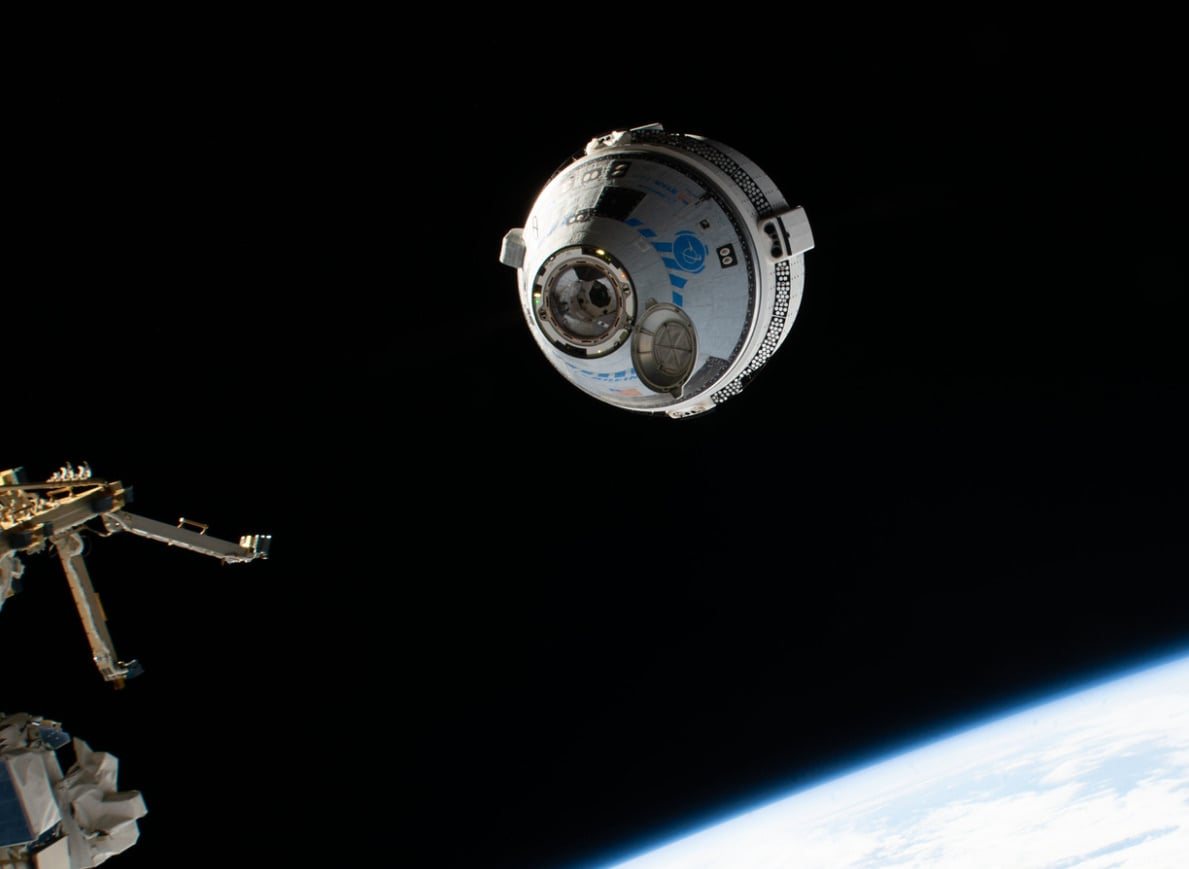
NASA and Boeing have unveiled a revised path to return Boeing's Starliner spacecraft to crewed flight, placing an uncrewed engineering mission first and targeting a crewed return to the International Space Station by 2028. The plan, announced Monday by NASA Administrator Jared Isaacman, is intended to keep more than one U.S. crew transportation option available as demand grows across low Earth orbit.
«We are living through the most exciting era of space exploration since Apollo,» Isaacman said. «NASA has been committed to having multiple crew transportation options since the beginning of the Commercial Crew Program. We have worked closely with Boeing to address the issues identified on previous Starliner flights, and we intend to see this vehicle return to flight in support of the International Space Station and future commercial destinations.»
The next mission, Starliner-1, will fly without astronauts to the space station no earlier than December 2026, with January 2027 also in the window. NASA describes it as an engineering evaluation flight designed to verify improved thermal environments on the service module, collect qualification data, and identify residual risk before anyone flies again. The agency also intends to exercise options for a fifth and sixth flight to and from the station using Starliner.
Dana Weigel, manager of NASA's Low Earth Orbit Program, said the uncrewed mission is the critical step toward full system certification. «With the safety of our space station crew and the public as our highest priority, we will test Starliner's propulsion system through targeted demonstration objectives and disciplined operational controls,» she said. «These steps are essential to validating Starliner's thermal performance, which is a key element for the certification.»
NASA astronaut Woody Hoburg has been assigned to command the first crewed return, Starliner-2, which is planned for 2028. In parallel, NASA will work with Boeing and United Launch Alliance to certify ULA's Vulcan rocket for crew transportation after Atlas V's remaining flights are used. Atlas V has been Starliner's only ride to date, but with production ending, a certified Vulcan is required if the spacecraft is to have a long-term future.
The revised plan follows the February release of the Program Investigation Team findings from the 2024 Crew Flight Test, which ended with an uncrewed return after service module reaction control thrusters operated outside their engineering qualification and the vehicle lost control authority during approach. The team issued 61 recommendations. Ground testing and analysis showed the thruster problems were not a single failure but came from a combination of the thermal environment around the service module «doghouses» and design features of the thruster valves themselves.
Boeing has already made thermal modifications that NASA will evaluate on Starliner-1. After that flight, NASA and Boeing will implement an additional thruster valve design change aimed at poppet seal extrusion and its effect on thruster performance. Boeing will also install new crew module thrusters, new batteries, and make minor parachute system modifications before crewed certification.
Poppet valves are not new to human spaceflight, and neither is trouble with their seals. Starliner's service module RCS valves use a poppet with a Teflon seal. Heating, soak-back, and the oxidizer environment can cause that seal to swell and extrude, restricting nitrogen tetroxide flow into the thruster. White Sands testing after the Crew Flight Test reproduced the degraded performance and found the extruded Teflon poppet as a contributor. The planned valve modification is intended to stop that extrusion from becoming a flight constraint again.
The Shuttle program spent years wrestling with a different but related problem on its Main Propulsion System Flow Control Valves. After a liberation event on STS-126, managers delayed STS-119 until they had flight rationale for three «cherry-picked» flow control valves that had flown without issue. Post-flight inspection of those valves on Discovery showed no cracks, the precursor to liberation, and that result helped clear STS-125. Shuttle also dealt with PTFE pilot-seal extrusion on Orbiter primary RCS thruster fuel valves, a known failure mode that produced restricted flow and dozens of ground and on-orbit valve issues over the program's life.
The systems are not the same, however. Starliner's doghouse thermal environment, pulse trains, and oxidizer-side poppet geometry are specific to this vehicle. The historical parallel is simply that poppets and softgoods have a long record of being unforgiving when temperature, pressure, and propellant chemistry line up the wrong way. Flight data, inspection, and a hardware change were how Shuttle closed those issues. NASA and Boeing are now applying the same sequence to Starliner.
Starliner-1 is meant to close the thermal chapter in flight. The valve redesign, new crew module thrusters, batteries, and parachute work follow. Only then does NASA intend to complete the remaining testing and certification required for crewed flight.
21