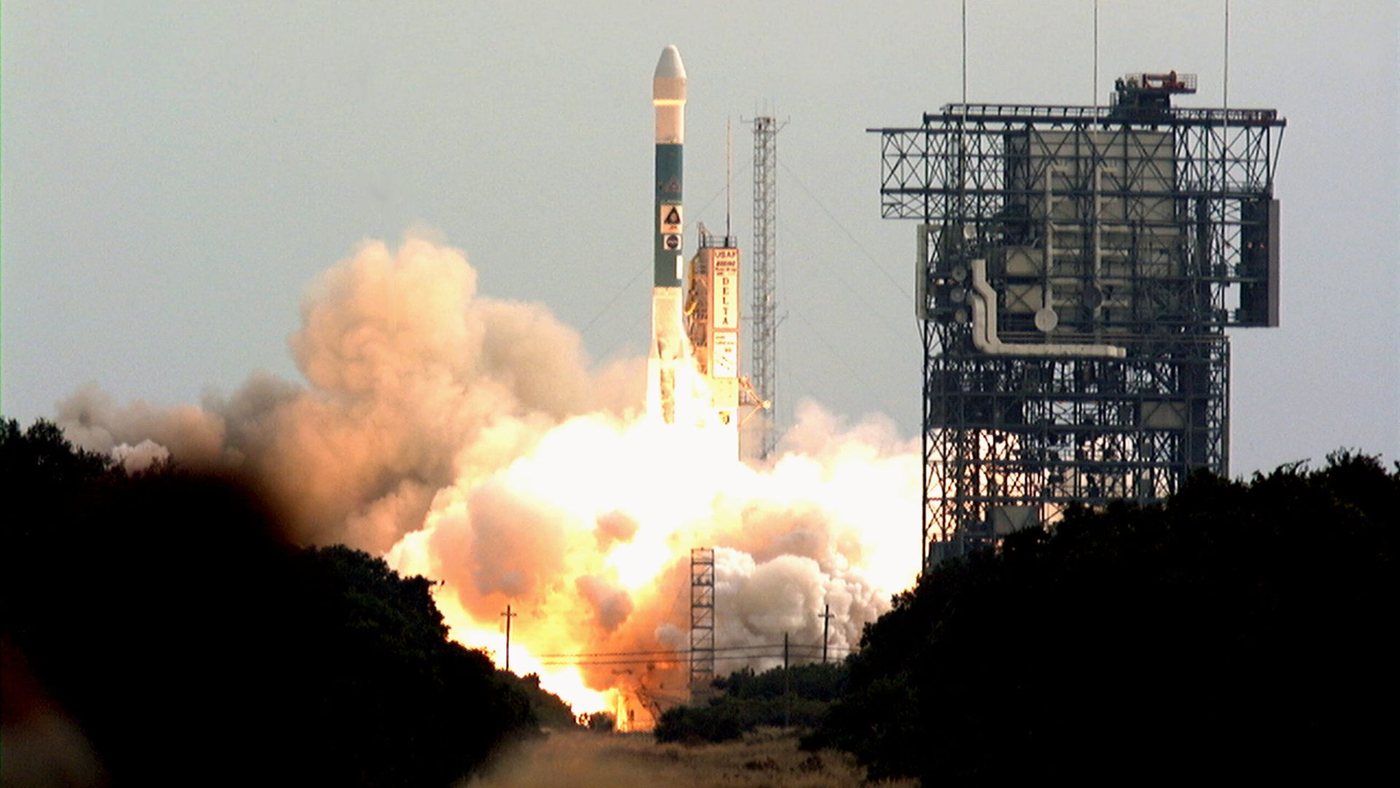
NASA launched the Mars Global Surveyor on Nov. 7, 1992, marking the agency's first mission to Mars in roughly two decades. The spacecraft was built to study the Red Planet from orbit and to produce a far more detailed picture of its surface than any earlier effort had managed.
The launch was a significant step for a space agency that had spent much of the intervening years focused on other destinations. Mars had been visited by a handful of earlier spacecraft, but none had been designed to chart the planet's terrain and features with the level of precision the Surveyor was meant to deliver. Its mapping work was intended to give scientists a clearer understanding of Mars's geology and climate and to help plan future missions.
The anniversary of the launch is being marked as part of a regular feature that looks back at notable moments in spaceflight history. The Surveyor's launch remains one of the milestones that helped re-establish NASA's sustained presence in Mars exploration.
Separately, NASA's Swift Observatory has re-entered Earth's atmosphere over Indonesia. Swift had operated for nearly 22 years, far beyond its planned two-year lifetime. During that time it studied black holes, exploding stars and other cosmic outbursts. The re-entry date and the fate of any surviving debris were not stated in the available reporting.
Credit. Based on reporting by Hanneke Weitering and Elizabeth Howell for Space.com. Is this your work? Write to us.
5