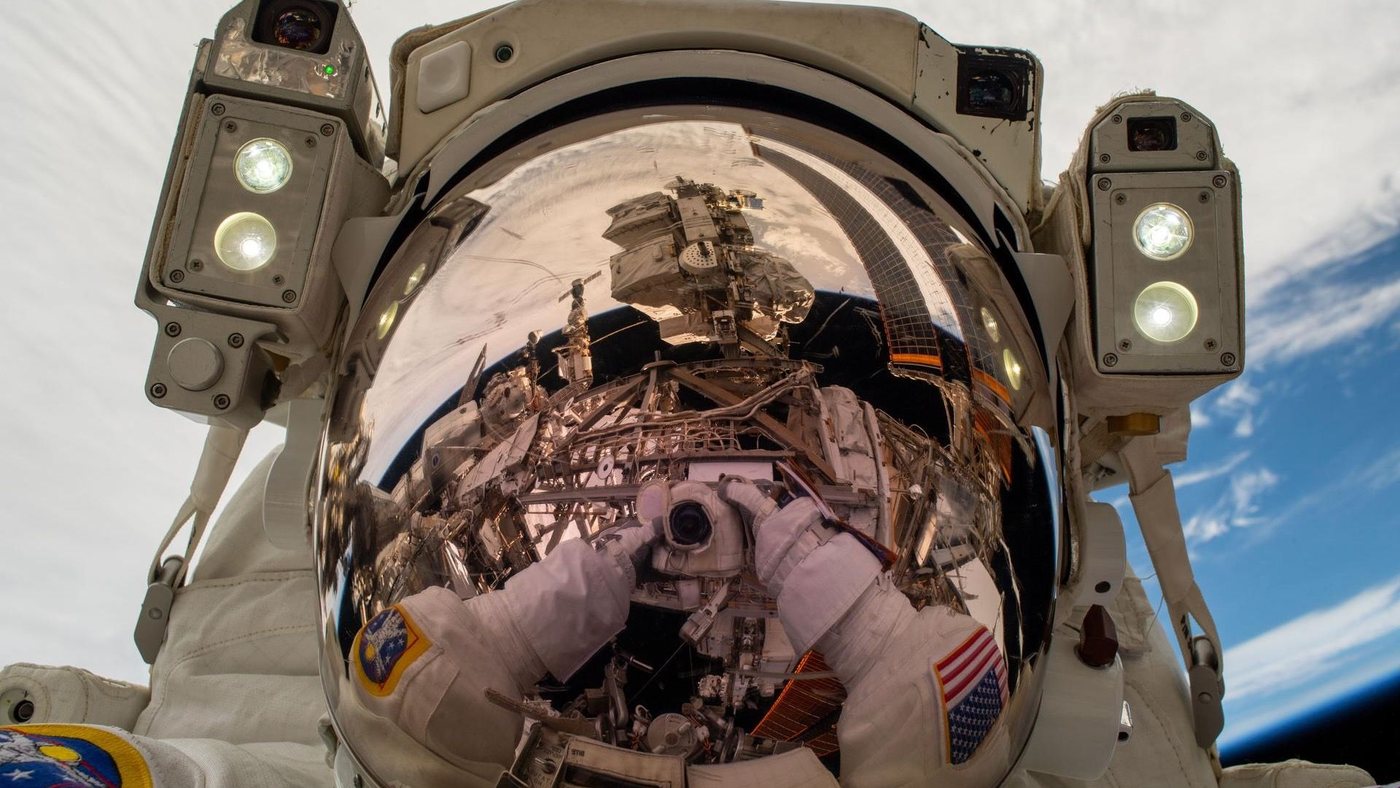
NASA has opened applications for a new class of astronauts, with a deadline of December 3, and is looking for candidates prepared to live and work on the Moon. The call for applicants signals that the agency is preparing its crews for a longer-term presence on the lunar surface rather than short visits.
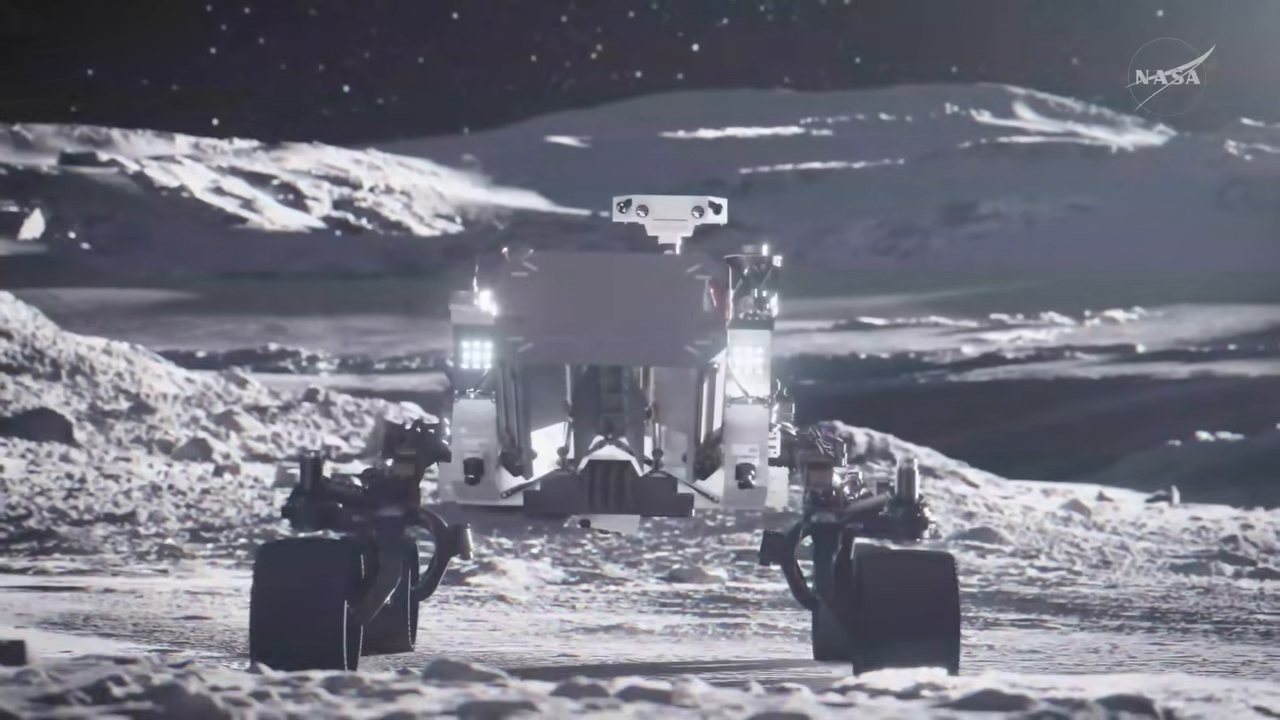
The recruitment drive is tied to the expansion of the Artemis program, which supports the development of a lunar base and, further ahead, the first crewed missions to Mars. Under the broader Moon Base effort, the agency has also booked a robotic rover called PROMISE for the lunar south pole. The rover is scheduled to launch in late 2028 aboard a lander built by Blue Origin, the Mark 1, and its estimated cost, including delivery to the surface, is below $400 million. PROMISE draws on test hardware originally developed for NASA's Curiosity Mars rover and is powered by a radioisotope generator.
The mission has a complicated history. A previous lunar rover project, VIPER, was cancelled in 2024, and the Blue Origin delivery option is what brings a similar vehicle back to the program. Other pieces of the lunar infrastructure are taking shape as well. Contracts for miniCAST, a system meant to supply power, storage, wireless charging and communications, have gone to companies including Honeybee, Redwire and Yank Technologies. A solicitation for an integrated power system is expected in early 2027.
NASA has also outlined six launch task orders worth roughly $1.3 billion in total and named eight providers under its Commercial Lunar Payload Services initiative. A demonstration of Starlink for long-range communications is planned, though the agency has said this would not serve as permanent infrastructure.
Credit. Based on reporting by Keely Aouga for The Guardian. Is this your work? Write to us.
28