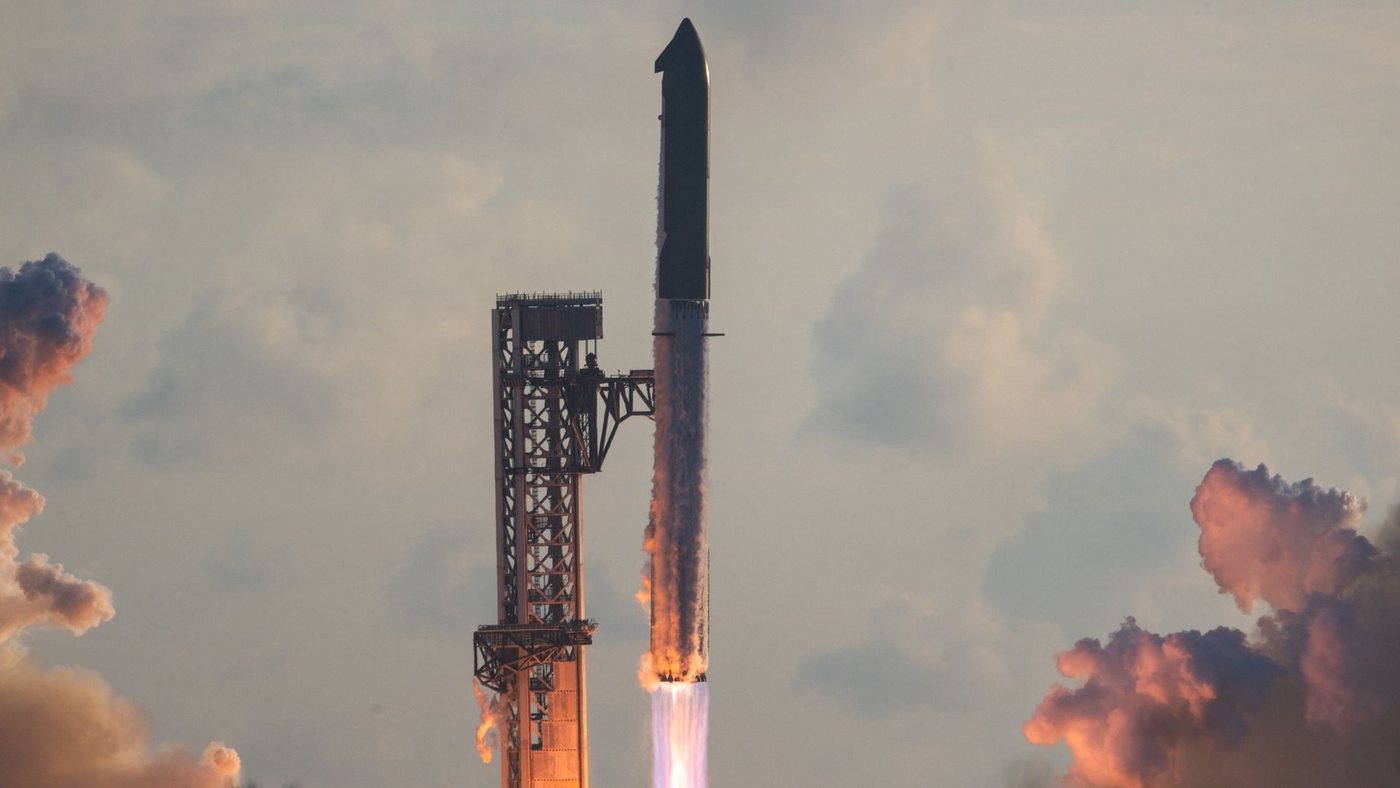
NASA and SpaceX are preparing to send four astronauts to the International Space Station on October 1, with the Crew Dragon spacecraft potentially reaching the orbiting laboratory in less than nine hours after liftoff from Florida. The mission, designated Crew-13, would mark one of the fastest crewed transits to the station in recent years, underscoring the growing efficiency of commercial crew operations.
The four-person crew will join Expedition 75 once docking is complete, expanding the station's resident team for a new rotation of scientific research and maintenance work. Before launch, teams are completing a final round of intensive launch-readiness checks, a standard but critical phase that verifies the spacecraft, rocket, and ground systems are prepared for the mission.
The sub-nine-hour flight profile reflects the maturing capabilities of the Dragon vehicle and the Falcon 9 rocket that carries it, which have together established a regular cadence of crewed flights from Florida's Space Coast. Short transit times reduce the amount of time astronauts spend in the confined quarters of the capsule and allow the station crew to begin handover activities sooner.
Crew-13's arrival will overlap briefly with the outgoing station residents, a period during which the two teams exchange responsibilities and familiarize the newcomers with ongoing experiments and systems. Expedition 75 will then continue a broad program of research that includes biology, physics, Earth observation, and technology demonstrations conducted in the station's microgravity environment.
The October 1 target date remains subject to weather conditions and technical readiness, as is typical for crewed launches. NASA and SpaceX have not announced a backup opportunity, but such missions routinely hold several reserve dates in case of delays. The launch would depart from Florida, continuing the region's role as the primary gateway for U.S. crewed spaceflight.
If the mission proceeds as planned, the rapid rendezvous would add another data point to the operational record of commercial crew transportation, which has become the primary means of ferrying astronauts to and from the station for NASA and its international partners. The agency has emphasized that safety and mission assurance remain the deciding factors in any launch decision, regardless of the transit time achieved.
19