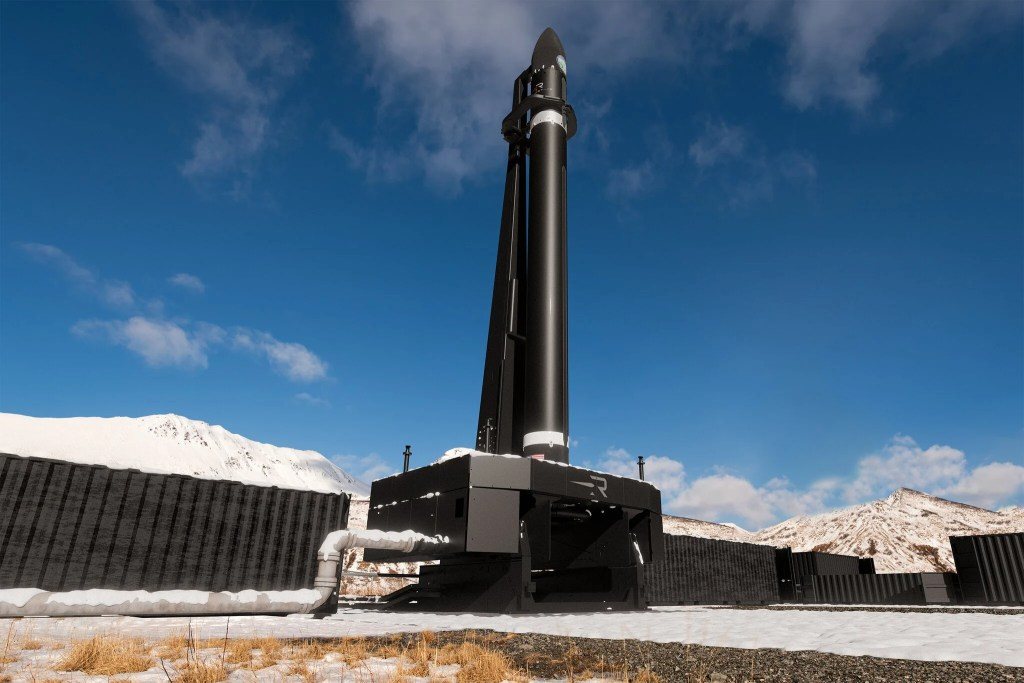
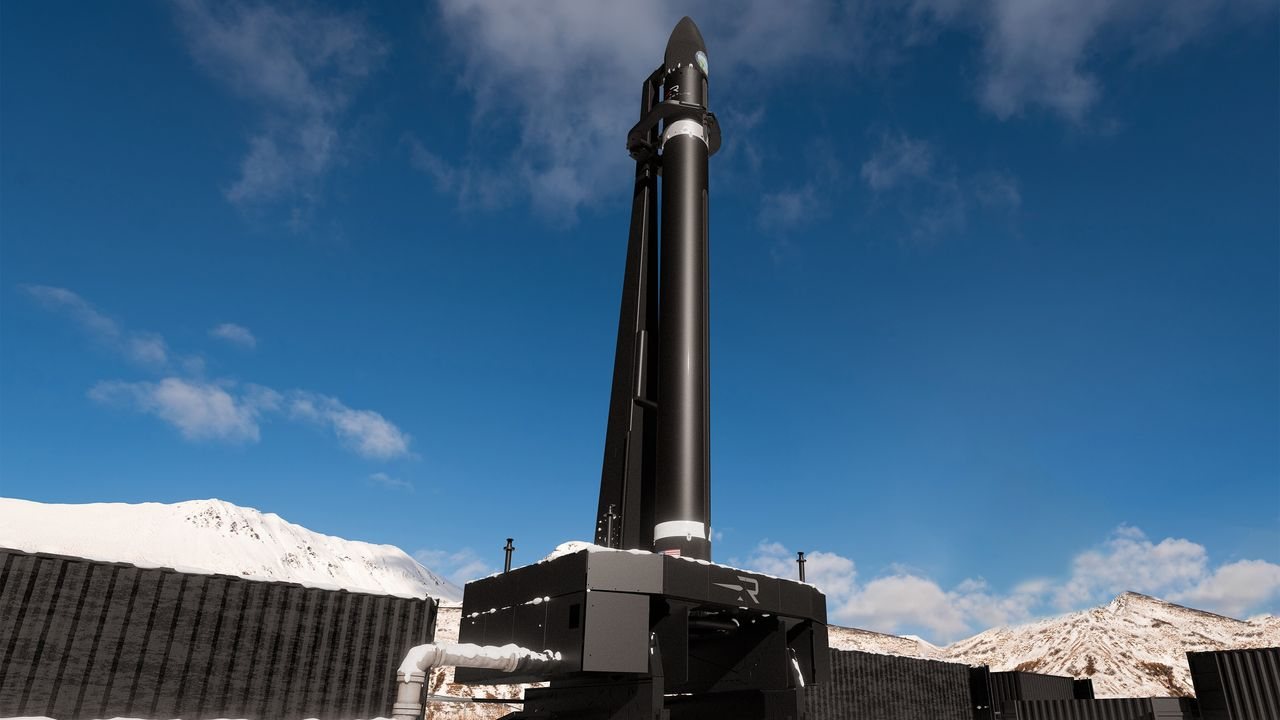
Rocket Lab has been awarded a major contract worth up to $266 million by the U.S. Space Force to conduct missile-defense launches from Alaska. The deal marks a significant expansion of the company's involvement in national security space missions and establishes a new launch capability from American soil.
Under the agreement, Rocket Lab will provide launch services from the Pacific Spaceport Complex on Kodiak Island, Alaska. The facility, owned and operated by the Alaska Aerospace Corporation, is designed for polar and sun-synchronous orbit launches and has historically been used for defense-related tests. The contract is part of the Space Force's efforts to ensure reliable and responsive access to space for missile warning and defense systems.
Rocket Lab, founded by New Zealander Peter Beck in 2006, has primarily launched its Electron rocket from its own private launch site on the Mahia Peninsula in New Zealand. However, the company has been actively expanding its U.S. footprint, including building a launch site at NASA's Wallops Flight Facility in Virginia and developing the larger, reusable Neutron rocket. The Alaska deal further strengthens Rocket Lab's position as a key contractor for the U.S. military, which has increasingly turned to commercial providers to meet its space needs.
The contract includes multiple launches over several years, with the first mission expected to take place in the near future. The specific payloads and launch schedules are classified, but the missions are understood to support the Space Force's missile defense architecture. Rocket Lab's Electron rocket, capable of carrying small satellites to orbit, is well-suited for such rapid-response missions, often deployed on short notice.
This award follows other recent government contracts for Rocket Lab, including a $14.35 million deal with the Space Development Agency for a study on tracking missile launches from space. The cumulative value of these contracts underscores the company's growing importance in the defense sector. For the Space Force, the arrangement provides a cost-effective and flexible launch option compared to larger, more expensive rockets.
The Alaska launch site offers unique advantages. Its location allows direct insertion into polar orbits without overflying populated areas, a key requirement for missile warning satellites. The site is also less congested than the Eastern Range at Cape Canaveral or the Western Range at Vandenberg. Rocket Lab will need to integrate its launch operations with the existing infrastructure at Kodiak, which includes a launch pad, processing facilities, and range safety systems. The company has already begun planning the modifications needed to support its Electron launches from the site.
The deal also reflects the broader trend of the U.S. military relying on commercial space companies for rapid, affordable access to space. SpaceX, United Launch Alliance, and Northrop Grumman are among the other contractors serving the Space Force, but Rocket Lab's small-launch niche fills a specific need for dedicated, responsive missions. The $266 million ceiling value suggests a substantial multiyear commitment, likely covering multiple launches and associated support activities.
Rocket Lab's stock rose modestly following the announcement, and analysts noted the strategic value of having a credible domestic launch alternative for defense missions. The company has faced some competition from other small-launch providers like Astra Space and Firefly Aerospace, but the Alaska contract gives Rocket Lab a competitive edge in the military market. The company continues to develop the Neutron rocket, which is intended to launch larger payloads and could open even more defense opportunities.
The Pentagon has made clear that it views space as a contested domain and that resilient launch capabilities are essential for national security. By securing a launch site in Alaska, Rocket Lab helps the military diversify its launch locations, reducing vulnerability to disruptions at other ranges. The contract also supports the local economy in Alaska, where the Pacific Spaceport Complex is a key asset for space and defense activities.
Rocket Lab has not disclosed a timeline for the first launch from Alaska, but industry observers expect initial test flights within the next two years. The company will need to clear regulatory hurdles and complete site preparations before regular operations begin. In the meantime, Rocket Lab continues to launch commercial and scientific missions from New Zealand and Virginia, with a growing backlog of contracts.