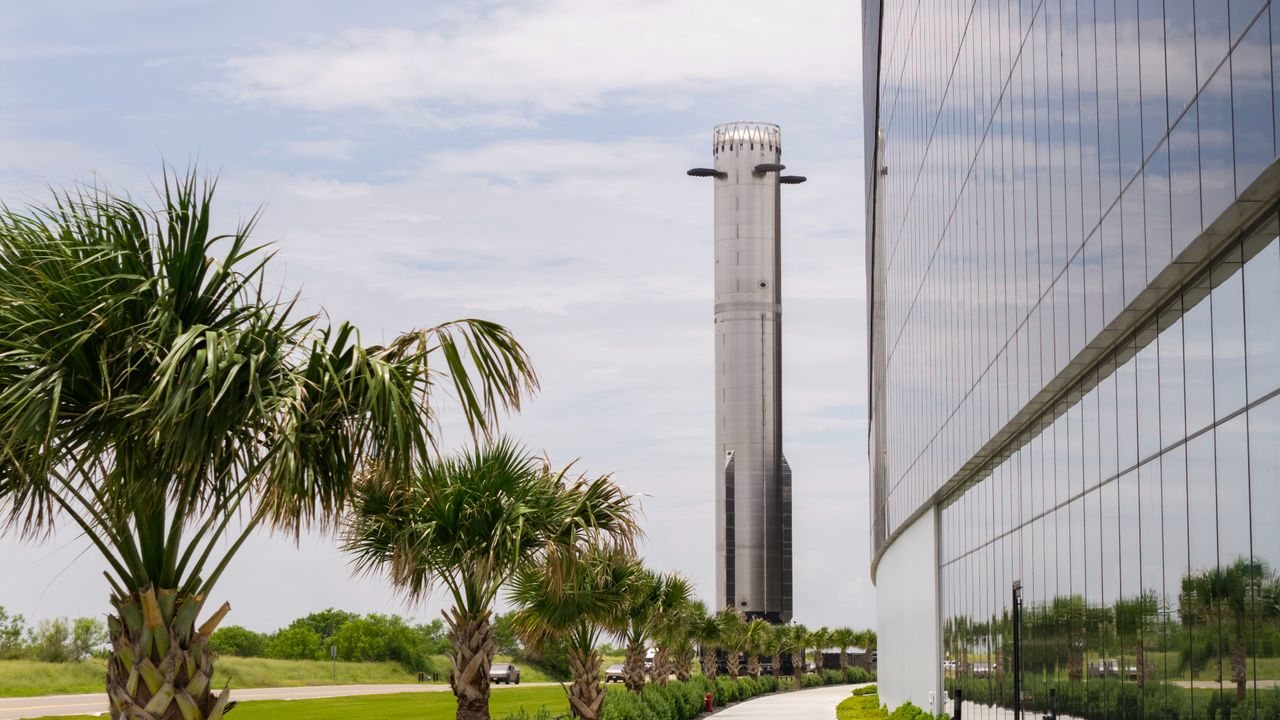
SpaceX has successfully ignited all 33 Raptor engines on the Super Heavy booster during a static fire test at its Starbase facility in South Texas, marking a key milestone ahead of the 13th integrated test flight of the Starship launch system. The test, conducted on the orbital launch mount, involved a full-duration burn that generated approximately 74 meganewtons of thrust, making it the most powerful rocket booster ever tested.
The static fire is a standard prelaunch procedure that verifies the performance of the booster's propulsion system, including engine ignition, throttle control, and propellant feed. All 33 engines fired simultaneously for several seconds, producing a massive plume of exhaust and a thunderous roar that could be heard for miles around the facility. SpaceX engineers will now analyze data from the test to confirm that the booster is ready for flight.
Flight 13 will be the latest in a series of increasingly ambitious test flights for the Starship system, which consists of the Super Heavy booster and the Starship upper stage. Previous flights have demonstrated stage separation, orbital insertion, and controlled reentry, though some missions ended with explosions or loss of vehicle. Each test has provided valuable data that SpaceX has used to refine the design and operations of the world's largest and most powerful rocket.
The Starship system is central to SpaceX's long-term goals of transporting humans to the Moon and Mars. NASA has selected a modified version of Starship as the human landing system for its Artemis program, which aims to return astronauts to the lunar surface later this decade. The U.S. space agency has awarded SpaceX multiple contracts worth billions of dollars to develop and demonstrate the lunar landing capability.
SpaceX founder and CEO Elon Musk has stated that the company aims to achieve rapid reusability for both the booster and the upper stage, a capability that could dramatically reduce the cost of access to space. The Super Heavy booster is designed to return to the launch site after separation and land vertically, similar to the Falcon 9 first stage. The Starship upper stage is also intended to be fully reusable, capable of landing on Earth or other celestial bodies.
The static fire test comes amid an active period for SpaceX, which has been conducting multiple launches per week from its facilities in Florida and California. The company's Falcon 9 rocket has become the workhorse of the commercial launch industry, while Starship represents the next leap in payload capacity and mission capability. SpaceX has also been working on orbital refueling technology, which would allow Starship to carry larger payloads to deep space destinations.
Environmental and community concerns have accompanied the rapid pace of testing at Starbase. The Federal Aviation Administration has conducted environmental reviews and imposed conditions on SpaceX's operations, including limits on the number of launches and requirements for noise mitigation. Local residents have reported debris falling from previous test flights, and wildlife advocates have raised concerns about the impact on nearby habitats.
SpaceX has not yet announced a specific launch date for Flight 13, but the static fire test clears a major technical hurdle. The company typically requires several weeks to review test data and complete vehicle preparations before a launch attempt. The launch window will depend on regulatory approvals from the FAA, which must issue a launch license modification for each flight.
The success of the Starship program is closely watched by the global space community, as it represents a potential paradigm shift in heavy-lift launch capabilities. If fully operational, Starship could enable missions that are currently impossible with existing rockets, including large-scale space infrastructure projects, crewed missions to Mars, and the deployment of massive telescopes and satellites. The system's fully reusable design is also expected to lower launch costs significantly, opening new opportunities for scientific research and commercial space activities.
SpaceX continues to iterate on the Starship design with each test flight, incorporating lessons learned from previous missions. The company has made changes to the vehicle's thermal protection system, avionics, and propulsion systems based on flight data. The iterative approach, while sometimes resulting in spectacular failures, has allowed SpaceX to rapidly advance the technology at a pace that traditional aerospace programs have rarely matched.
696