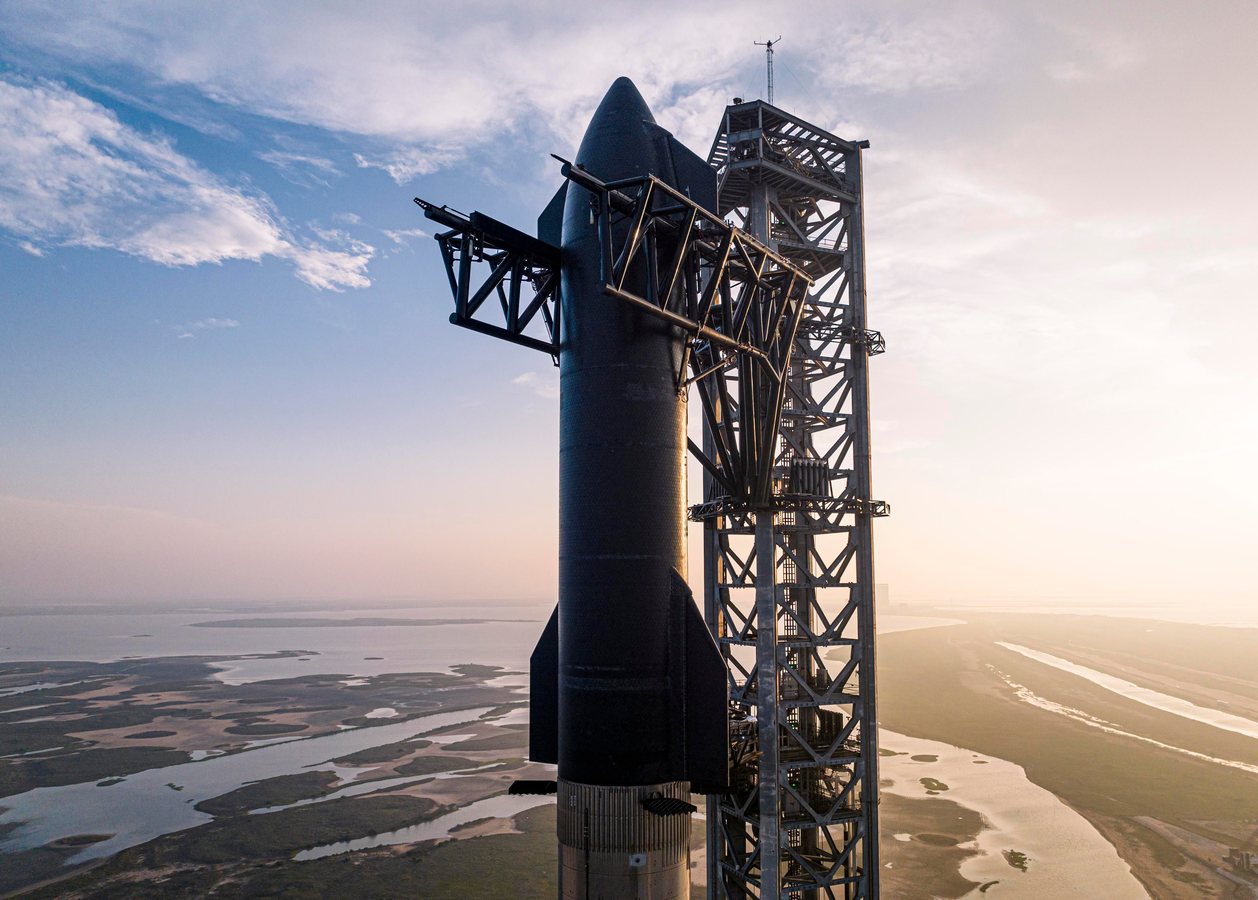
SpaceX launched its 15th Starship flight from Texas on Friday, aiming for a milestone the company has not yet reached: an orbital trip that ends with the vehicle returning to its launch site. The upper stage reached orbit about 27 minutes after liftoff, keeping the mission on track for its most ambitious goal to date.
The first-stage Super Heavy booster did not follow its planned return path. It was diverted toward the Gulf of Mexico, hovered briefly, and then exploded over the sea. The reporting did not establish why the diversion happened, and the cause remained unclear at the time of publication.
The upper stage is scheduled to circle Earth for roughly 22 hours, completing about 14 orbits before re-entering the atmosphere. If the descent goes as planned, engines will guide the vehicle toward the mechanical arms of the launch tower on Saturday, a catch that would mark the return to the launch site. Whether that attempt succeeds was not known when the flight was reported.
The mission also carries a commercial payload. Within the first two hours, 26 Starlink satellites were released, and the company says future Starship flights will deliver operational Starlink satellites into orbit. Reusability sits at the center of the program. Chief executive Elon Musk has long argued that reusing rockets is essential to making spaceflight far cheaper.
The stakes are high for the broader effort. NASA has provided about $3.2 billion for Starship's work on a lunar lander, and SpaceX says it has invested at least $15 billion of its own money. The company has targeted a crewed moon landing for 2028, a date that is widely expected to slip. An orbital fuel-transfer demonstration, a step seen as necessary for lunar missions, also remains pending.
Credit. Based on reporting for The Express Tribune. Is this your work? Write to us.
45