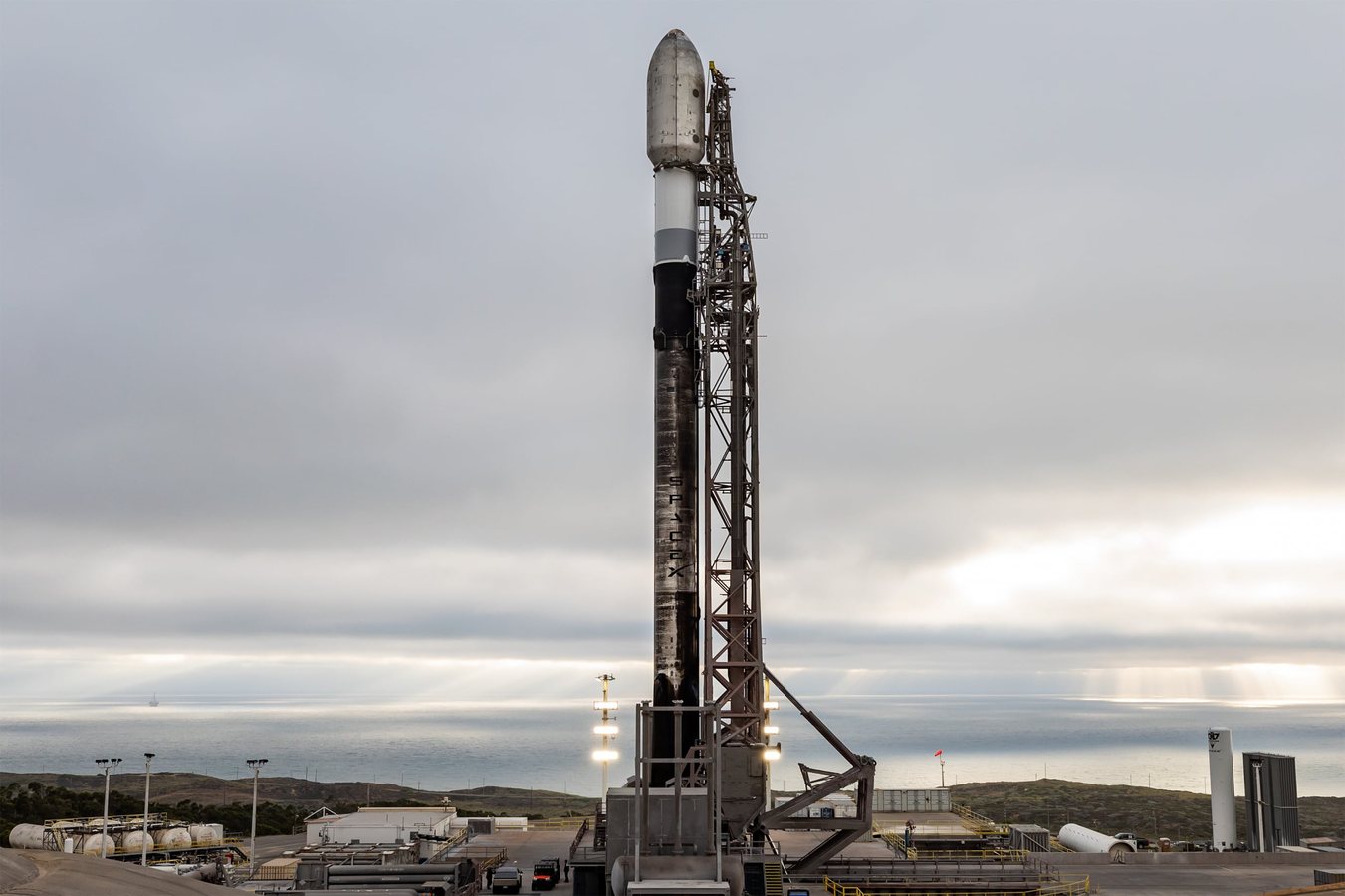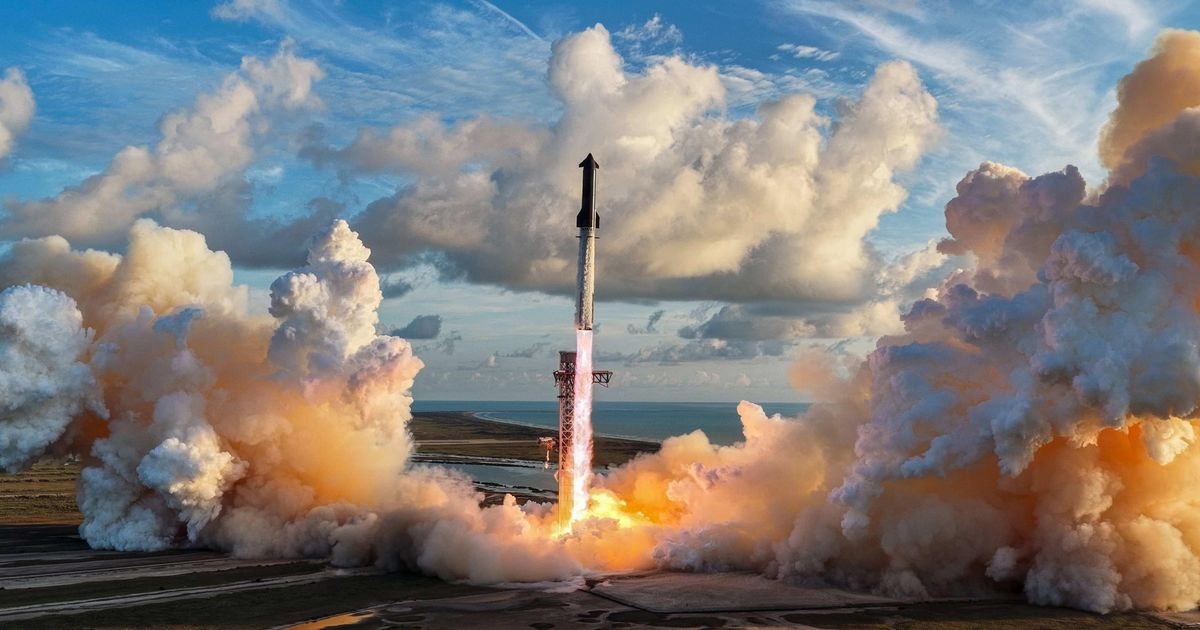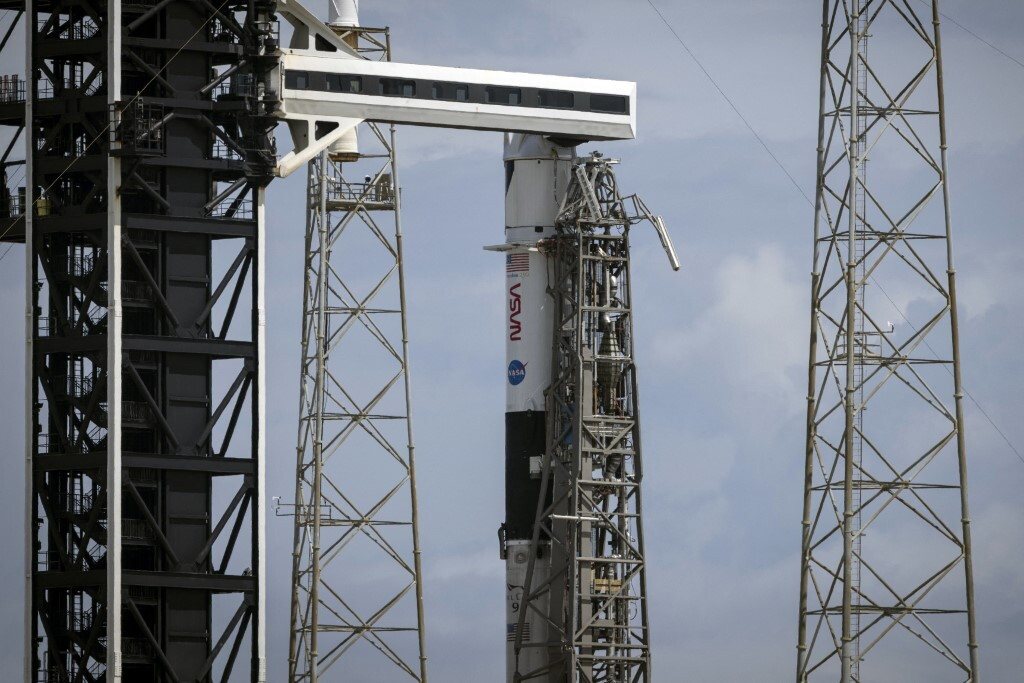
NASA's SpaceX Crew-13 mission launched to the International Space Station no earlier than 11:10 a.m. EDT on Thursday, October 1, 2026, from Space Launch Complex 40 at Cape Canaveral Space Force Station in Florida. The four-person crew rode aboard the SpaceX Dragon spacecraft named «Grace», lifted by a Falcon 9 rocket, to begin a long-duration science mission alongside the station's Expedition 75 crew.
The launch marks the thirteenth crew rotation flight conducted by SpaceX under NASA's Commercial Crew Program. The Dragon capsule «Grace» previously flew in summer 2025 for the private Axiom Mission 4. Commanding the mission is NASA astronaut Jessica Watkins, a geologist and former member of the Curiosity rover science team. Watkins becomes the first NASA astronaut to fly twice aboard a SpaceX Dragon spacecraft. Serving as pilot is NASA astronaut Luke Delaney, a former U.S. Navy test pilot and NASA research pilot making his first spaceflight. Mission specialists include Canadian Space Agency astronaut Joshua Kutryk, a former fighter pilot and experimental test pilot, and Roscosmos cosmonaut Sergey Teteryatnikov, a naval engineer on his first orbital mission.
In the days before launch, the crew completed a dry dress rehearsal on Tuesday, September 29, at Space Launch Complex 40. The astronauts spent the morning at the Neil A. Armstrong Operations and Checkout Building at NASA's Kennedy Space Center, donning spacesuits and completing air leak checks before traveling to the pad and boarding the Dragon spacecraft. The Falcon 9 rocket, with Dragon atop, had been raised vertical at the pad on Sunday, September 27.
After liftoff, the Falcon 9 will accelerate the spacecraft to approximately 28,000 km/h (17,500 mph). Once in orbit, the capsule will perform a series of automated maneuvers to dock at the forward port of the station's Harmony module, with the crew retaining the ability to take manual control if needed.
During their stay aboard the orbiting laboratory, the Crew-13 astronauts will conduct research and technology demonstrations essential for supporting future human missions to the Moon under the Artemis program and to Mars, while also improving life on Earth. Specific investigations include studying tissues derived from human stem cells to advance treatments for heart disease and Parkinson's disease, researching agricultural production in microgravity for prolonged space travel, analyzing blood flow anomalies in space, and testing new medical diagnostic devices for monitoring crew health.
Once aboard, Crew-13 will join the seven members of Expedition 75: NASA astronauts Jessica Meir, Anil Menon, and Jack Hathaway; ESA astronaut Sophie Adenot; and Roscosmos cosmonauts Pyotr Dubrov, Andrey Fedyaev, and Anna Kikina. After a brief handover period, Crew-12 members Meir, Hathaway, Adenot, and Fedyaev will return to Earth, splashing down off the coast of California pending weather conditions.
During their mission, the Crew-13 team will also welcome SpaceX's 35th commercial resupply mission, which will deliver new iROSA solar panels, and the subsequent Northrop Grumman CRS-25 commercial resupply mission. NASA's Commercial Crew Office has emphasized that the program, a partnership with American private industry, aims to provide safe, reliable, and cost-effective transportation to and from the International Space Station, opening access to low Earth orbit for more people, more science, and more commercial opportunities. For more than 25 years, humans have continuously lived and worked aboard the orbital outpost.
19