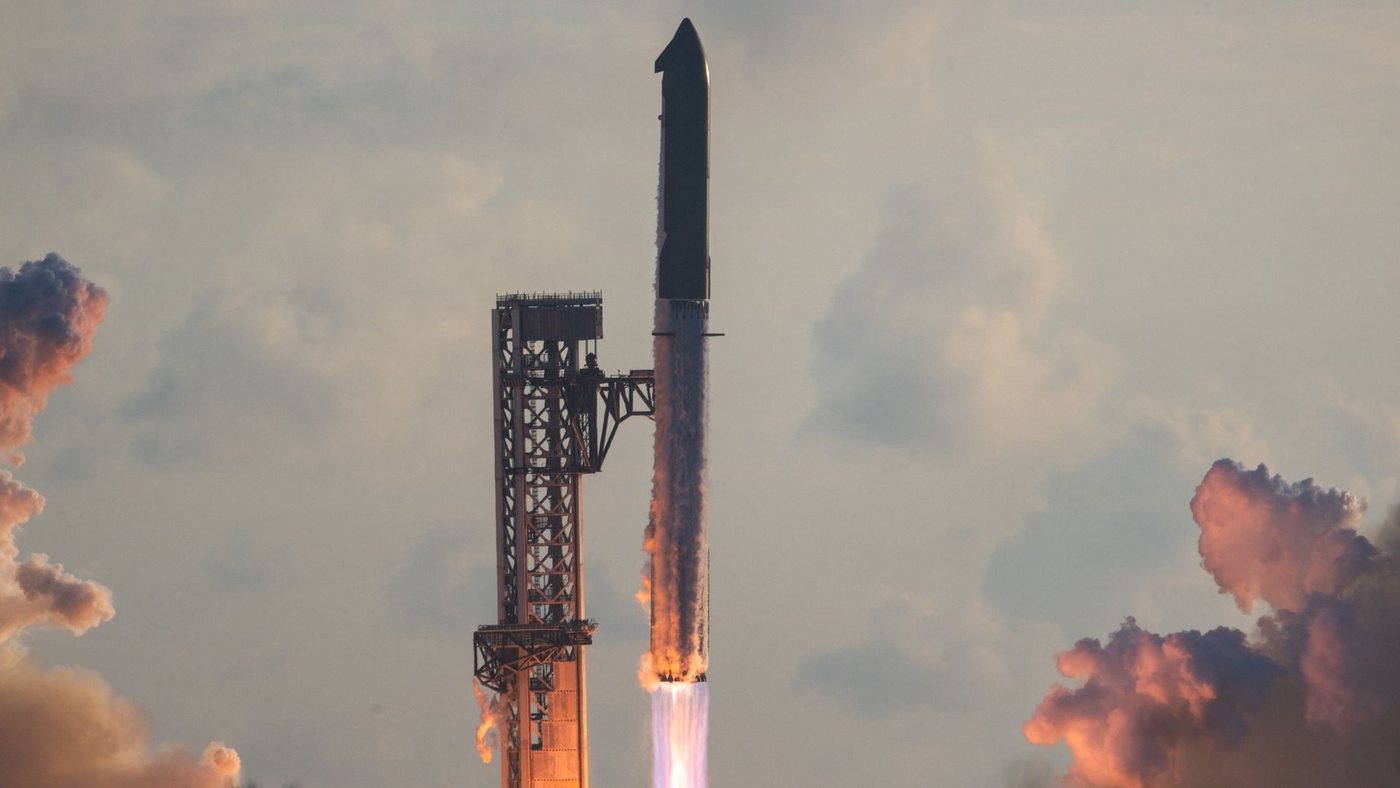
SpaceX sent its Starship rocket into Earth's orbit for the first time, a milestone flight intended to pave the way for future missions to the moon and Mars. The rocket, the largest and most powerful ever built, lifted off from SpaceX's Starbase launch facility in Texas at 7:48 a.m. local time, marking its 14th test flight and its first attempt to circle the planet before falling back to Earth.
Cheers erupted as the vehicle achieved orbital velocity, but the mission did not go entirely as planned. The flight was described as a partial success after the rocket returned early and exploded in a fiery splashdown. The launch proceeded despite initial concerns that an engine failure shortly after liftoff could scupper the attempt. The test also included rapid satellite deployments, demonstrating the rocket's capacity to carry and release payloads in orbit.
The flight represents a significant step for SpaceX's broader ambitions. Starship is designed to be fully reusable and capable of carrying crew and cargo to the moon, Mars, and beyond. Achieving orbit is a critical requirement for those missions, and the data gathered from this test will inform future iterations. The company has been iterating rapidly, with each test flight building on the last, and the 14th flight marked the first time the vehicle reached orbital velocity rather than following a suborbital trajectory.
Despite the explosive ending, the mission achieved its primary objective of reaching orbit. The early return and subsequent explosion are part of the iterative development process that SpaceX has employed throughout the Starship program. The company has consistently used test flights to identify and address technical issues, and previous flights have ended in similar fashion without derailing progress. The cause of the early return and explosion has not been detailed, but SpaceX is expected to review the data as it prepares for the next test.
The launch drew attention from space enthusiasts and industry observers alike, as Starship is central to NASA's plans for returning humans to the moon under the Artemis program. The vehicle is also intended to support commercial satellite launches and potentially point-to-point travel on Earth. The successful orbital insertion, even with the subsequent loss of the vehicle, provides valuable data on the rocket's performance during the most demanding phase of flight.
SpaceX has not announced a date for the next test flight, but the company is expected to continue its rapid cadence of launches from Starbase. The Federal Aviation Administration oversees licensing for these tests, and any anomaly typically triggers a review before the next flight. The 14th flight's outcome will be scrutinized as SpaceX works toward making Starship operational for both government and commercial customers.
The achievement places Starship among a small group of super-heavy-lift rockets that have reached orbit, and it underscores the rapid pace of development in the private space sector. For now, the company is celebrating a long-sought first while acknowledging that more work remains before the rocket can reliably carry humans and cargo beyond Earth.
29