A satellite the size of a suitcase could soon help astronomers hear the universe as it existed before the first stars ignited. The mission, called CosmoCube, will use the far side of the Moon as a shield against Earth's overwhelming radio noise to search for a faint signal from the cosmic dark ages, a period when the universe was filled with hydrogen gas and no stars yet shone.
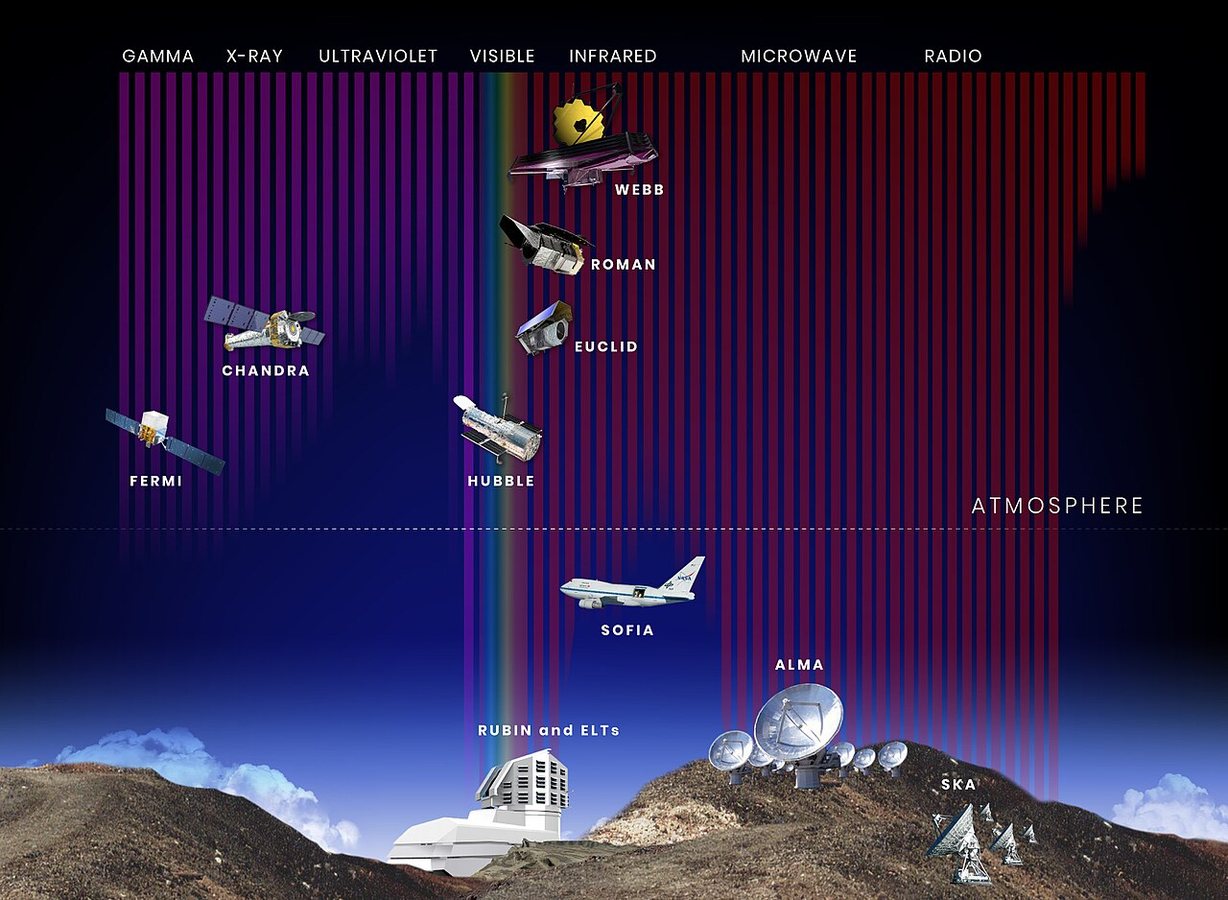
The spacecraft's goal is to detect a specific radio signal emitted by neutral hydrogen atoms in the early universe. This signal, stretched by the expansion of the cosmos into low-frequency radio waves, carries information about how the cosmic dark ages ended and how the first galaxies began to form. Because the signal is extremely weak, Earth-based radio broadcasts and other human-made interference easily drown it out. By positioning itself behind the Moon, CosmoCube can block that noise and listen to the universe in silence.
Understanding this period is central to several open questions in cosmology. The cosmic dark ages lasted from about 380,000 years after the Big Bang until the first stars formed, a few hundred million years later. During that time, the universe was dark and neutral, filled mostly with hydrogen and helium. When the first stars and galaxies appeared, their ultraviolet light began to ionize the surrounding gas, a process known as reionization. The exact timing and nature of this transition remain poorly understood because no direct observations of that era exist.
CosmoCube could also shed light on how dark matter helped build the first galaxies. Dark matter, an invisible substance that makes up most of the matter in the universe, provided the gravitational scaffolding that drew ordinary gas together. Without it, the first stars and galaxies might never have formed. By measuring the hydrogen signal, scientists hope to trace how dark matter's gravity shaped the early cosmic web and how the first luminous structures emerged within it.
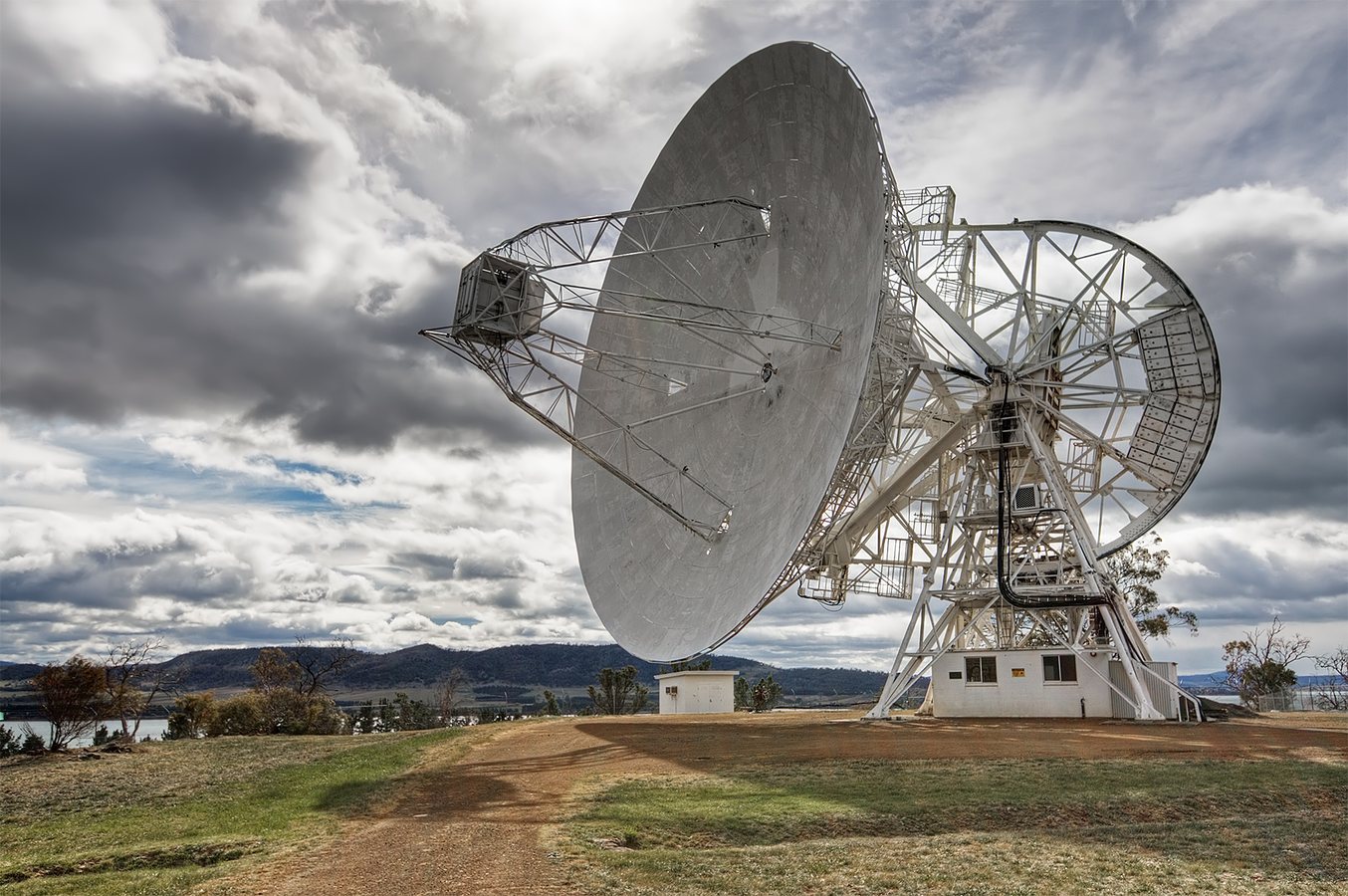
The mission's design is a significant departure from traditional radio astronomy. Instead of a large, ground-based dish, CosmoCube relies on a compact satellite that can operate in the quiet environment of lunar orbit. The far side of the Moon is one of the few places in the inner solar system free from Earth's radio chatter, making it an ideal location for low-frequency observations. The satellite's small size and relatively low cost could make it a pathfinder for future missions that use the Moon as a platform for studying the early universe.
If successful, CosmoCube would provide the first direct glimpse of the era before stars, a period that has so far been studied only through theoretical models and indirect evidence. The data could help refine models of galaxy formation, constrain the properties of dark matter, and clarify how the universe transitioned from a cold, dark void into the star-filled cosmos we see today. The mission represents a new approach to cosmology, one that listens for the faint echoes of the universe's infancy from the quietest place available.
18