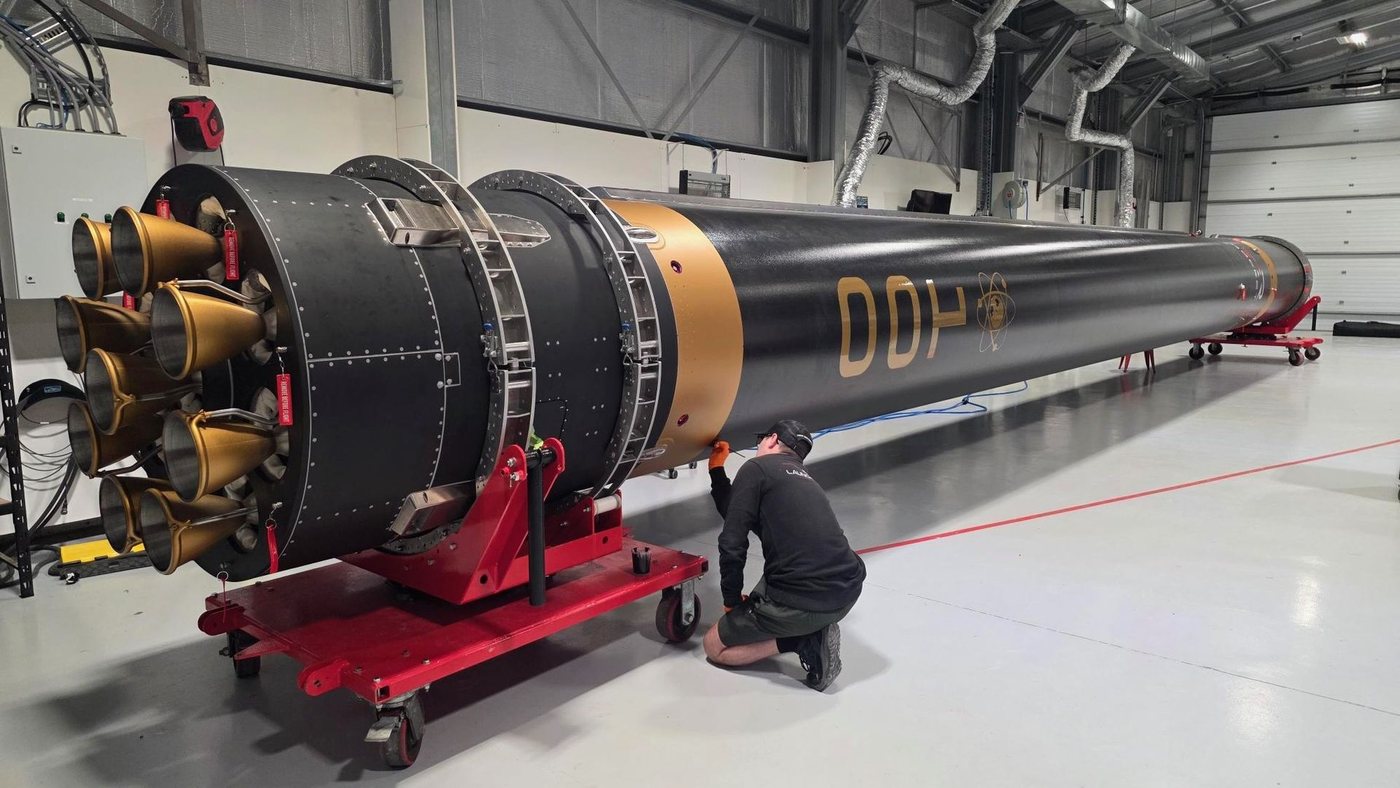
Spanish company UARX Space has flown OSSIE-D, an orbital transfer vehicle, on its maiden mission, a result the firm presents as a milestone for the country's space industry. The vehicle is a spacecraft designed to move payloads between orbits after they are released from a launcher, a role that has grown in importance as more satellites share the same rides to space.
The notable point for Spain is that the power subsystem aboard OSSIE-D came entirely from DHV Technology, meaning the electrical systems that keep the vehicle running were supplied by a single domestic partner rather than assembled from imported components. For a national industry still building its capacity to design and produce complete spacecraft hardware, that end-to-end contribution is a meaningful sign of progress.
UARX Space is based in Nigrán, in the Galicia region of northwestern Spain. Reporting on the flight has been limited, and the details available do not include the mission's orbit or a full account of how the test performed. Those specifics will be needed to judge how far the demonstration advances the company's plans for commercial work.
The flight also comes at a time when Spain is trying to strengthen its presence in the broader European space sector, where smaller firms increasingly partner with domestic suppliers to reduce reliance on foreign hardware. A successful first flight with a locally supplied power system gives UARX and DHV a concrete reference point as they pursue further missions.
Credit. Based on reporting by UARX Space for SpaceNews. Is this your work? Write to us.
50