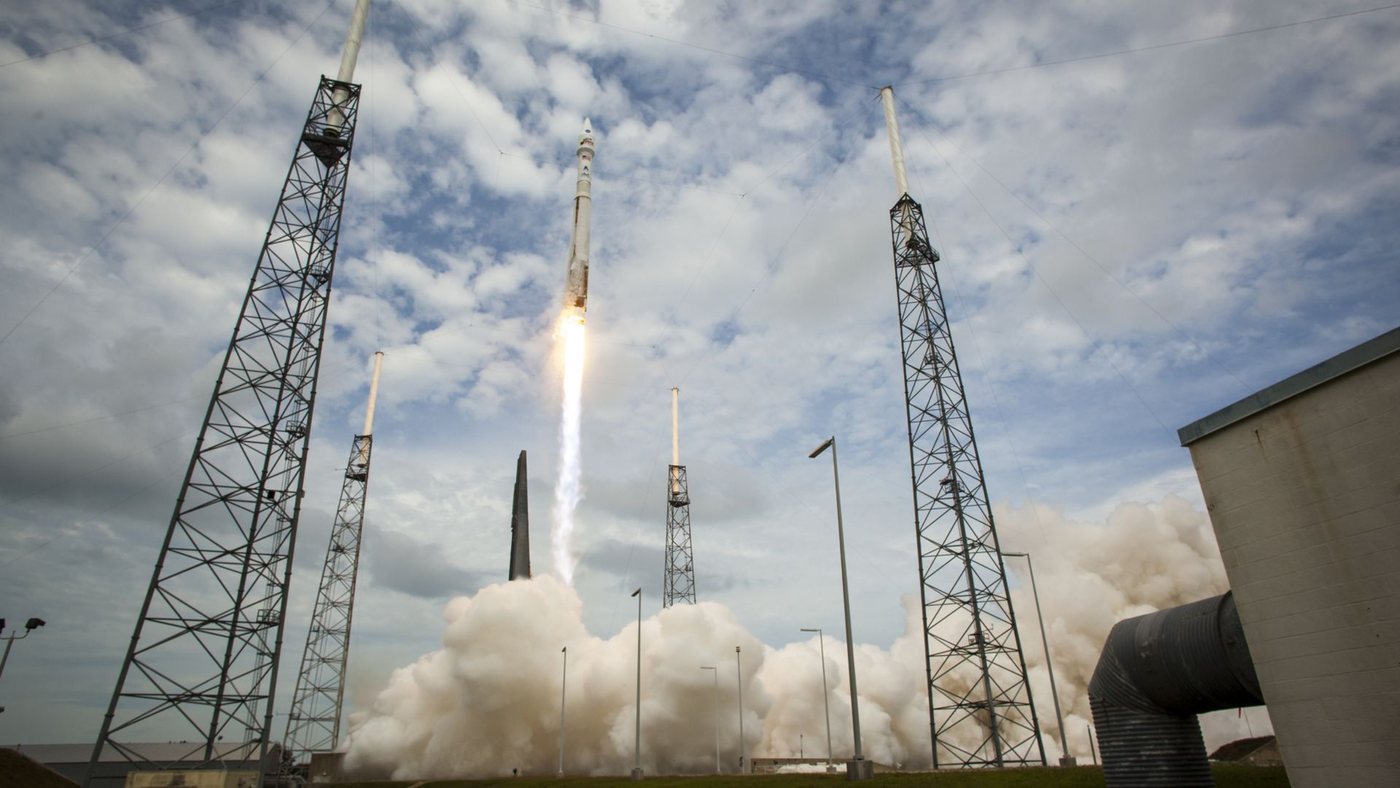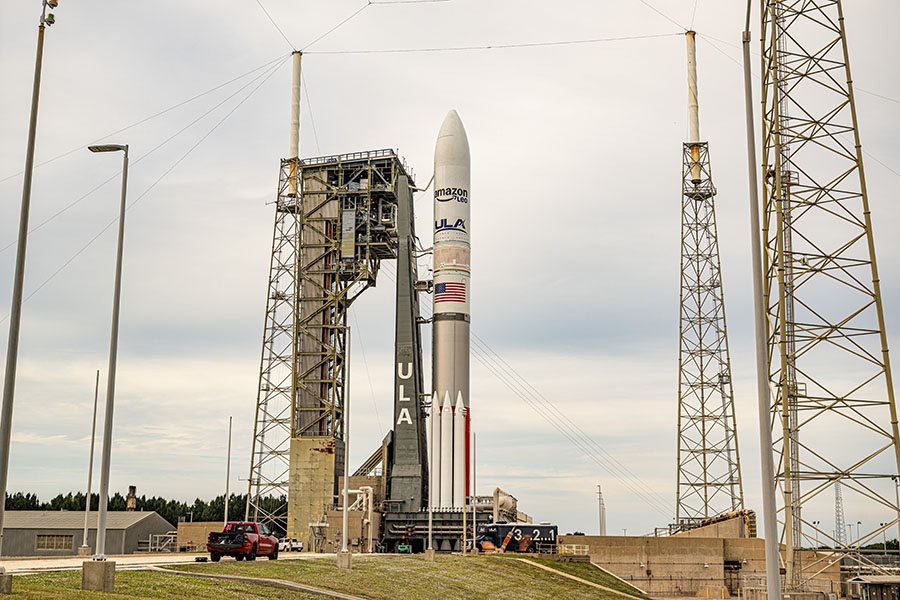
United Launch Alliance has moved the next flight of its Vulcan rocket from Friday to Saturday, November 14, with a launch window opening at 12:32 p.m. Eastern. The mission will carry 40 Amazon Leo broadband satellites into orbit, and it marks the rocket's return to flying after a run of problems.
The Friday attempt was scrubbed because of a power interruption at a nitrogen plant, and a separate network communication issue also contributed to the slip. Both problems were resolved in time to set a new target, though the schedule still depends on conditions on the day.
The flight is the first of 38 Vulcan launches that Amazon has purchased, making it an important early test of the rocket's reliability for a major commercial customer. The Vulcan configuration used for this mission includes six solid rocket boosters and a shorter Centaur upper stage. ULA has claimed a payload capacity of more than 50,000 pounds for this setup.
The rocket's record has raised questions. Two of its first four flights experienced failures involving nozzles on the solid rocket boosters. The most recent failure took place on February 12 during a Space Force mission, and the Space Force has kept its pause on using Vulcan for national security launches in place. ULA has not yet publicly identified the causes of the failures, and the investigation remains open.
The first stage of Vulcan is powered by BE-4 engines built by Blue Origin. Engine concerns have drawn attention after a New Glenn rocket exploded during a May test, an event traced to a valve in a BE-4 engine. ULA has installed a retrofit kit on the BE-4 engines used by Vulcan, and the modification was qualified through hot-fire testing.
Credit. Based on reporting by Houston Harwood for Spaceflight Now. Is this your work? Write to us.
15