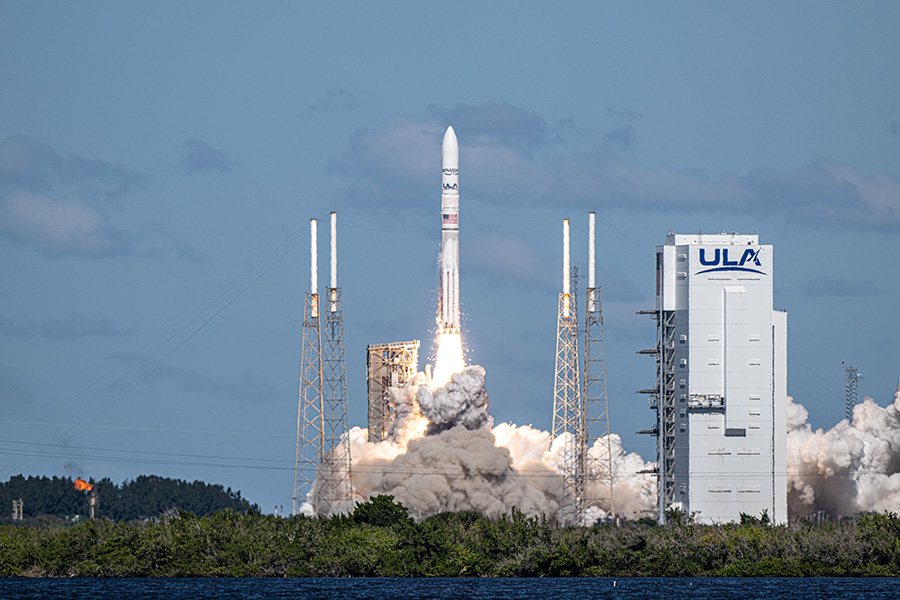
A United Launch Alliance Vulcan rocket failed about ten minutes after liftoff from Cape Canaveral Space Force Station in Florida on Sunday, November 15, and did not reach orbit. The rocket was carrying 40 Amazon Leo satellites, and all of them were lost. It marks the first complete mission failure in the history of ULA, the joint venture of Boeing and Lockheed Martin formed in 2006.
The launch was the fifth flight of Vulcan, which is designed to replace the company's Atlas 5 rocket, and the first in nine months. The vehicle has had earlier difficulties. Solid rocket booster nozzle problems surfaced in 2024 and again in February 2026. On this flight, the solid boosters built by Northrop Grumman appeared to perform normally, according to the fact notes available so far. Engineers are examining whether the first stage burned for longer than planned and whether the Centaur upper stage experienced a burn anomaly. The exact cause has not been determined.
The loss has wider consequences. Amazon Leo, the satellite internet constellation, had booked 38 Vulcan flights and needs more than 3,300 satellites in total to reach its planned coverage, so the failure removes a significant share of its near-term launch capacity. ULA has said it will conduct a transparent investigation, and a grounding of the Vulcan fleet is considered likely while the review proceeds. The U.S. Space Force, which holds national security launches on Vulcan, has also put those missions on hold pending the results.
The accident also affects the broader launch market. Blue Origin's New Glenn rocket has been grounded since an on-pad explosion in May, leaving few alternatives for heavy launches in the near term. NASA Administrator Jared Isaacman has offered assistance to ULA as the company works through the failure.
Credit. Based on reporting by William Harwood for Spaceflight Now. Is this your work? Write to us.
19