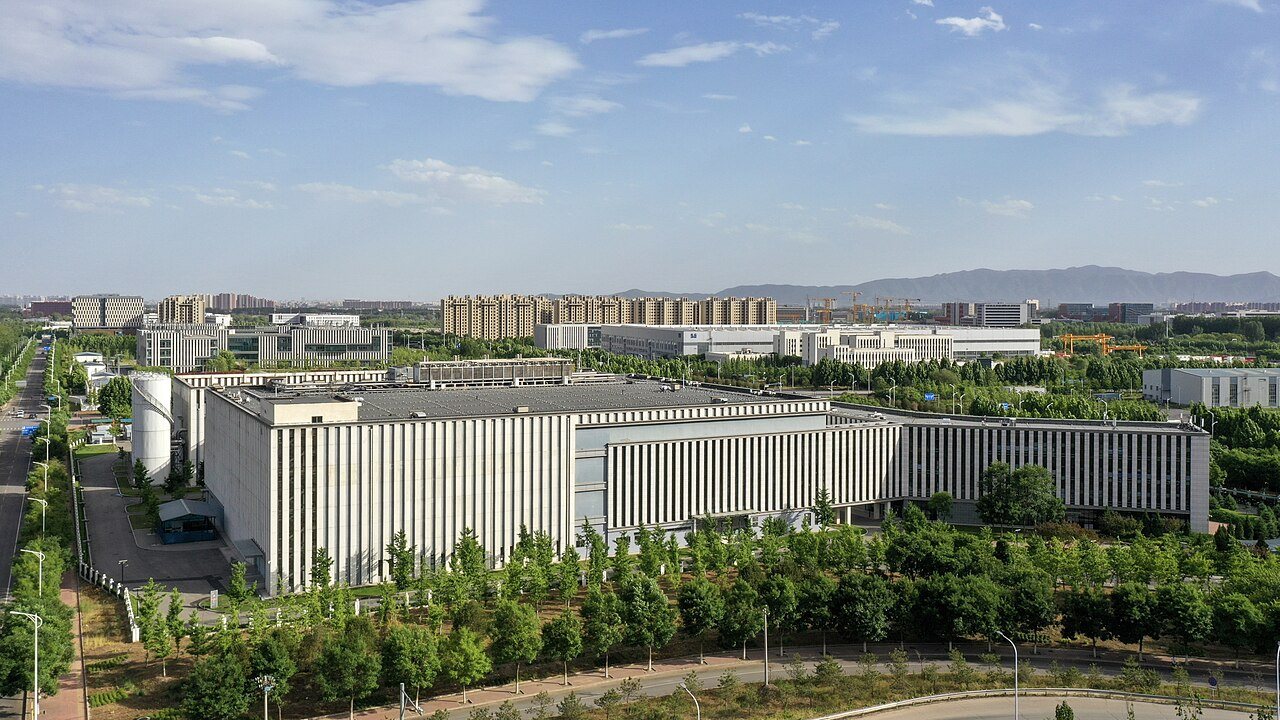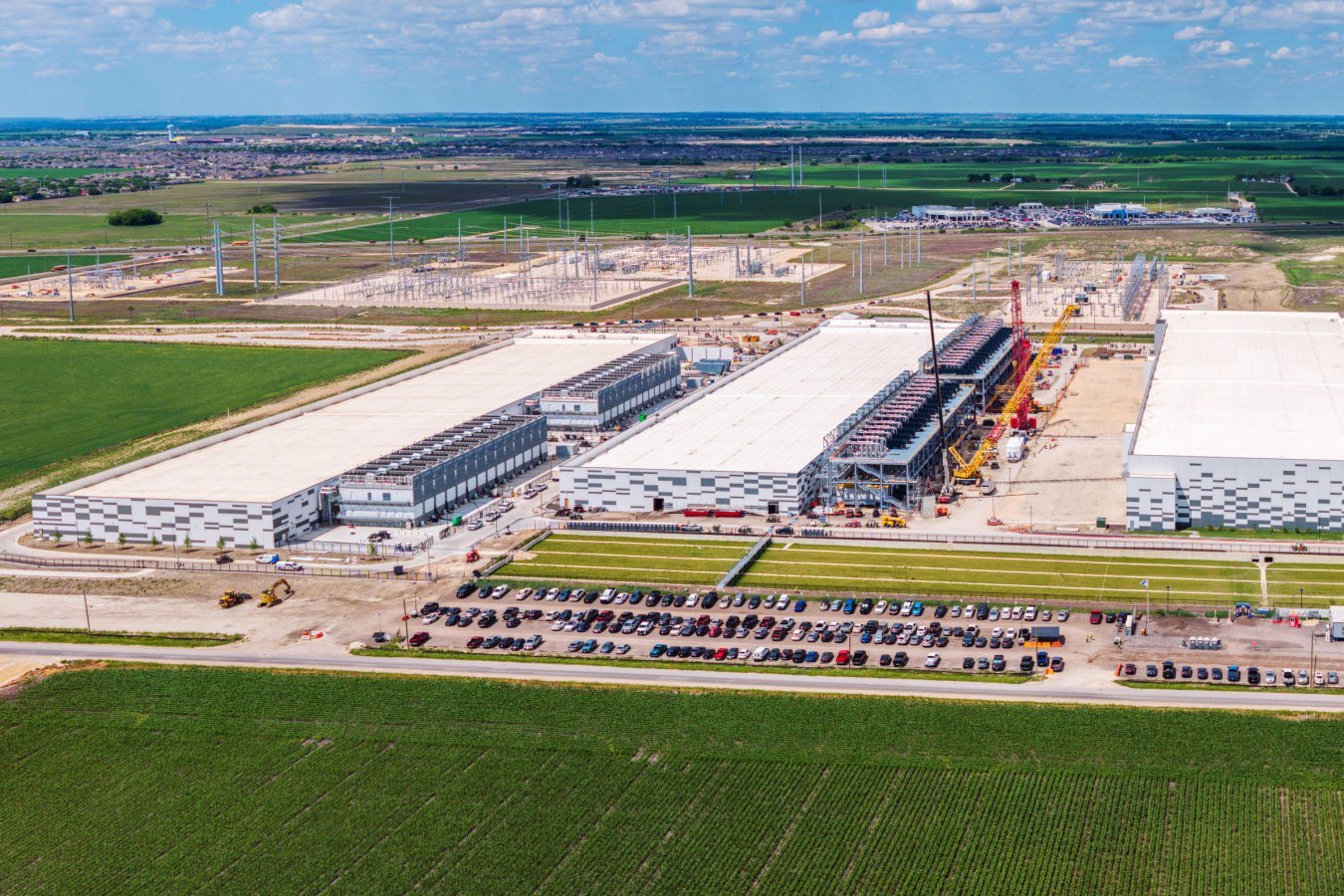
Large data centres across the United States consumed roughly 82 terawatt-hours of electricity over a one-year span, a volume that puts the industry in the same league as entire states. A study led by researchers at Harvard, covering 403 hyperscale facilities between May 2024 and April 2025, estimated that these sites account for about 1.8 percent of the country's total electricity use. The lower-bound figure is comparable to the annual consumption of Missouri, Kentucky or New Jersey, while the upper-bound estimate of 99 terawatt-hours would rival Indiana, Michigan or Washington.
The researchers also traced where that power comes from. About 54 percent of the electricity attributed to these facilities was generated from fossil fuels, which the team linked to annual carbon dioxide emissions of about 25.7 million tonnes. That is roughly the output of 67 gas-fired power plants. The findings line up with earlier estimates published by the International Energy Agency, which has likewise flagged data centres as a fast-growing source of electricity demand.
The analysis has drawn caveats. Critics point out that it leans on commercial data that is difficult to verify and on a set of assumptions that some consider too broad. The model also does not account for constraints in the electricity grid, such as how quickly new transmission capacity can be built, which means the picture of what utilities can actually supply is incomplete.
The lead researcher argued that operators should disclose more about their energy use and environmental footprint, saying that the current lack of detail makes it hard for the public and regulators to judge the true impact. That call comes as local resistance to new facilities grows. In one recent poll, 76 percent of Americans said they opposed a data centre being built in their own community.
Credit. Based on reporting by Madeleine Cuff for New Scientist. Is this your work? Write to us.
25