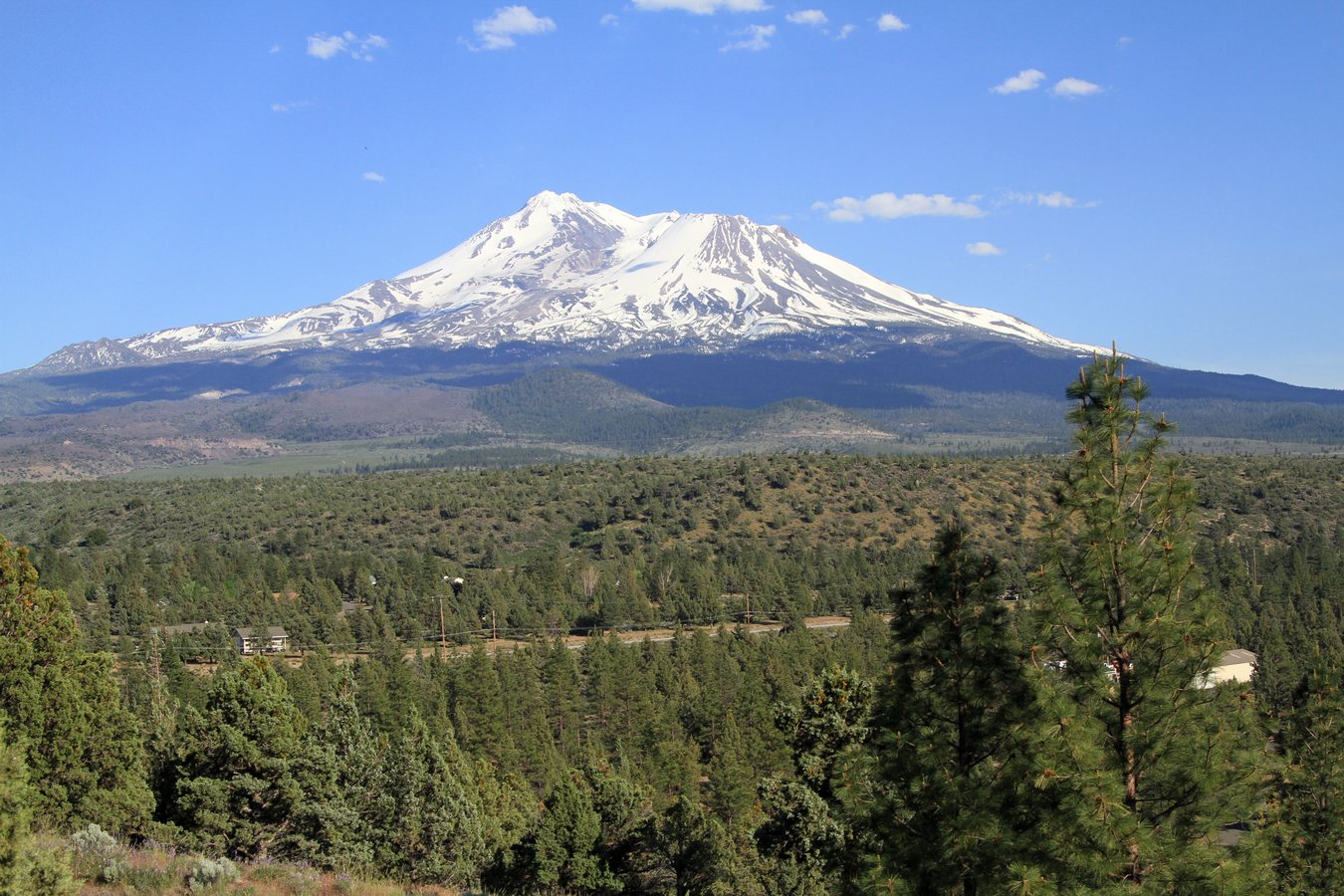
A rescue on Mount Shasta offers a clear example of what can go wrong when an artificial-intelligence recommendation is treated as an operational plan in a high-consequence environment.
Three novice climbers from Roseville, California, began a summit attempt over the weekend of Aug. 29 using route and packing advice they had gathered with heavy assistance from artificial intelligence. They expected an ascent of roughly eight hours and carried food and water accordingly. Instead, the outing stretched across several days and ended with a rescue from Mud Creek Canyon.
The group camped near 8,400 feet and left for the summit around 3 a.m. on Aug. 30. By the time Mount Shasta’s recommended noon turnaround point arrived, they had not reached the top. They continued climbing and summited at about 7 p.m., then began descending in darkness.
About an hour later they contacted Siskiyou County dispatchers for directions. They ultimately moved off the Clear Creek route into Mud Creek Canyon, where one member fell and injured his knee. The group spent the night in the drainage before U.S. Forest Service climbing rangers reached them the next morning. County search-and-rescue volunteers assisted with the return.
After the rescue, the climbers told authorities that artificial intelligence had played a major role in their preparation. The sheriff’s office called the decision to rely on it so heavily a critical mistake, saying the system had recommended far less food and water than the group required once an expected eight-hour trip became a multi-day emergency.
From a technology perspective, the important failure is not just whether an answer was factually right or wrong. Outdoor planning depends on uncertainty. A safe plan must account for slower-than-expected progress, route-finding errors, equipment failure, weather changes, injury and the possibility that a group will have to stop overnight. A response that presents one expected duration can appear precise while leaving little room for those contingencies.
The official Clear Creek guidance provides exactly the kind of local context that a generalized planning answer can flatten. The Mount Shasta Avalanche Center calls Clear Creek the mountain’s easiest nontechnical route, but also describes it as a long climb with substantial exposure. It warns that leaving the route can lead to steeper, glaciated and rockfall-prone terrain. Climbers are told to set a firm turnaround time around noon and to verify their location repeatedly.
The same guidance says that while strong climbers may complete Clear Creek in a day, many people should plan for two or even three days. That single point changes the entire risk model for food, water, clothing, shelter and battery life.
The San Francisco Chronicle reported that the group’s navigation phone later died and a backup power bank failed. That is another reminder that digital systems can fail in layers: first the information can be incomplete, then the hardware carrying the information can become unavailable.
Artificial intelligence can still be useful for organizing questions, summarizing route descriptions or building a preliminary checklist. But in safety-critical settings, the output needs external validation from current local sources and a plan for what happens when the expected timeline is wrong. The Mount Shasta rescue ended without a death. Its larger lesson is that confidence and convenience are not substitutes for uncertainty margins, redundancy and local expertise.
119