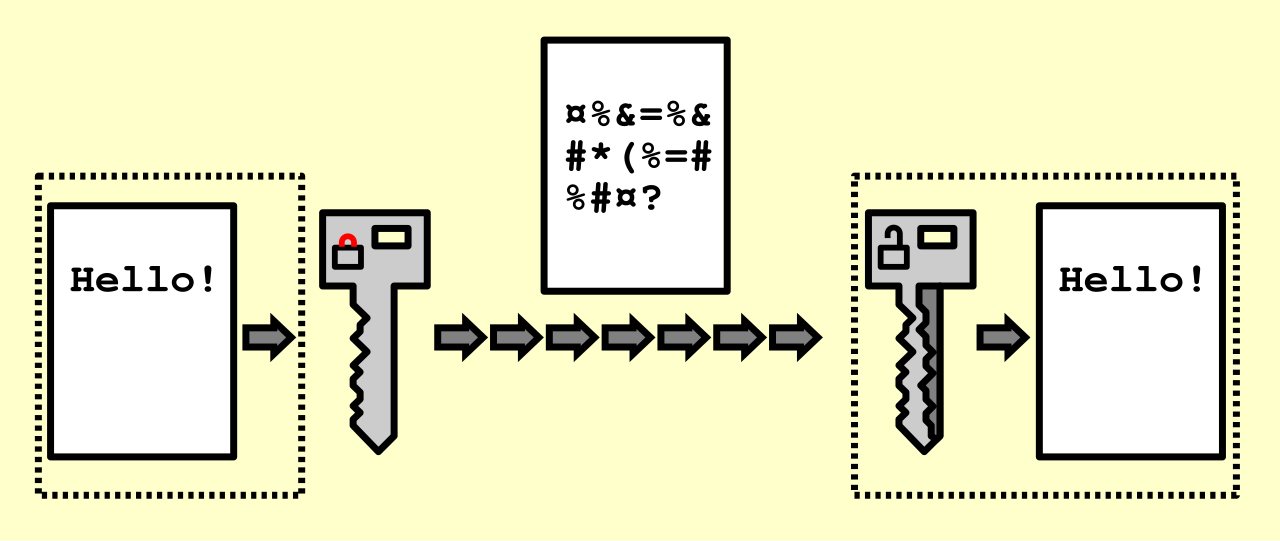
A rumored artificial intelligence breakthrough has left researchers stunned, with some describing it as a possible bombshell for the security of the internet. The claim, reported by the science journal Nature, is that AI-generated algorithms could weaken the encryption that protects online communication, commerce and banking.
Public-key cryptography sits at the core of secure digital life. It is the system that allows a shopper to enter card details on a website, a bank to verify a transaction and private messages to remain unreadable to outsiders. If a method capable of undermining that protection were proven real, the consequences would reach far beyond academic circles, touching financial institutions, businesses and ordinary users who rely on encrypted connections every day.
The available reporting, however, is thin. Nature's coverage describes the reaction within the scientific community as one of surprise, but it does not establish that any artificial intelligence method has actually broken a cryptosystem in use today. The piece does not identify the specific algorithms, the researchers or the institutions involved, and it offers no verified figures on key sizes, speed or the scope of any reported attack.
The article was published online on 26 November 2026. Because the underlying claim has not been independently verified in the material available, its credibility remains an open question. Researchers and security specialists will typically need to examine the methods, test the results and check whether they hold up under peer review before conclusions can be drawn about any real threat to encryption standards.
Credit. Based on reporting by Davide Castelvecchi for Nature. Is this your work? Write to us.
9