The human brain is one of the first organs to decompose after death, yet archaeological sites around the world keep yielding brains that have survived for centuries or even millennia. Scientists studying those rare specimens say they may finally understand the chemical trick that lets such fragile tissue escape decay. The evidence is beginning to overturn a long-standing assumption that soft tissue is almost never preserved in the archaeological record.
The puzzle is an old one. The brain is roughly three-quarters water and is packed with fats, proteins, and enzymes. After death, those enzymes begin breaking the organ down from within, while bacteria and scavengers finish the job. Under normal conditions, almost nothing is left. But researchers have documented thousands of exceptional cases in which brain tissue remained intact for hundreds or even thousands of years. Such finds have come from environments as different as Arctic permafrost, desert sands, peat bogs, crypts, and ancient shipwrecks.
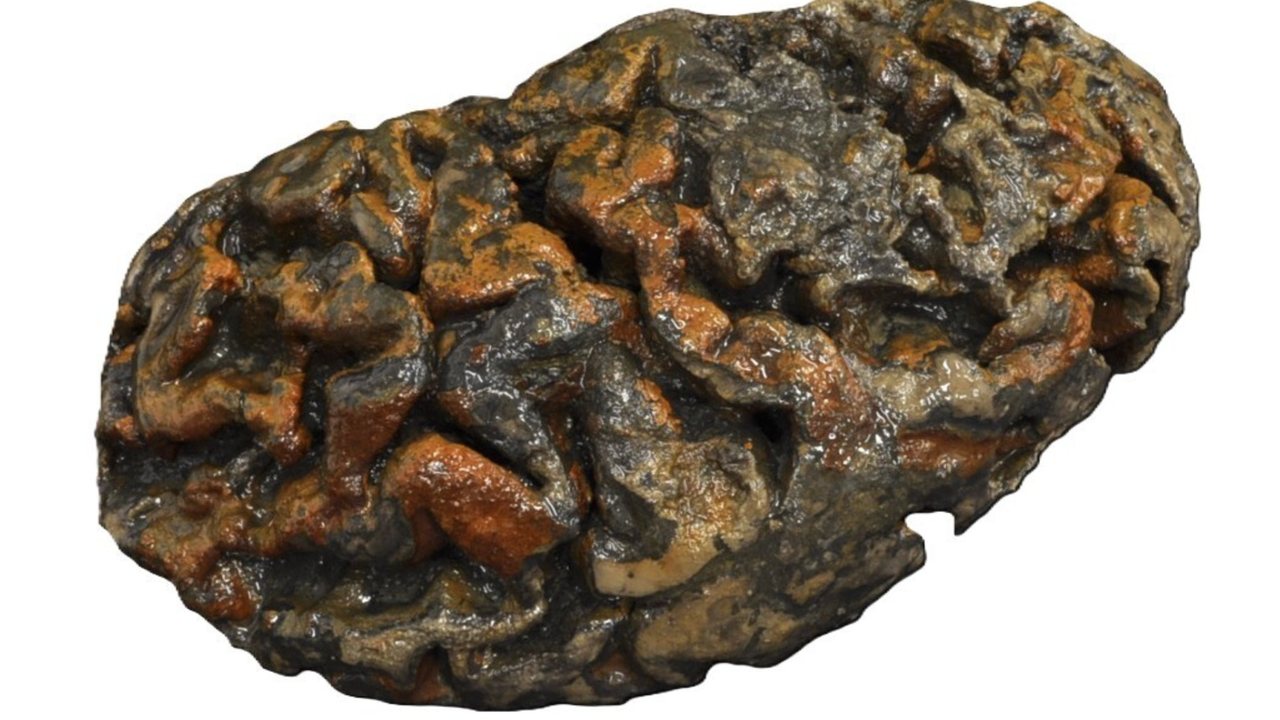
What makes these brains so unusual is not simply the setting. Many preserved brains are shrunken, brown, or soapy masses rather than lifelike organs, and some are the only soft tissue left from a skeleton. A growing body of research suggests that the brain can effectively embalm itself through chemical reactions that happen after death. Iron, which is naturally abundant in brain tissue, may play a central role. Scientists suspect that iron can react with the brain’s fats and proteins to form tough, cross-linked compounds that resist the enzymes and microbes normally responsible for decay.
The process may be similar to well-known reactions in food chemistry, in which sugars and proteins combine under certain conditions to form dark, durable substances. In living tissue, such reactions are associated with aging and disease, but after death they may act as a kind of natural preservation. The result could be a stable structure that survives long after other organs have vanished. This may help explain why some brains remain identifiable inside skulls that otherwise contain nothing but bone.
Preservation is not a single process. Freezing, drying, tanning in acidic peat, and the formation of fatty, soap-like substances in wet environments can all protect tissues in different ways. But the chemically preserved brains appear to represent a distinct category, one that may occur more readily in the brain than in other organs because of the organ’s unusual mix of lipids, proteins, and metals. That combination may make brain tissue uniquely prone to forming the stable molecular networks that resist breakdown.
The implications reach beyond archaeology. If ancient brains can survive in better condition than once believed, they may hold valuable biological information, including traces of old proteins, DNA, and possibly signs of disease that affected people in the past. Studying these specimens could also shed light on how protein aggregation works in the human brain, a question of direct relevance to modern neurological conditions. Understanding how natural chemical processes stabilize brain tissue might, in time, inform research on tissue preservation in medicine.
Researchers caution that much remains unknown. The exact conditions that allow some brains to survive while others disappear are still being mapped, and laboratory experiments will be needed to test the proposed mechanisms. But the growing collection of preserved brains is changing the way scientists think about decay and durability. The brain, it seems, does not always rot.