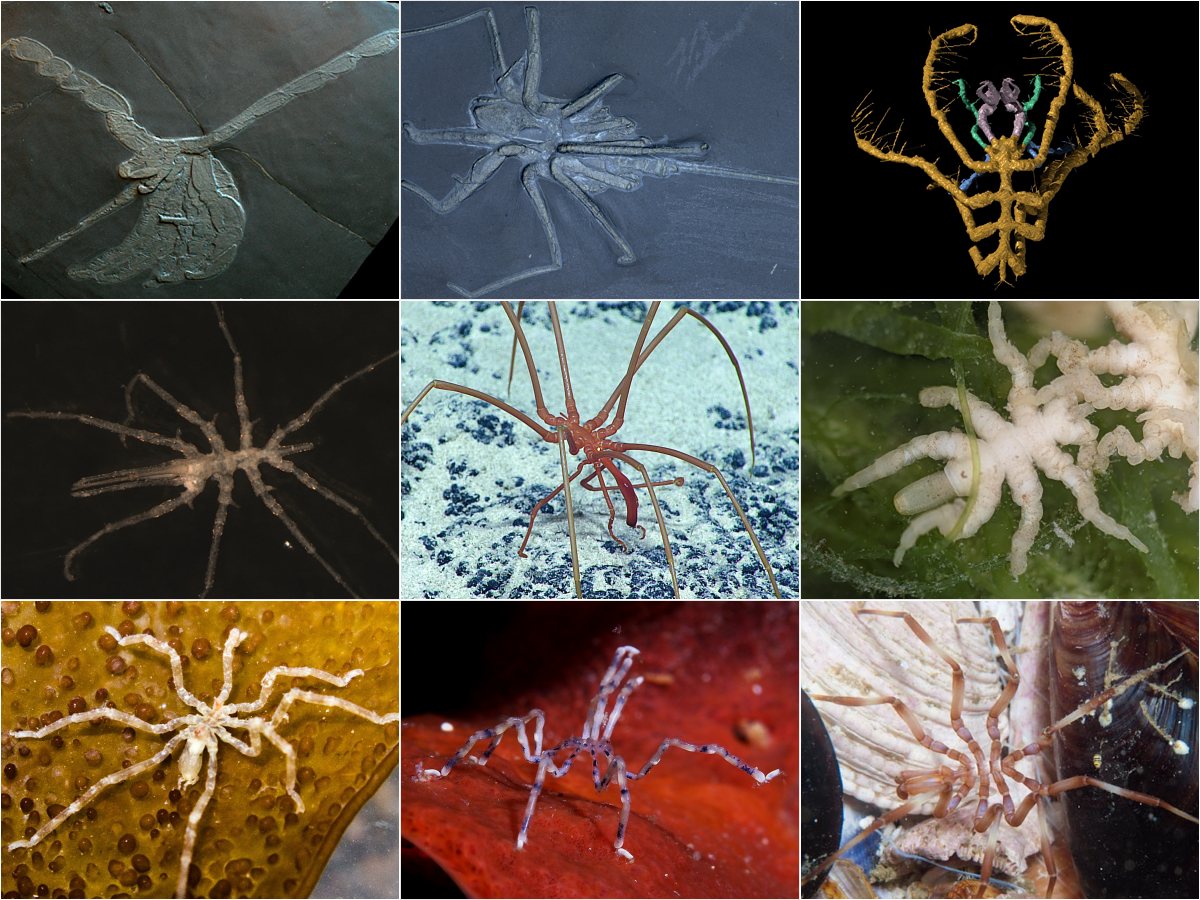
Scientists have discovered two new species of sea spiders in the Salish Sea, a biologically rich inland waterway along the Pacific Northwest coast, including one with hairy legs, red eyes, and comb-like appendages it uses to groom itself. The second species is frequently covered in tiny parasites, a striking feature that sets it apart from its relatives.
The discovery adds to the growing catalog of marine life in a region already known for its exceptional biodiversity. Sea spiders, which belong to the class Pycnogonida, are not true spiders but marine arthropods found in oceans worldwide, from shallow coastal waters to the deep sea. They typically have long, thin legs and small bodies, and many species remain poorly understood because they are small, cryptic, and difficult to sample.
The newly identified species were found during surveys of the Salish Sea, a network of coastal waters spanning the border between Washington State and British Columbia. The hairy-legged species, with its distinctive red eyes, uses specialized comb-like structures on its appendages to clean itself, a behavior that researchers describe as unusual and noteworthy. The second species is often found covered in tiny parasitic organisms, a condition that may offer clues about its ecology and interactions with other marine life.
Researchers say the discovery is likely just the beginning. Many more sea spider species may still be hiding in the region, awaiting detection. The Salish Sea has been the subject of extensive marine research, yet its smaller and less conspicuous inhabitants often escape notice. The two new species underscore how much remains unknown about marine biodiversity even in relatively well-studied waters.
Sea spiders play a role in marine food webs, though their exact ecological functions are still being investigated. They feed on soft-bodied invertebrates such as sea anemones and hydroids, using a proboscis to suck nutrients from their prey. Their presence can indicate the health of benthic communities, making them valuable subjects for monitoring environmental change.
The discovery of the parasite-covered species also raises questions about host-parasite relationships in the marine environment. Tiny parasites attached to the sea spider's body could affect its behavior, reproduction, or survival, though such interactions are rarely documented in detail. Further study could reveal whether the parasites are specific to this species or more widespread among sea spiders in the Salish Sea.
Taxonomists will now work to formally describe the two species, a process that involves comparing their physical characteristics with those of known relatives and publishing the findings in a peer-reviewed journal. Once described, the species will receive scientific names and be added to global biodiversity databases, helping researchers track their distribution and conservation status.
The Salish Sea is home to thousands of marine species, including orcas, salmon, and a vast array of invertebrates. Yet human activities such as shipping, coastal development, and pollution continue to pressure the ecosystem. Documenting new species is a critical step toward understanding what lives there and how best to protect it.
For now, the two sea spiders serve as a reminder that discovery can happen close to home. As researchers continue to comb through the region's waters, more surprises may be waiting — perhaps even more species with unusual traits that challenge assumptions about how marine life evolves and survives.
12