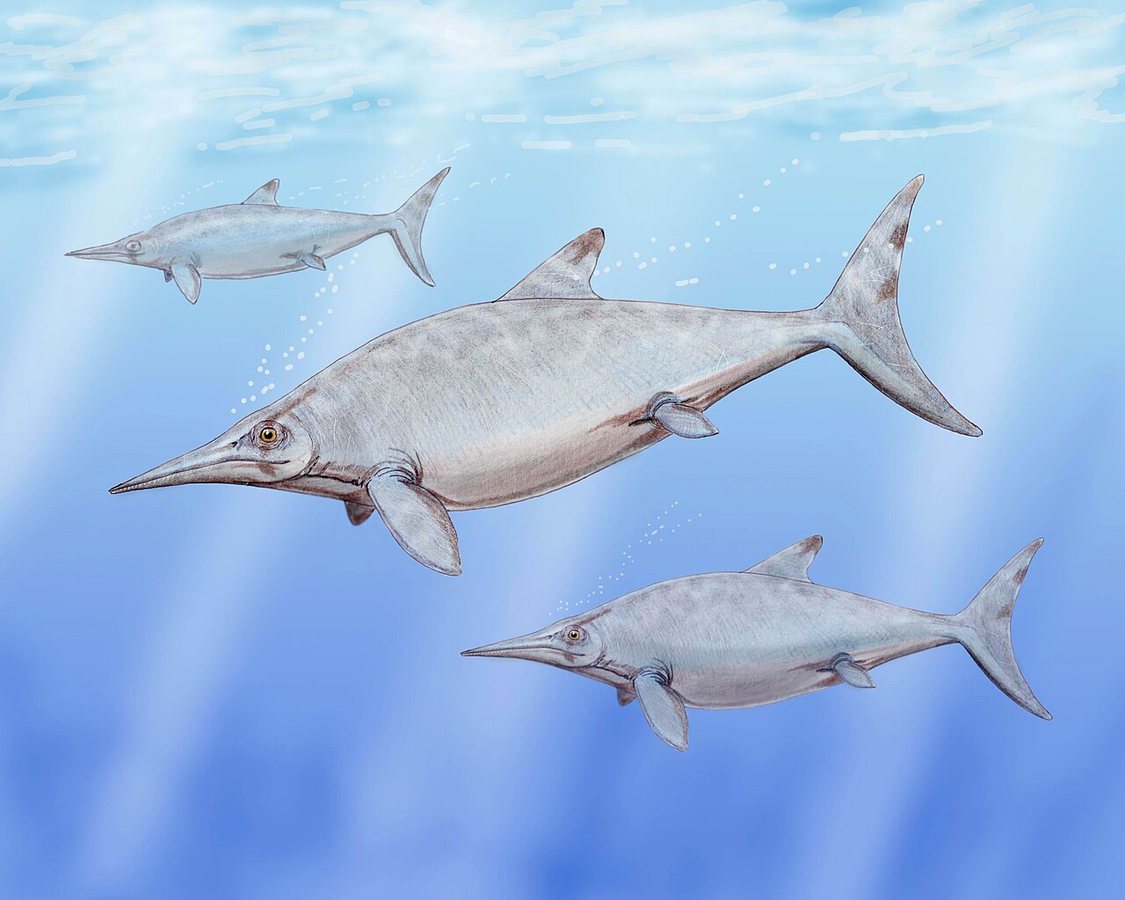
Researchers have uncovered a rich ancient marine ecosystem in Colombia, where giant reptiles, sharks and other predators once thrived. The fossil find offers a rare window into the ocean life of a distant past and points to a surprising way that major changes in life on Earth may have unfolded.
The team found that older evolutionary groups were already dwindling in this ancient sea, while newer groups were emerging to take their place. The researchers have named the pattern the Biotic Inflection. According to their interpretation, it describes large transformations in life that occurred without the mass extinctions usually invoked to explain such shifts.
That idea challenges prevailing views of how major evolutionary change takes place. Many scientists have linked turning points in the history of life to sudden catastrophes that wiped out large numbers of species. The Colombian evidence suggests that significant reorganization of marine communities could instead unfold gradually, as established lineages decline and new ones rise within the same ecosystem.
The findings were published on ScienceDaily in November 2026, summarizing the researchers' work. Because the discovery rests on a single fossil site, it will likely draw further study from paleontologists who can test whether the same pattern appears in other ancient marine deposits.
Credit. Based on reporting for ScienceDaily. Is this your work? Write to us.
28