Agricultural biotechnology could help reduce the climate and biodiversity damage caused by the global food system, according to a feature published by the science journal Nature on 11 November 2026. The piece argues that tools long viewed with suspicion by many environmental scientists now deserve a place in efforts to limit climate change.
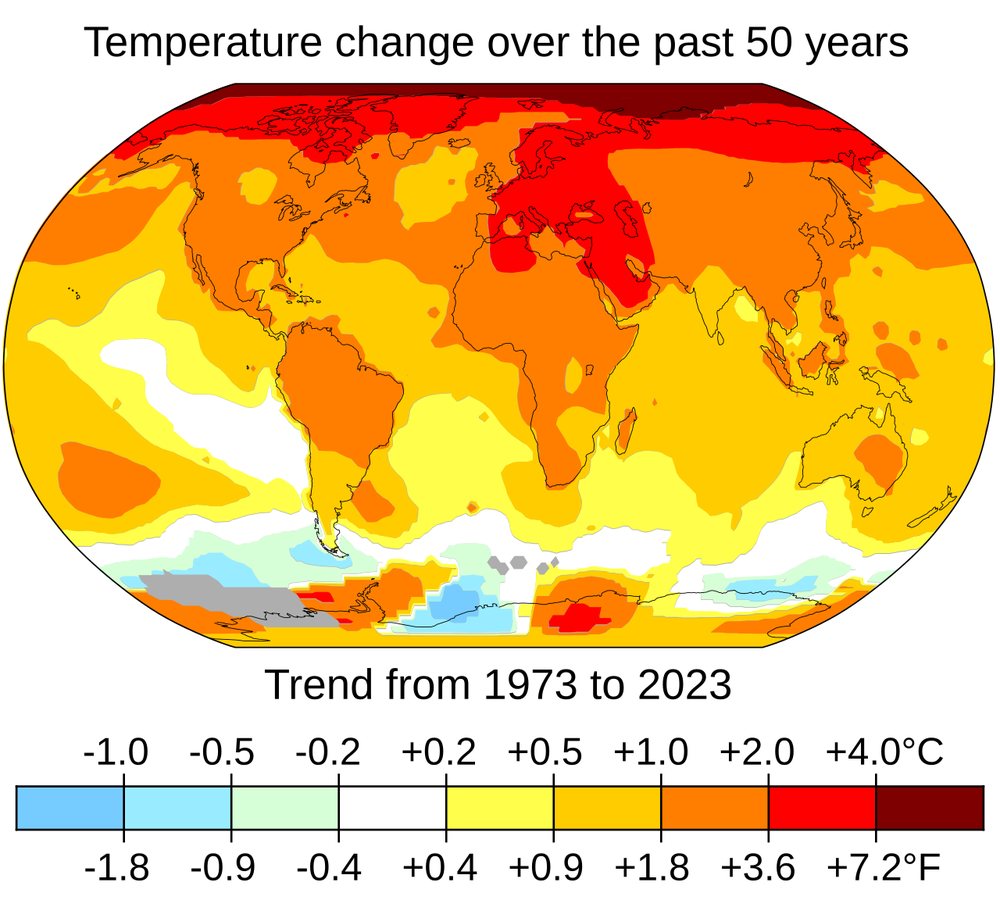
Food production is among the largest sources of greenhouse gas emissions and a major driver of habitat loss, which makes it a central concern for climate and conservation researchers. The article frames biotechnology as a potential route to producing more food from the same land, and with fewer inputs, than conventional approaches allow.
The authors note that attitudes within the environmental community are shifting. Where biotech was once seen as opposed to ecological goals, it is increasingly being considered as a possible ally. That change in perspective is central to the argument that the technology could be part of the solution rather than a source of concern.
The excerpt available for this report does not specify which technologies are involved, quantify how much emissions could be cut, or describe the regulatory and adoption barriers that would shape how quickly any such gains could be realized. Those questions, along with examples and the uncertainties the authors acknowledge, are addressed in the full article.
Credit. Based on reporting for Nature. Is this your work? Write to us.
10