Wetlands are gaining attention as a practical weapon in the fight against climate change, and a global campaign to restore them is putting them at the center of that argument. Organizers describe these waterlogged landscapes as a "soggy secret weapon" against warming, a label meant to capture how much carbon they can hold and how often they are overlooked in climate planning.
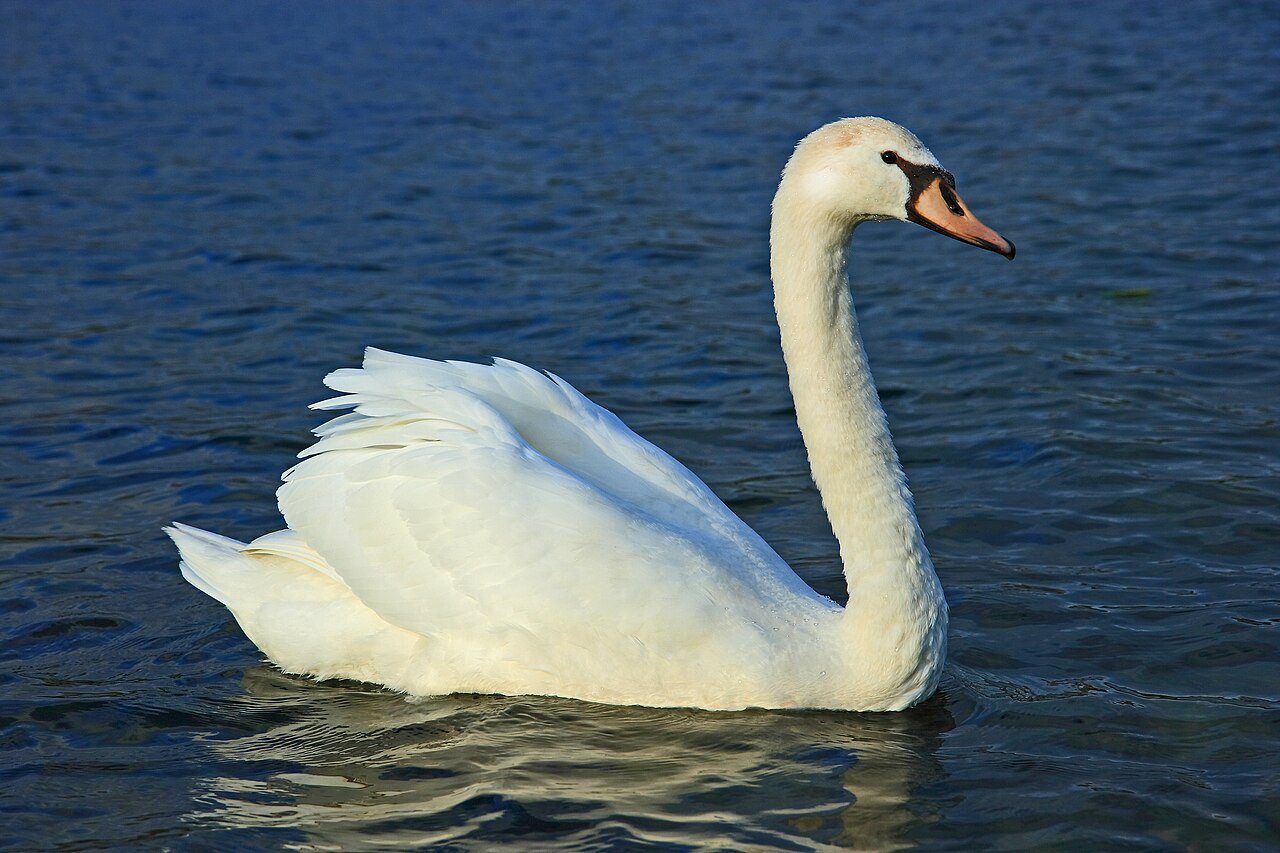
The campaign uses a swan sanctuary wetland as its featured example. The site shows how returning drained or degraded land to wet conditions can support wildlife while contributing to efforts to cut the greenhouse gases driving rising temperatures. The reporting behind the campaign offers only a brief summary, so details such as the size of the site, its exact location and figures for the carbon it stores were not provided.
The push arrives as world leaders prepare for the UN climate summit, known as Cop31, which is being held in Turkey this week. Ninety-one heads of government are scheduled to attend the talks. Doubts remain, however, about how much the annual negotiations can deliver, and many environmental advocates argue that concrete projects on the ground, such as wetland restoration, matter as much as the diplomatic process.
The climate backdrop is also shifting. Fossil fuel prices rose after a war involving Iran, and the higher costs pushed some emissions down this year. Such a drop reflects economic pressure rather than deliberate policy, and experts caution that it does not replace sustained reductions. Against that uncertain picture, wetland restoration offers a route that combines habitat protection with carbon storage, and the campaign aims to bring that option into mainstream climate policy.
Credit. Based on reporting by Dave Harvey for BBC Science and Environment. Is this your work? Write to us.
17