More than 1,600 weedy and leafy sea dragons, 1,400 pipefishes and 160 seahorses washed up along South Australia's coastline during a devastating harmful algal bloom, in what ecologists describe as the worst mass mortality event for the fish family anywhere in the world.
The figures come from an analysis of citizen scientist records compiled by Dragon Search SA, a monitoring program that tracks sightings and strandings of sea dragons and their relatives. Thousands of the animals died as the algae spread along the state's coast, leaving a toll that researchers say is unprecedented in scale for this group of fishes.
Sea dragons are found only in Australian waters and are closely related to seahorses and pipefishes, all of which belong to the family Syngnathidae. Weedy and leafy sea dragons are among the country's most recognizable marine species, known for the leaf-like appendages that camouflage them among seaweed and seagrass. Their limited distribution and slow reproduction make populations especially vulnerable to sudden environmental shocks.
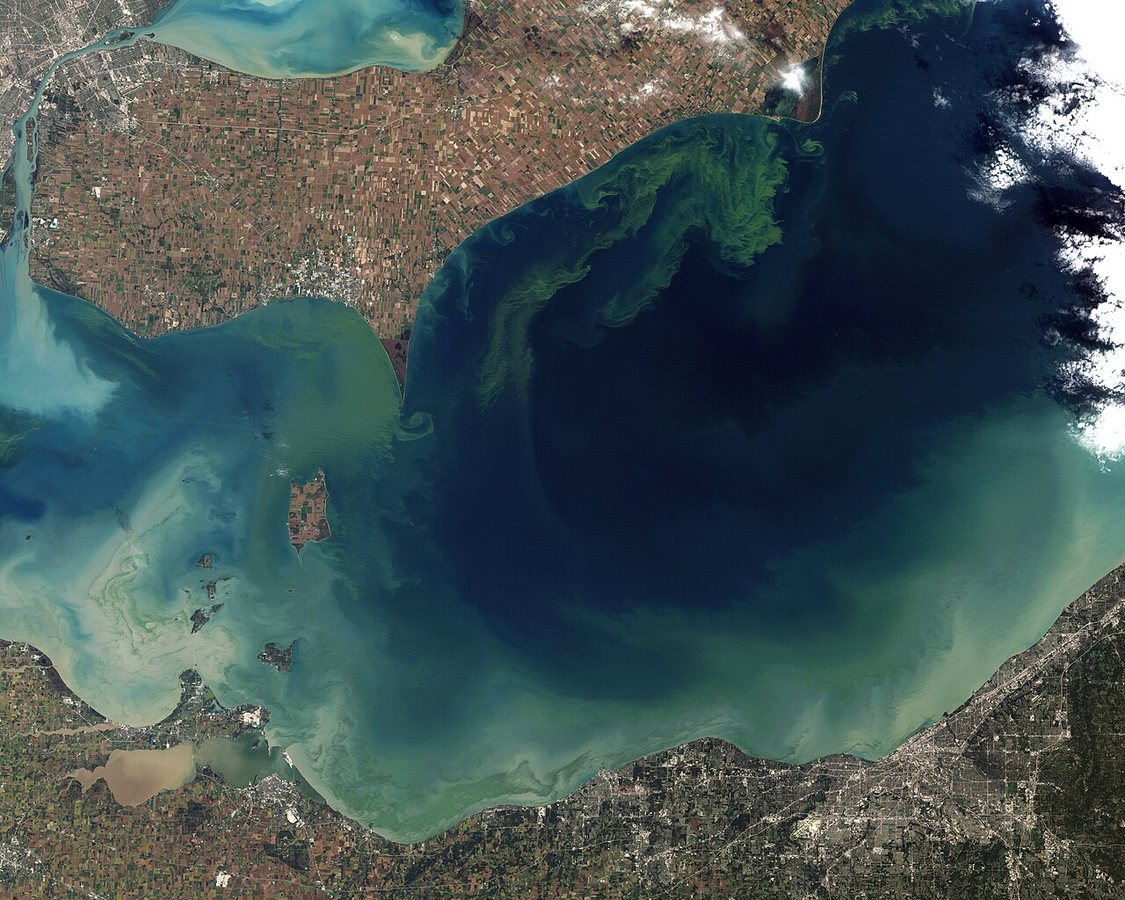
The mass stranding event unfolded as a harmful algal bloom expanded along the South Australian coastline. Such blooms occur when algae grow out of control, often in response to nutrient enrichment, warming water or shifting ocean conditions, and they can produce toxins or strip oxygen from the water. In this case, the bloom coincided with the deaths of thousands of syngnathids, which washed ashore where they were recorded by volunteers.
Dragon Search SA relies on members of the public to report sightings of sea dragons and related species, building a long-term picture of where the animals live and how their populations change. That volunteer network proved essential to quantifying the scale of the die-off, because the strandings stretched across a wide stretch of coastline that professional survey teams could not cover alone.
Ecologists quoted in coverage of the event called the outcome «mind-blowing», reflecting both the sheer number of animals lost and the speed with which the deaths occurred. The loss of more than 1,600 sea dragons is particularly significant because these fish are already under pressure from habitat degradation, pollution and other human impacts. Losing such a large share of the population in a single event could set back conservation efforts for years.
The die-off also affected pipefishes and seahorses, which share the same habitats and ecological roles. Pipefishes and seahorses are less charismatic than sea dragons but equally dependent on healthy seagrass meadows, kelp beds and coastal waters. Their deaths suggest the bloom's effects rippled across the broader marine community rather than targeting a single species.
Harmful algal blooms have become more frequent and intense in many parts of the world, and scientists link their spread to a combination of nutrient runoff from agriculture and urban areas, rising sea temperatures and changing ocean circulation. South Australia's bloom is the latest example of how these events can translate into sudden, large-scale losses of marine life.
For conservation managers, the challenge now is to assess what remains of the affected populations and whether recovery is possible. Sea dragons do not disperse widely and produce relatively few young, so rebuilding numbers after such a severe blow is likely to be slow. Continued monitoring through citizen science programs will be central to tracking any recovery.
The event has also drawn attention to the value of volunteer-collected data in documenting environmental disasters. Without the records gathered by Dragon Search SA, the true scale of the mortality might have gone unmeasured, leaving policymakers and researchers without a clear picture of the damage.
Researchers say the findings underscore the need to address the underlying drivers of harmful algal blooms, including nutrient pollution and climate-related changes in ocean conditions. For a species found nowhere else on Earth, the stakes are especially high.