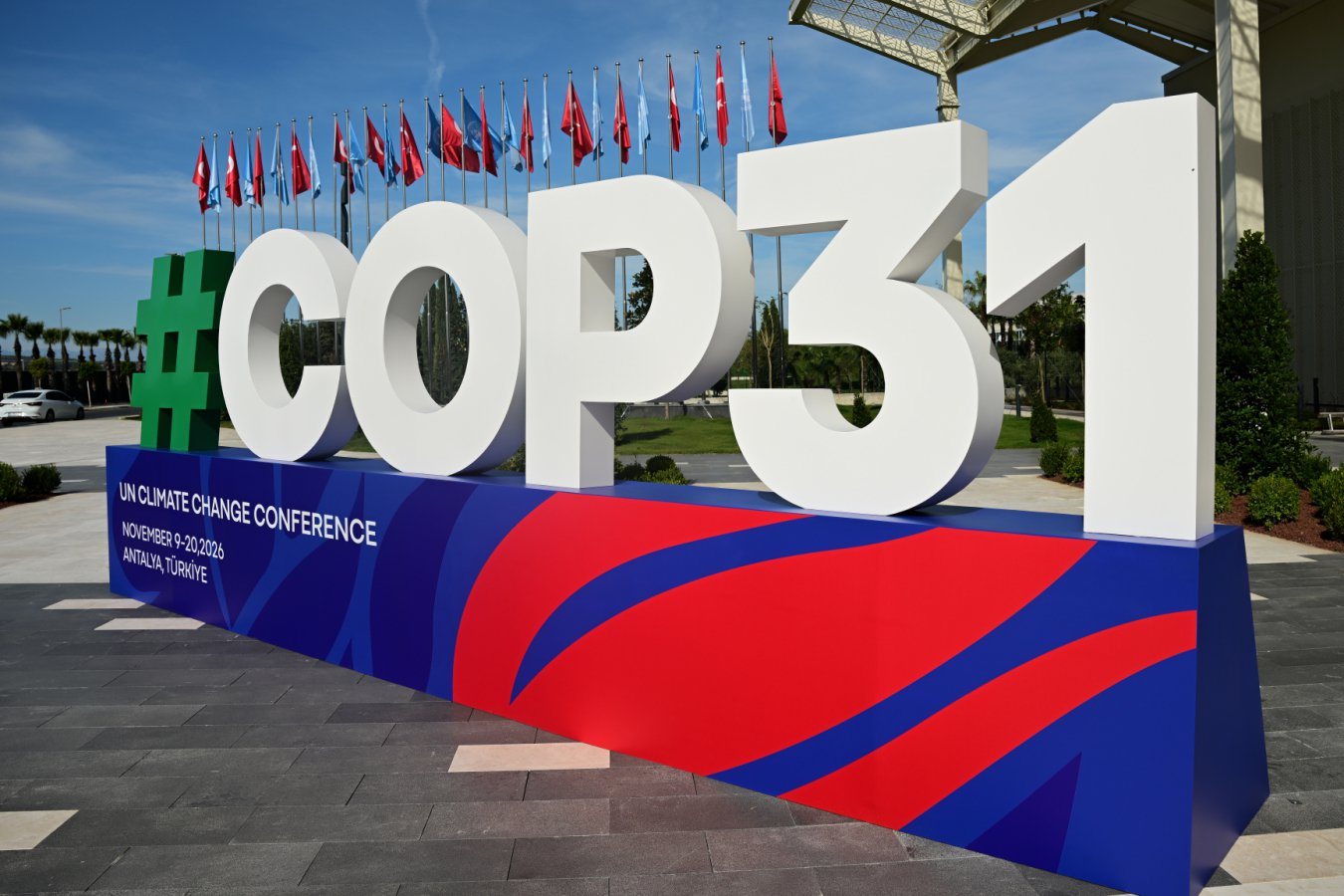
The UN COP31 climate summit opens in Antalya, Turkey, on 9 November, and expectations for the two-week meeting are modest. Critics argue the annual talks are struggling to deliver, and the mood surrounding the hosts suggests a largely business-as-usual gathering rather than a breakthrough.
The summits produced the Paris Agreement in 2015, the treaty under which nations pledged to hold warming to well below 2°C and as close to 1.5°C as possible. Since then, the process has shown weaker results. Critics say the meetings are no longer fit for purpose, hampered by the need for unanimous consensus on all decisions and uncertain direction now that the legal treaty work is complete. Last year's COP30 summit in Belém, Brazil, ended with delegates agreeing only to remain united behind the Paris Agreement. After two weeks of difficult talks, they failed to agree on fresh commitments to move away from fossil fuels or to end deforestation.
Global conditions give the talks an urgent backdrop. Global emissions are still not falling, and the world is on track for 2.8°C of warming by the end of the century, far from the goals set under Paris. This year's extreme weather, including glacier collapses, severe heatwaves and wildfires, has underlined the stakes. A strong El Niño now under way in the Pacific is a further reminder of what warming beyond 1.5°C could mean in practice.
Much of the COP31 agenda will be devoted to unfinished business from Belém rather than new declarations. Negotiators agreed there to create a just transition mechanism, described variously as a platform, a hub or a work programme, intended to support workers and communities affected by the shift to a cleaner economy. Work on how it will operate in practice has barely begun. Countries also agreed to triple adaptation finance for lower-income nations by 2035, helping them cope with climate impacts, but the commitment lacks a baseline year and does not specify who should contribute or what forms of finance would count.
Gareth Redmond-King of the Energy and Climate Intelligence Unit, a UK climate and energy think tank, said developing countries and civil society will expect visible progress on these areas. "These are all big, kind of chunky areas where you know there will be strong expectation from developing countries and civil society that there is progress made," he said.
One of the most significant disappointments from Belém was the failure to commit to road maps for moving economies away from oil, gas and coal. More than 80 nations backed the idea, but the final text did not mention fossil fuels at all. Countries that supported the approach met in Santa Marta, Colombia, in April and jointly pledged to draw up transition plans. So far, only France has produced anything close to a fully fledged road map. Some countries may announce plans on the sidelines of COP31, but it is unclear whether any major fossil fuel economies will do so. The road map idea is unlikely to enter the formal COP agenda this year, even as a global oil crisis triggered by the closure of the Strait of Hormuz strengthens the case for clean energy.
Instead, the hosts are promoting electrification as the main route away from fossil fuels. Turkey has proposed an electrification target under which countries would commit to electrifying 35 per cent of annual energy consumption by 2035, up from about 23 per cent today. It remains unclear whether the target would be a voluntary pledge or something the hosts will seek to have universally agreed in the main negotiations.
Source: newscientist.com
11