A personalized mRNA cancer vaccine, added to standard immunotherapy, has shown encouraging results in patients with a high risk of melanoma recurrence. Interim data from the randomized controlled trial were announced at the conference of the European Society for Medical Oncology, ESMO.
The study involved 1,137 patients whose melanoma had been surgically removed but who remained at high risk of its return. Participants received either pembrolizumab, an established immunotherapy drug, or pembrolizumab combined with the experimental mRNA vaccine. The vaccine is designed to teach the immune system to recognize and attack targets unique to each patient's tumor. It is this personalized nature that distinguishes the drug from standard vaccines, which act on targets that are the same for everyone.
The column's author, oncologist Ranjana Srivastava, describes her experience working with patients. Twenty years ago, a friend called her with a worried voice asking whether there was hope for his young nephew, whose cancer had spread to the brain. The answer at that time was discouraging. Today, according to her, there are options for such patients that were previously hard to imagine, and this is precisely what makes the question of how treatment affects people's everyday lives especially important. Progress in treatment has changed not only prognoses but also the very conversations doctors have with patients' families.
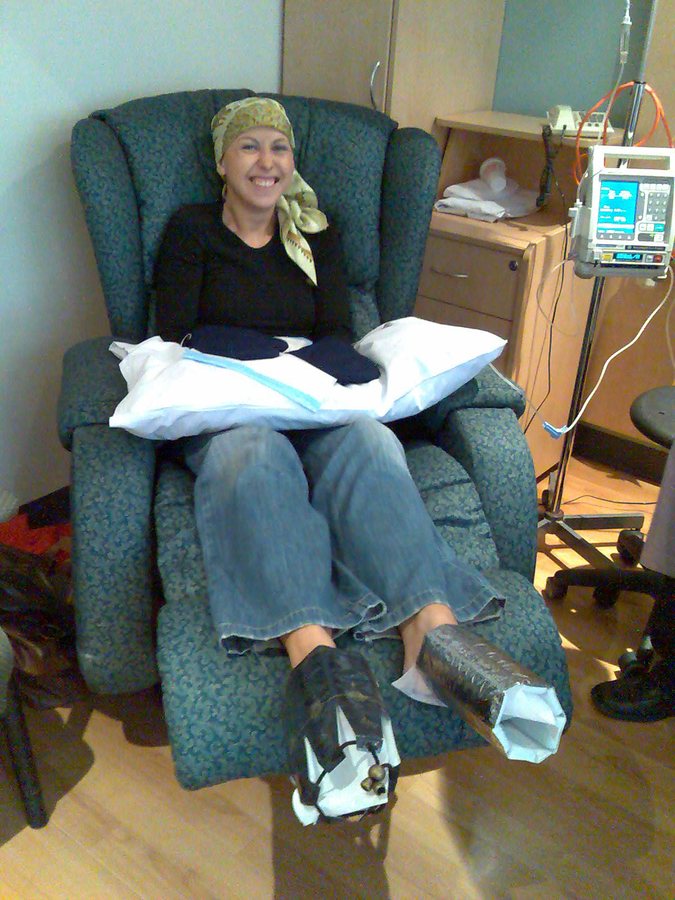
Srivastava emphasizes that success in cancer treatment should not be measured solely by scan results or survival curves. A drug's effectiveness must be accompanied by an understanding of what patients experience during and after therapy: side effects, physical and emotional burdens, and the impact on work, family, and daily routine. Extending life expectancy is important, but it must be combined with the quality of that life. For many people undergoing prolonged immunotherapy, these aspects determine whether they can return to their usual rhythm of life.
The broader context of scientific research also deserves attention. A separate study, published in October 2026, showed that certain obesity-related diets can enhance the effect of cancer immunotherapy in mice. According to the work, the interaction of food with intestinal bacteria, which strengthen the immune response to cancer, may play a decisive role. The authors note that this finding contradicts common notions about diet and cancer treatment, but so far it has only been confirmed in animals, and its practical significance for humans remains to be determined.
Both directions, personalized vaccines and the study of how nutrition affects the immune system, demonstrate that modern oncology increasingly seeks ways to make the body's immune response more powerful. For patients, this means not only new treatment options but also the need, together with scientists and doctors, to discuss how these methods affect a person's ordinary life from the start of treatment to its end.
Source: theguardian.com
8