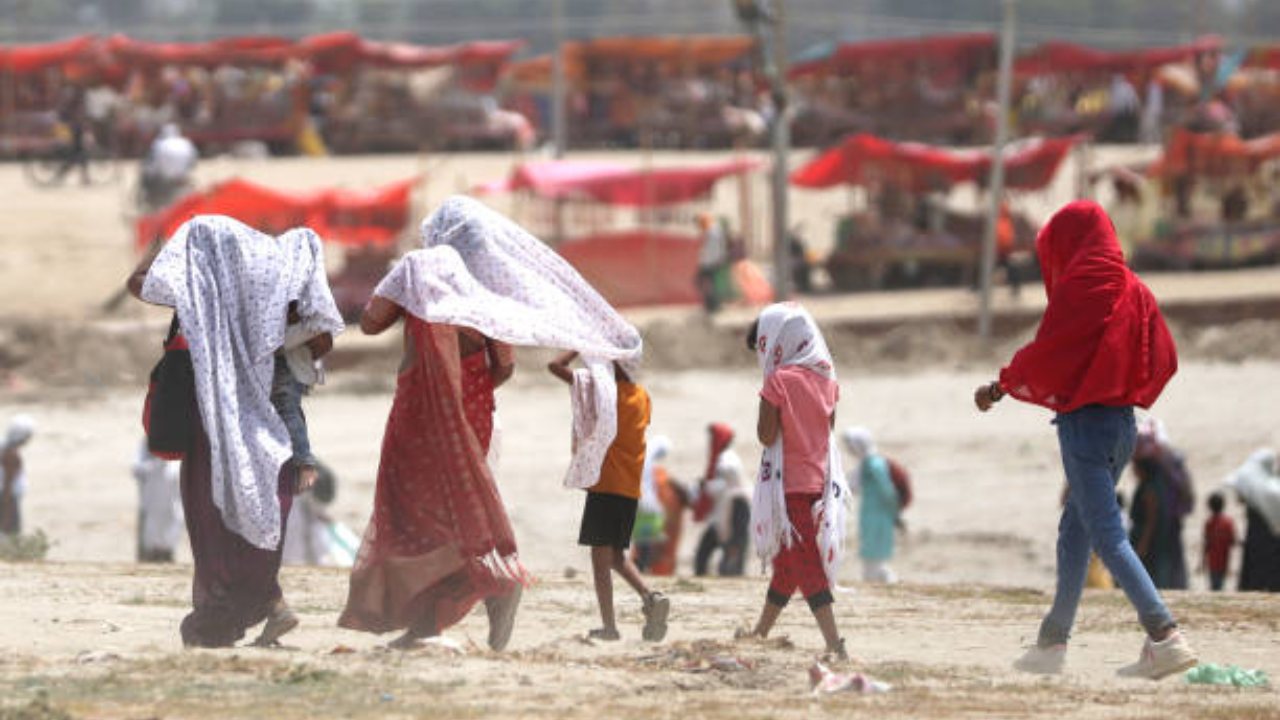
Climate change has added roughly one extra month of dangerous heat stress per year for 61 percent of children in India, according to new research. The study finds that rising global temperatures have doubled the exposure of young children to hazardous heat levels, a burden that falls more heavily on this age group than on any other segment of the population.
The findings highlight a stark generational and geographic disparity in the impacts of a warming planet. Children in developing nations, particularly in South Asia, are bearing a disproportionate share of the health and developmental risks associated with extreme heat, even though they have contributed the least to the greenhouse gas emissions driving climate change.
Researchers warn that the situation is set to worsen. Projections based on future warming scenarios indicate that Indian children will face even greater heat stress in the coming decades if global temperatures continue to rise. The additional heat exposure threatens not only immediate health outcomes but also long-term well-being, affecting everything from physical development to educational attainment.
The study's findings are part of a broader pattern of climate impacts that are intensifying across the region. Extreme heat events have become more frequent and severe in India, with heatwaves now arriving earlier in the year and lasting longer. For children, whose bodies are less able to regulate temperature than adults, these conditions pose a particular danger, increasing the risk of heat exhaustion, dehydration, and heatstroke.
Beyond the immediate medical dangers, chronic exposure to excessive heat can disrupt sleep, impair cognitive function, and reduce the ability to concentrate, all of which can hinder learning and development. For millions of children in India, many of whom live in densely populated urban areas or in rural regions with limited access to cooling, the added month of heat stress represents a significant and growing challenge.
The research underscores the urgent need for adaptation measures tailored to protect vulnerable populations. Investments in heat action plans, early warning systems, and infrastructure designed to reduce urban heat islands are seen as critical steps. Expanding access to green spaces, ensuring reliable water supplies, and making schools and homes more resilient to high temperatures are among the measures that could help mitigate the impact on children.
The findings also add to the mounting evidence that the consequences of climate change are not distributed evenly across the global population. While the entire world is experiencing the effects of a warming atmosphere, the youngest residents of the poorest and most climate-vulnerable nations are facing some of the most severe and immediate threats to their health and future prospects.
129