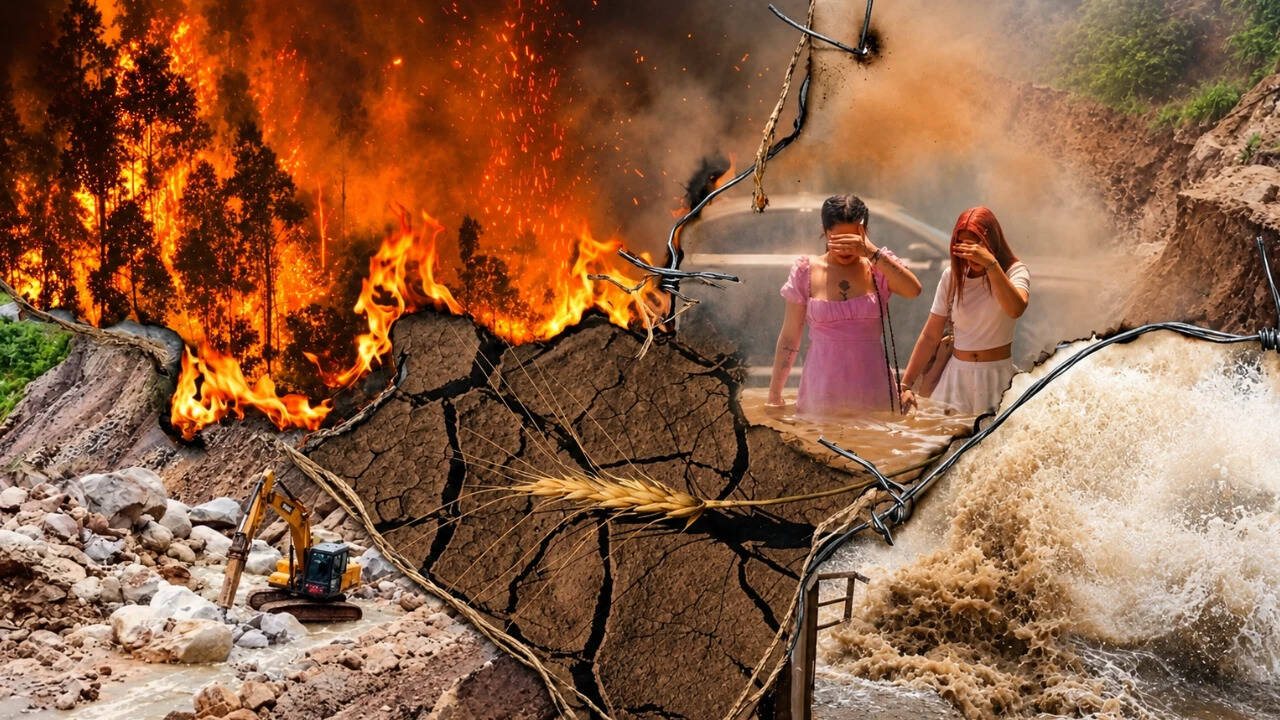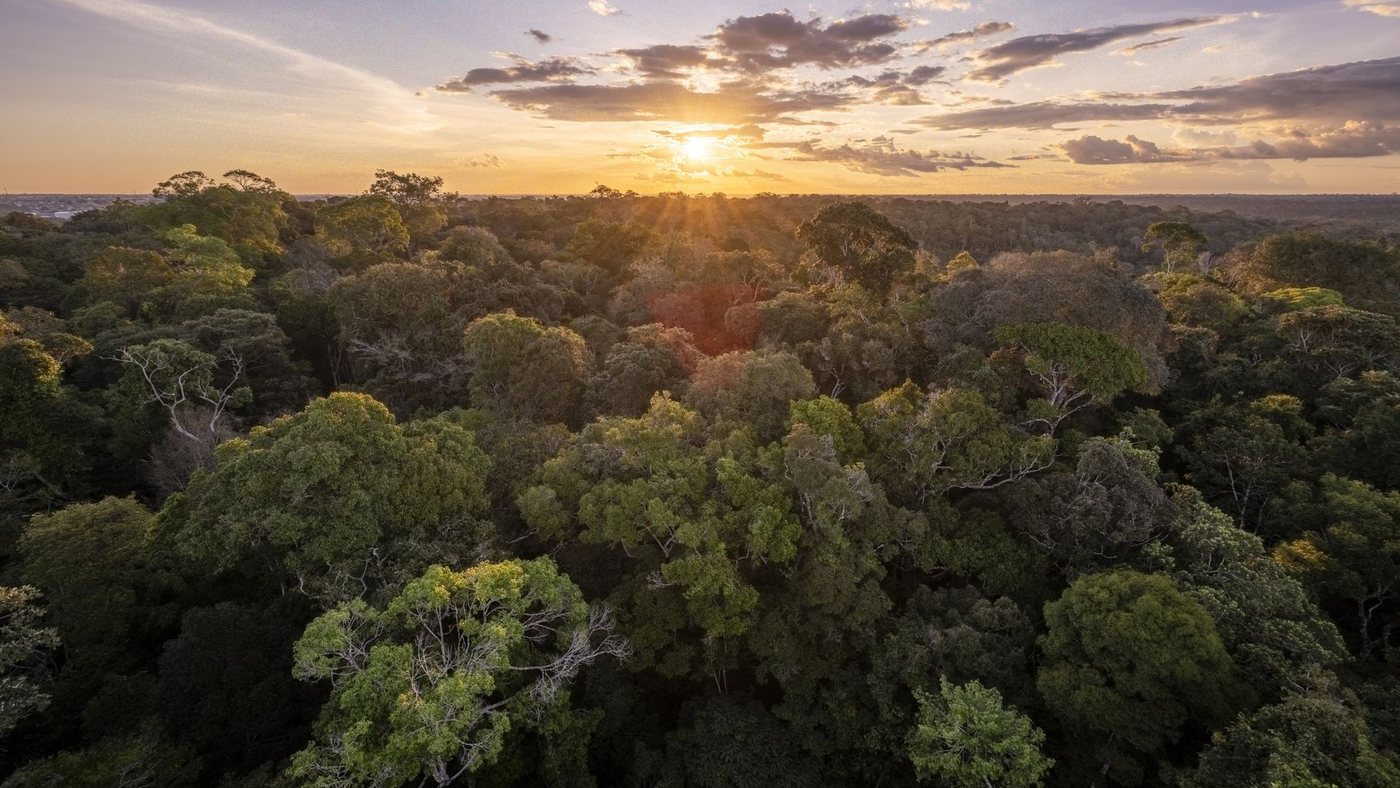
The Amazon rainforest is facing an unprecedented convergence of threats that could push the world's largest tropical forest past a critical tipping point, scientists warn. A combination of El Niño-driven drought, long-term climate change, and criminal activity such as illegal logging and land grabbing is accelerating deforestation and degradation across the region, raising fears that large parts of the forest could eventually transform into dry savanna.
El Niño, a periodic climate pattern that warms surface waters in the central and eastern Pacific Ocean, has historically brought severe droughts to the Amazon. But researchers say the most recent El Niño events have been exacerbated by global warming, creating conditions that are hotter and drier than anything the forest has experienced in recorded history. These conditions leave trees more vulnerable to fire and disease, and they reduce the forest's ability to regenerate after disturbances.
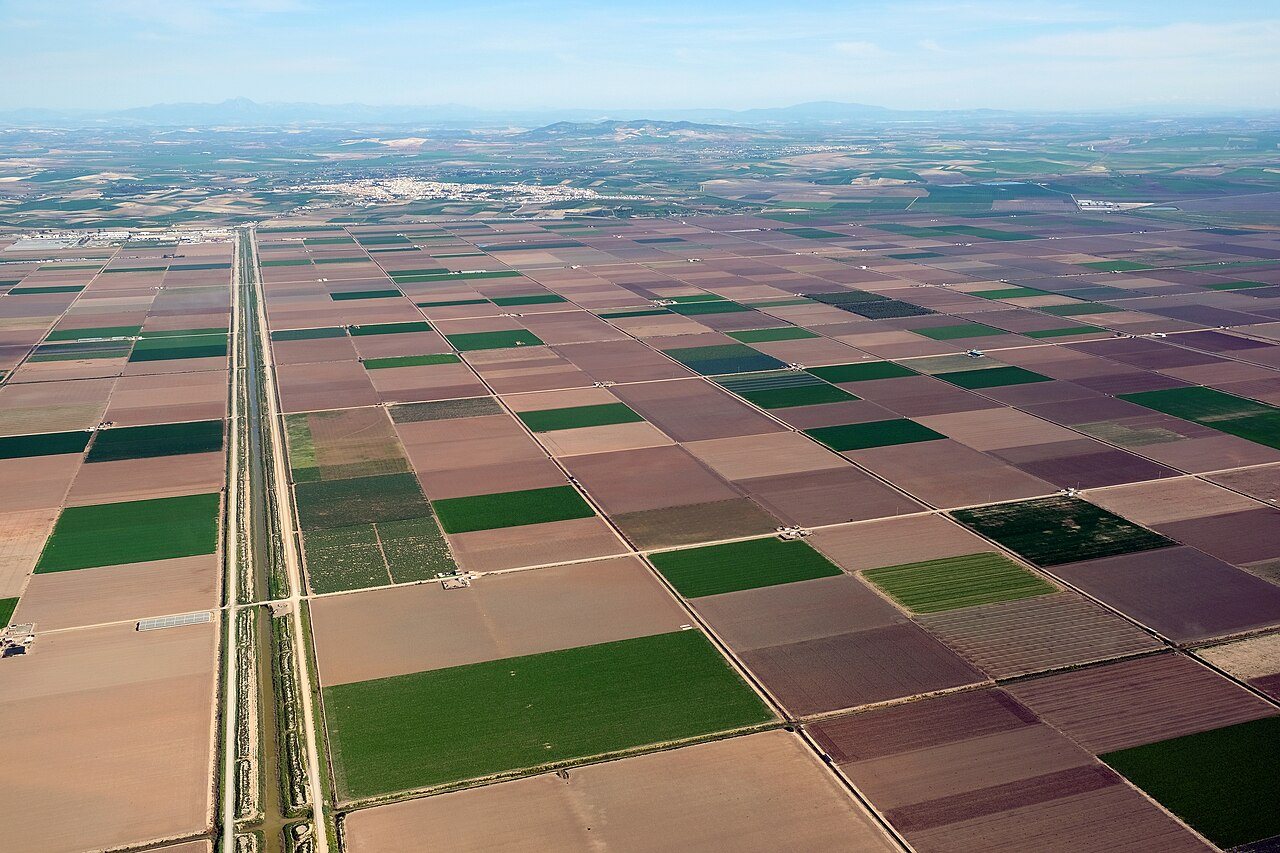
At the same time, criminal networks are exploiting the chaos. Illegal loggers, miners, and land speculators have moved deeper into previously remote areas, often with impunity. Their activities not only remove trees directly but also fragment the forest, making it more susceptible to edge effects — changes in microclimate and biodiversity that occur along the boundaries of cleared areas. Fragmentation also increases the risk of fires spreading from agricultural clearings into standing forest.
The combination of climate stress and human pressure is creating a feedback loop. As the forest dries out, it loses its ability to generate its own rainfall through transpiration, a process that recycles water vapor and sustains the region's hydrological cycle. With less rain, the forest becomes even more vulnerable to fire, which in turn releases carbon dioxide and further warms the planet. Scientists refer to this self-reinforcing cycle as a tipping point — a threshold beyond which the forest can no longer maintain itself.
«At some point we're going to have to react,» one researcher warned, reflecting a growing sense of urgency among scientists who study the region. The Amazon is home to an estimated 10 percent of all known species and stores roughly 150 billion tons of carbon, making its fate a global concern. If the forest were to die back significantly, it would release vast amounts of carbon into the atmosphere, undermining efforts to limit global warming and threatening biodiversity on an unprecedented scale.
Indigenous communities and local populations are on the front lines of these changes. They face not only the ecological consequences of deforestation but also violence and intimidation from criminal groups. Many have called for stronger enforcement of environmental laws and greater international support for conservation efforts. However, political instability and weak governance in several Amazonian countries have hampered effective action.
Some scientists argue that the tipping point may already be closer than previously thought. Recent studies suggest that parts of the eastern Amazon have already shifted from a carbon sink to a carbon source, meaning they release more carbon dioxide than they absorb. This shift is a clear signal that the forest's resilience is being eroded.
Addressing the crisis will require a coordinated response that tackles both climate change and criminal activity. Researchers emphasize the need for reforestation, stricter protection of indigenous lands, and a rapid transition away from fossil fuels. Without such measures, they warn, the Amazon could cross a threshold from which it cannot recover, with consequences that would be felt worldwide.