A grassroots film project is offering a new way to confront climate anxiety by turning collective fear into collective action. The People's Emergency Briefing delivers a stark warning about humanity's future in a warming world, but its organizers argue that sharing difficult truths together reveals that hope is still possible.
The initiative arrives at a moment when the scale of climate-related threats is becoming harder to ignore. More than 450,000 people are predicted to die from an unprecedented El Niño over the next six months, according to projections cited in the briefing. A separate report by UK intelligence chiefs found that the collapse of natural systems poses a direct threat to security and defence around the world. That report was suppressed under former prime minister Keir Starmer's leadership, according to reporting that brought the document to public attention.
Against that backdrop, the film project takes a different approach from conventional climate communication. Rather than presenting statistics alone, it emphasizes the shared experience of confronting difficult realities. The model suggests that collective acknowledgment of the crisis can reduce the paralysis that often accompanies climate anxiety and replace it with a sense of agency.
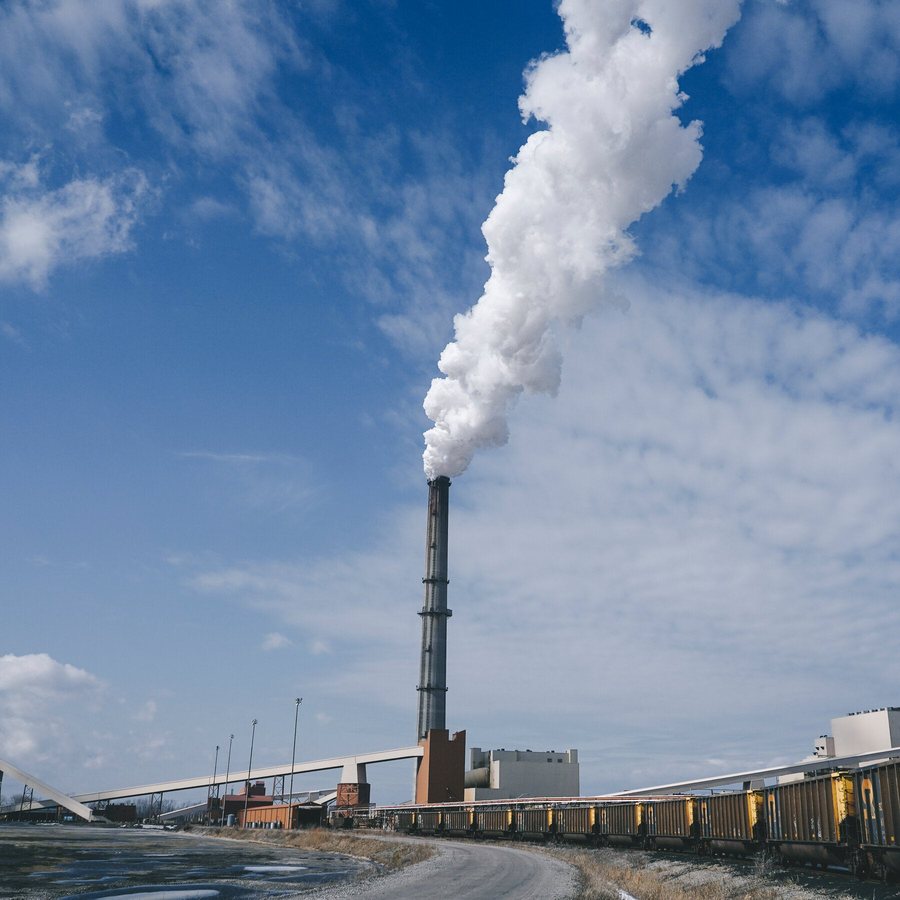
The timing of the briefing reflects a season of compounding environmental stress. An unusually warm autumn has followed a relentlessly dry summer, leaving parched parks and fire-ravaged forests across many regions. Those visible changes in the landscape form the immediate backdrop for the film's message, grounding abstract climate projections in everyday experience.
The project also responds to a political environment in which climate skepticism remains active. Right-leaning commentators continue to seed doubt about the scientific consensus on warming, even as the physical evidence accumulates. By focusing on grassroots participation rather than elite debate, the briefing seeks to bypass that dynamic and speak directly to communities experiencing the effects of a changing climate.
Similar efforts are underway elsewhere. Along Colombia's Caribbean coast, the Vida Manglar initiative shows how local communities are restoring waterways, maintaining mangroves, and identifying where restoration is most vital. Mangroves function as climate allies that store carbon, support marine life, and protect coastal communities from storms and erosion. That work illustrates the broader principle behind the People's Emergency Briefing: local action, organized collectively, can address both the causes and consequences of climate disruption.
International gatherings such as Climate Week NYC and the COP conferences offer opportunities to build on such action, connecting ecosystem protection with livelihoods and scaling solutions for climate, biodiversity, and people. The briefing's organizers frame their film as part of that wider effort, using shared storytelling to move audiences from anxiety toward engagement.
The stakes extend beyond any single project. As natural systems come under increasing pressure, the question of how societies respond — with paralysis or with coordinated action — will shape security, public health, and economic stability for decades. The People's Emergency Briefing argues that facing those difficult truths together is not a source of despair but a foundation for hope and a starting point for meaningful response.
10