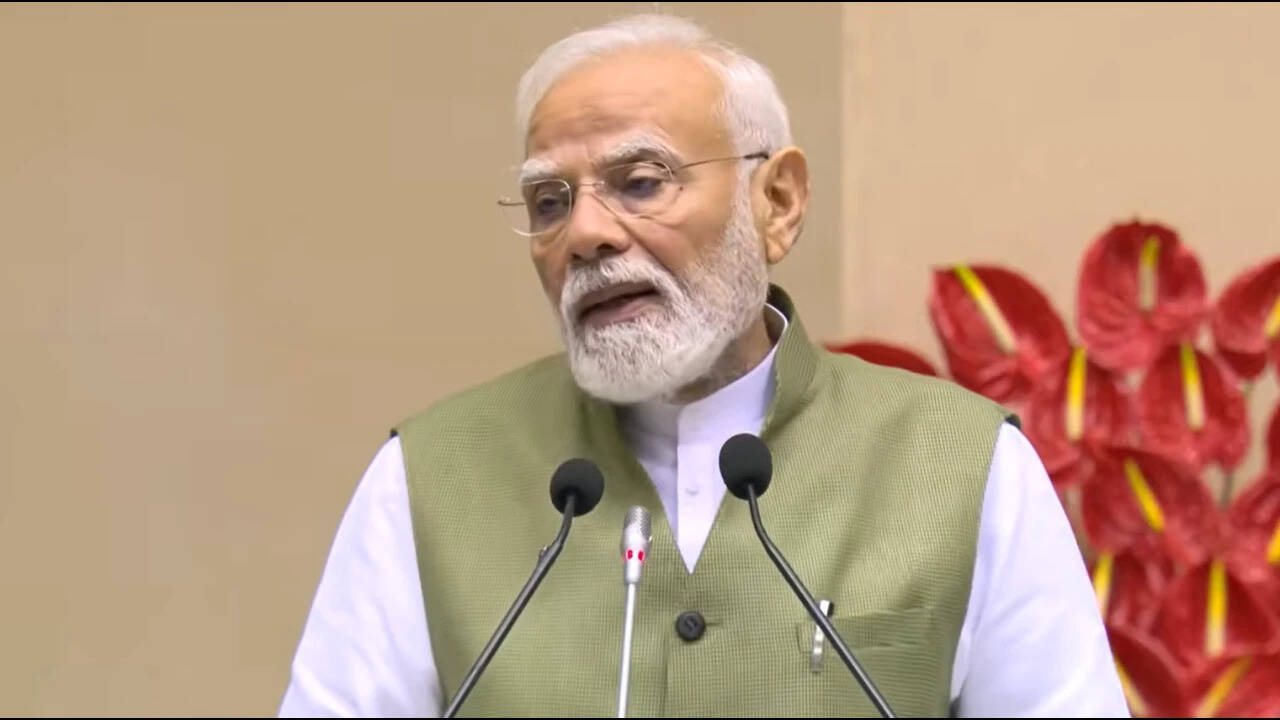
India's Prime Minister Narendra Modi inaugurated a global conference on environment and climate dynamics, bringing together scientists, researchers and policymakers to examine the forces driving environmental change and the evidence base for climate action.
The conference places scientific research at the center of the climate debate, with sessions expected to address atmospheric dynamics, ecosystem health and the measurement of environmental change. The gathering reflects a widening effort to connect laboratory and field research with the policy decisions that governments must make as climate impacts intensify.
In his remarks, Modi framed environmental protection as a shared global responsibility, linking climate dynamics to questions of sustainability, energy transition and the well-being of communities most exposed to extreme weather, drought and flooding. The conference is intended to serve as a platform for exchanging data, methods and findings across national research communities.
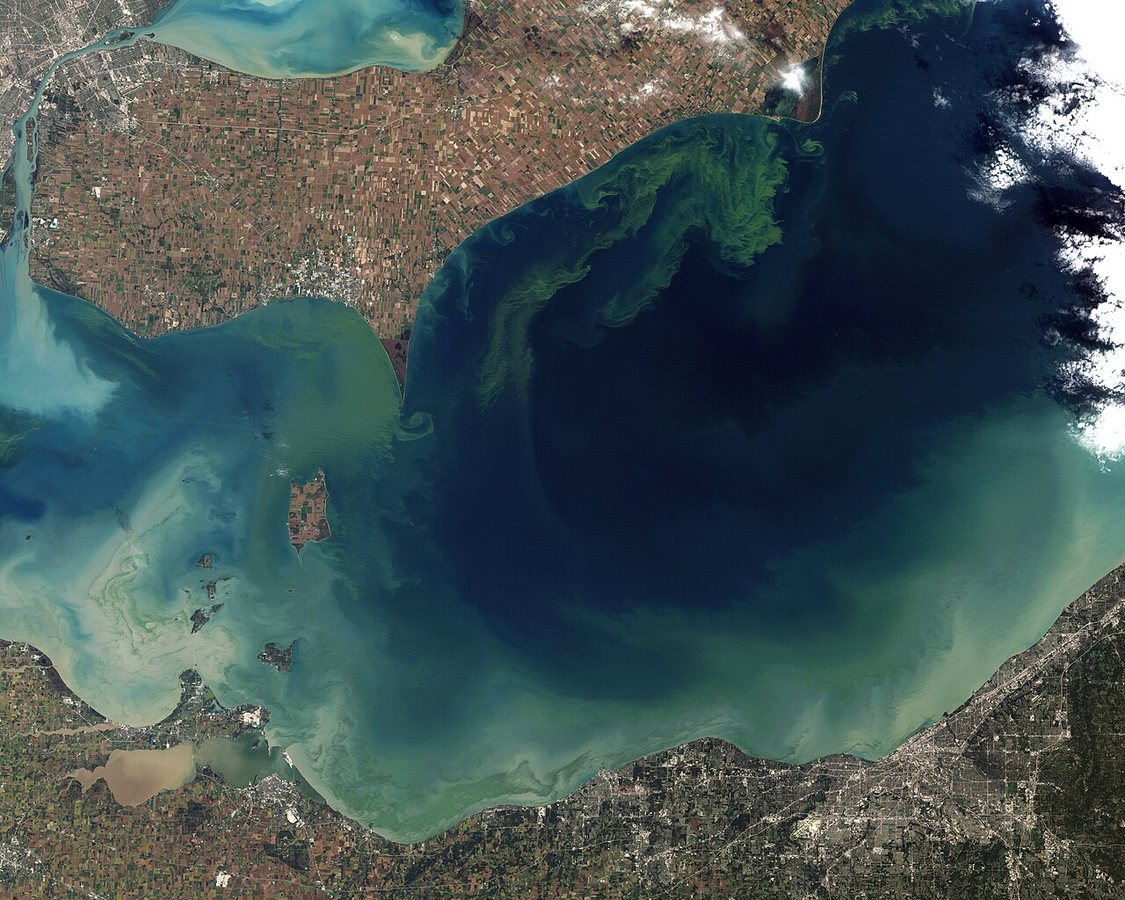
The event also highlights the growing role of international scientific cooperation in tracking environmental change. Climate dynamics research draws on atmospheric monitoring, ocean and land observations, satellite data and computer modeling to understand how natural systems respond to rising greenhouse gas concentrations and other human pressures.
For India, the conference comes as the country balances rapid industrial development and energy demand with commitments to reduce emissions and expand renewable energy. Indian research institutions have become increasingly active in climate science, biodiversity monitoring and environmental technology, and the government has positioned scientific innovation as part of its broader sustainability agenda.
Participants are expected to discuss how research findings can inform environmental policy, conservation efforts and adaptation planning. The conference's focus on climate dynamics reflects a broader recognition that understanding the pace and variability of environmental change is essential for preparing for its consequences.
The meeting also underscores the political and cultural dimensions of climate science. Environmental policy intersects with questions of economic development, energy security, public health and social equity, and scientific evidence often becomes central to debates over how quickly and how fairly countries should act.
By convening researchers and decision-makers in the same forum, the conference aims to strengthen the link between evidence and action. Organizers and participants are expected to continue discussions on monitoring systems, data sharing and the translation of research into practical measures for governments, industries and communities.
The outcomes of the conference are likely to feed into ongoing international conversations about environmental governance and climate resilience, reinforcing the idea that science remains a foundation for addressing the environmental challenges of the coming decades.