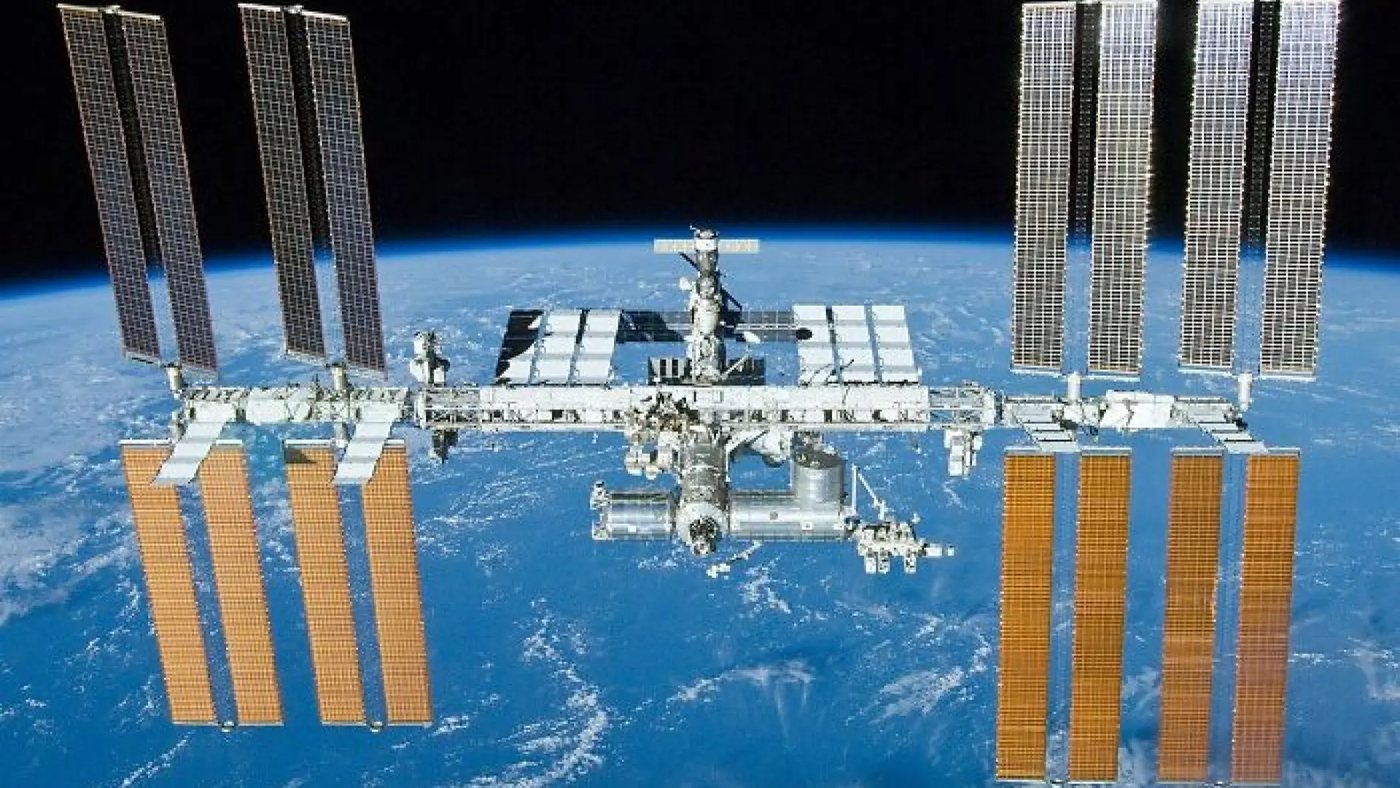
NASA's Neil Gehrels Swift Observatory, a 3,200-pound space telescope, is on a course back toward Earth and is expected to reenter the atmosphere early Wednesday. The agency says most of the spacecraft should burn up during descent, though some pieces could survive and reach the ground.
NASA puts the risk to people on the ground at roughly 1 in 2,100. The potential debris band stretches across a belt of the planet from about 20.6 degrees north to 20.6 degrees south latitude, covering parts of Central and South America, Central Africa, southern India, Southeast Asia and northern Australia. Current federal standards require the chance of casualties from an uncontrolled reentry to stay below 1 in 10,000, a threshold NASA's estimate exceeds.
The exact time of reentry remains uncertain, and forecasting models carry margins of a few hours. The Aerospace Corporation estimates the descent at 5:19 a.m. Eastern, while a Space Force projection puts it at 7:42 a.m. Eastern.
Swift launched in November 2004 to study gamma-ray bursts, black holes, asteroids and comets. Engineers were unable to raise its orbit, and a rescue attempt by Katalyst Space Technologies' LINK spacecraft failed in July. Stronger atmospheric drag during the peak of the solar cycle in 2024 sped up the observatory's descent. A team at Penn State, working from the mission operations center, sent the final shutdown command on October 20.
The loss leaves NASA without a replacement for Swift's capabilities. The agency is also seeking commercial proposals to extend the life of the Hubble Space Telescope, which has a 50 percent chance of deorbiting by 2033.
Credit. Based on reporting by CNN Newsource for KESQ. Is this your work? Write to us.
16