Young climate activists in Nepal are mounting a campaign to hold the world's largest polluters accountable for the devastating floods and landslides that have displaced communities across the Himalayan nation, according to reporting on the emerging movement.
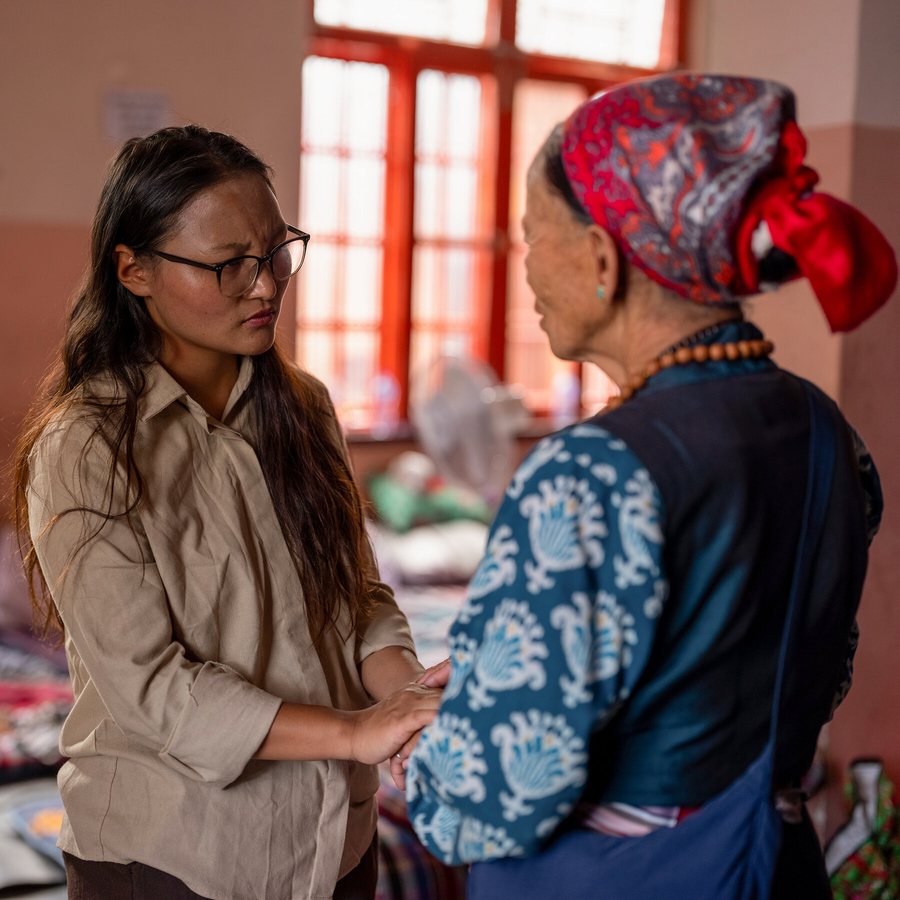
Tashi Lhazom, a climate activist, has been meeting with women displaced by recent floods at a Buddhist monastery in Kathmandu, part of a broader effort by Nepal's Generation Z to connect the dots between global carbon emissions and the intensifying disasters striking their country. The activists argue that nations and industries responsible for the bulk of historical greenhouse gas emissions bear direct responsibility for the loss of life, homes, and livelihoods in countries like Nepal that have contributed minimally to the climate crisis.
The movement reflects a growing frustration among young Nepalis who say that international climate negotiations have failed to deliver adequate support for vulnerable mountain communities. Nepal, with its steep terrain, glacier-fed rivers, and monsoon-dependent agriculture, is among the countries most exposed to climate-related hazards, yet it lacks the resources to protect its population from increasingly severe flooding and landslides.
The activists' focus on polluters extends beyond national governments to include major fossil fuel corporations and industrialized economies whose emissions have accumulated in the atmosphere over decades. By framing the issue as one of accountability rather than charity, Nepal's Gen Z is aligning itself with a broader global youth movement that has increasingly turned to legal and political strategies to force emissions reductions and secure compensation for climate damages.
Displaced communities in Nepal have borne the brunt of the disasters. Women who lost their homes in the floods have sought refuge in monasteries and temporary shelters, where activists like Lhazom have documented their stories and amplified their demands. These encounters have become a central part of the campaign, grounding abstract climate policy debates in the lived experiences of people who have lost everything.
The campaign comes as climate-vulnerable nations continue to press for expanded financing to address loss and damage, a contentious issue in international climate talks. Wealthy countries have pledged billions of dollars, but disbursement has been slow, and critics say the sums fall far short of actual needs. For Nepali activists, the gap between promises and reality has become a rallying cry.
Nepal's youth-led climate movement also intersects with broader political currents in the country, where young people have grown increasingly vocal about governance, corruption, and economic opportunity. Climate activism has become a vehicle for expressing wider frustrations about a system that many young Nepalis feel has left them behind, even as they face some of the most immediate consequences of a warming planet.
The activists' strategy includes direct appeals to international audiences, coalition-building with youth groups in other climate-vulnerable countries, and pressure campaigns aimed at governments and corporations attending global climate summits. Their message is straightforward: those who caused the crisis must pay for its consequences, and the voices of those living with the damage must be central to any solution.
As monsoon seasons grow more intense and glacial melt accelerates in the Himalayas, the stakes for Nepal and similar nations continue to rise. The Gen Z activists say they have no intention of waiting for slow-moving international processes to deliver results, and they are preparing to escalate their campaign in the months ahead.