Nepal plans to use a new scientific study to seek millions of dollars in compensation from a United Nations climate disaster fund, after researchers concluded that climate change was a likely factor in a massive flood that struck the Nepal-Tibet border last month. The move marks a significant test of international mechanisms designed to help vulnerable nations recover from climate-related losses.
The study, conducted by an international team of scientists, examined the conditions that led to the flood and found that warming temperatures played a probable role in triggering the disaster. While the exact contribution of climate change remains under investigation, the findings provide Nepal with a scientific basis to argue that the event falls under the category of climate-induced loss and damage.
Nepal's decision to pursue compensation through the UN fund reflects a growing trend among developing countries to use attribution science — research that links specific extreme weather events to climate change — as a legal and diplomatic tool. The fund, established to assist nations facing irreversible climate impacts, has been slow to disburse money, and Nepal's claim could set a precedent for how such requests are evaluated.
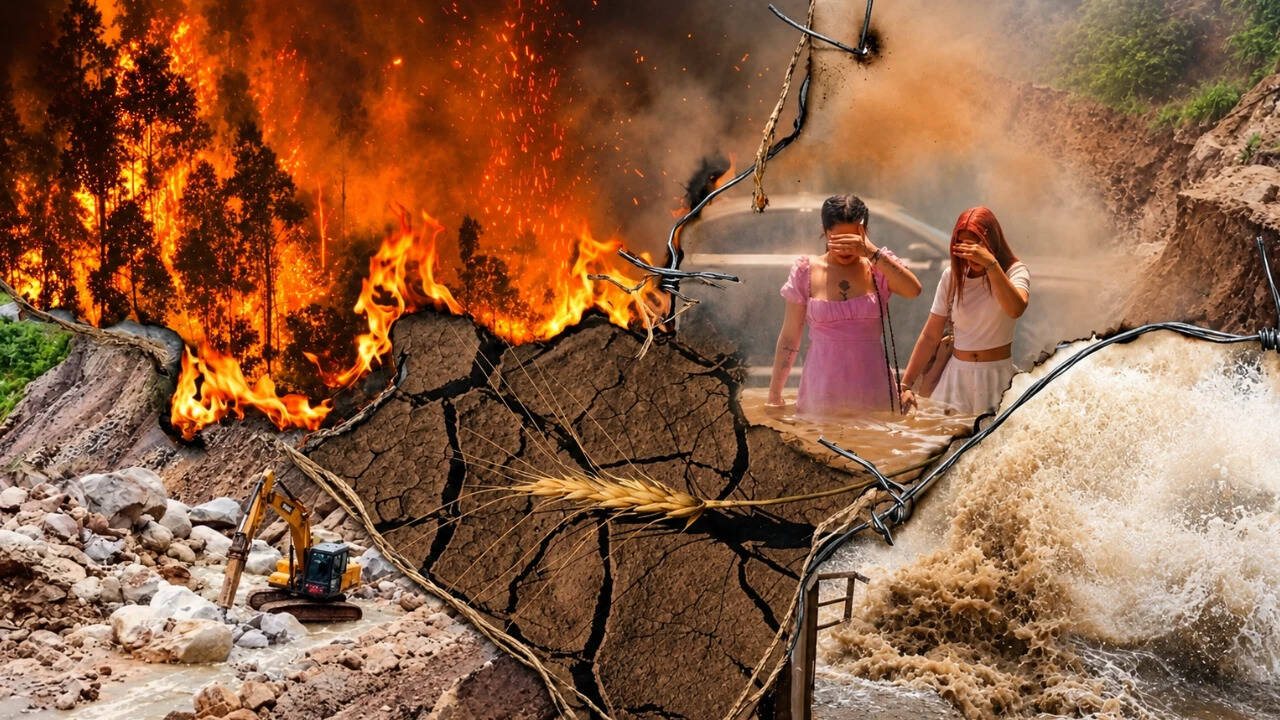
The flood caused widespread destruction in the region, displacing communities and damaging infrastructure. While the full extent of the losses is still being assessed, Nepalese officials say the economic toll runs into the millions. The government hopes that a successful claim will not only provide immediate relief but also strengthen the case for larger commitments from industrialized nations responsible for the bulk of historical greenhouse gas emissions.
Scientists involved in the study caution that while the link to climate change is likely, the research is preliminary and subject to peer review. Nevertheless, the findings add to a growing body of evidence showing that mountain regions are particularly vulnerable to climate shifts, with melting glaciers and changing precipitation patterns increasing the risk of catastrophic floods.
The UN climate disaster fund, formally known as the Fund for Responding to Loss and Damage, was a key outcome of recent international climate negotiations. It aims to provide financial support to countries that are disproportionately affected by climate change despite contributing little to the problem. Nepal's claim could be one of the first major tests of the fund's effectiveness.
Officials in Kathmandu say they are preparing a formal submission that will include the new study alongside documentation of the flood's impact. If successful, the compensation could help rebuild affected communities and improve early warning systems for future disasters. The outcome will be closely watched by other climate-vulnerable nations considering similar claims.