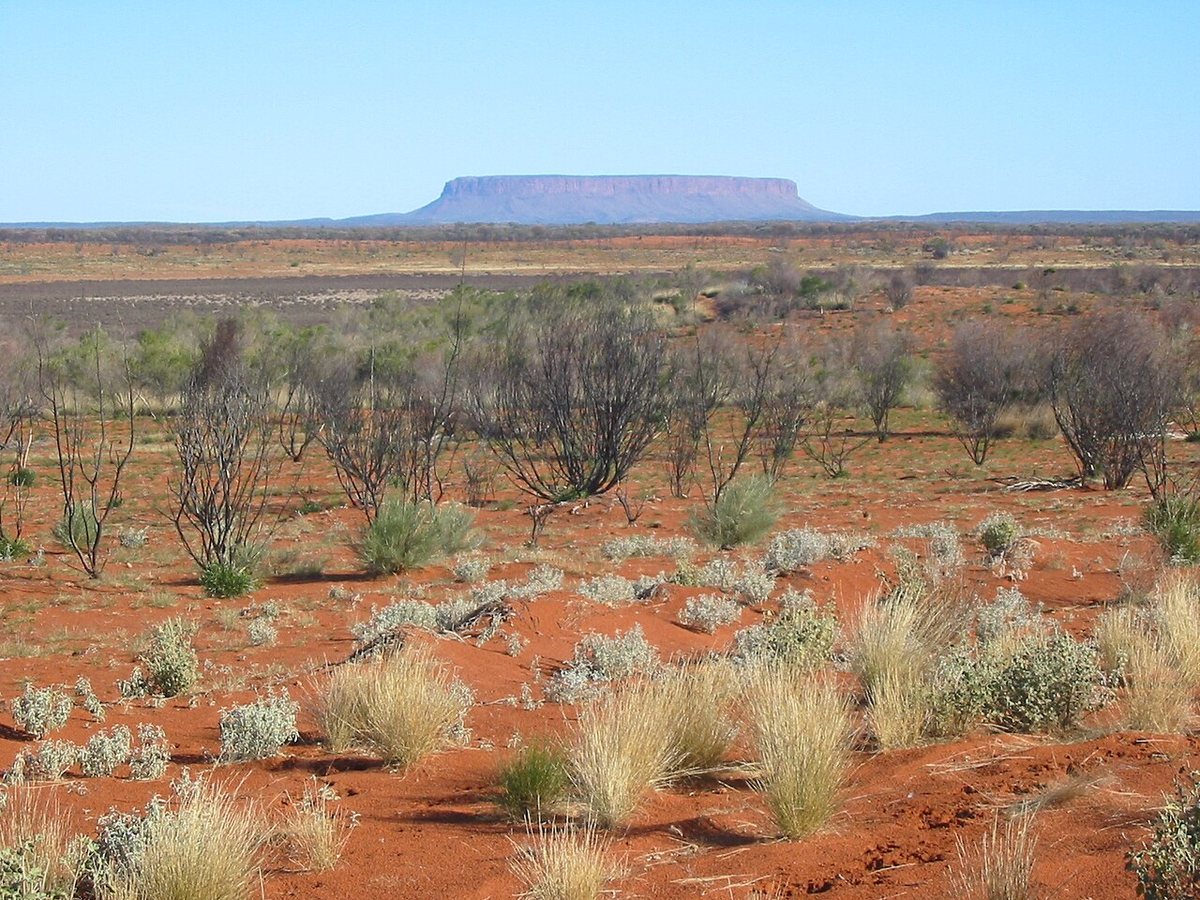
Researchers from the Australian National University and the University of New South Wales say many forest regeneration projects in Australia's semi-arid outback are generating carbon credits that do not reflect real environmental gains. Their study, reported by the Guardian, describes these areas as "phantom forests" and argues that the credits allow fossil fuel companies to continue emitting greenhouse gases while claiming to offset their pollution.
The academics examined 50 regeneration projects operating in semi-arid parts of the outback, where the land is dry and sparsely vegetated. Their findings showed only small increases in forest cover and canopy cover across the sites. The researchers noted this was despite wet conditions in some regeneration areas, which they said might have been expected to support stronger growth.
The researchers say the results raise questions about whether the projects are delivering the carbon storage that buyers of offset credits are paying for. Carbon credits are widely used by companies and organisations to balance out emissions they produce elsewhere, so the accuracy of the underlying claims matters for the credibility of such schemes.
The findings have revived a wider debate about the legitimacy of Australia's climate policy and the reliance on offset markets to meet emissions goals. Critics of carbon offsetting have long argued that credits can give polluters a route to avoid cutting their own output, and this study adds to those concerns.
The carbon credit companies involved in the projects have rejected the research findings. Their response leaves the dispute unresolved, with the academic assessment and the industry's account of the projects standing in direct contrast.
Credit. Based on reporting by Adam Morton for The Guardian. Is this your work? Write to us.
22