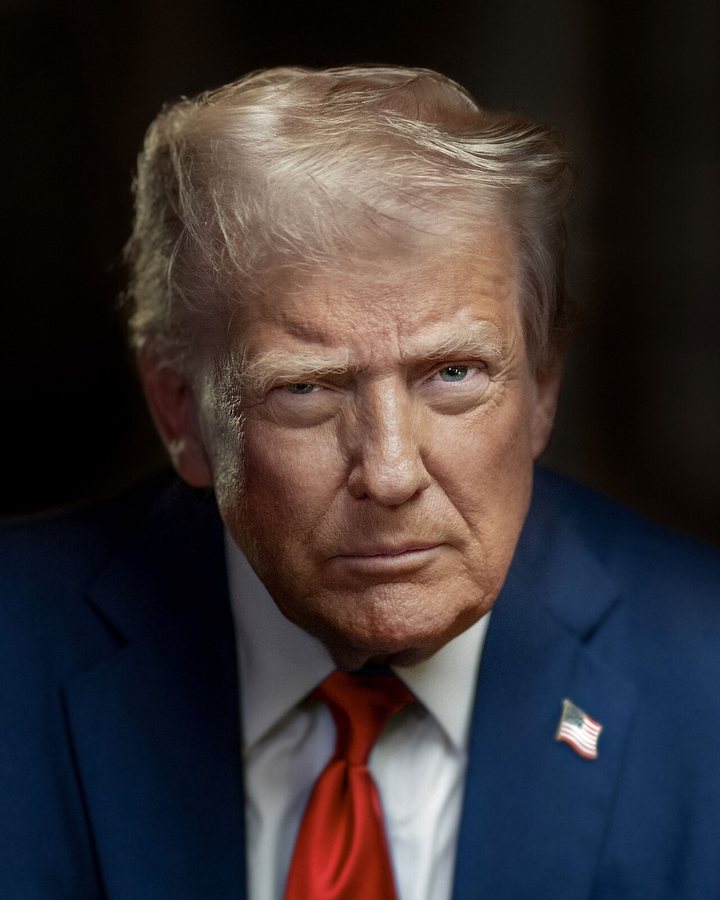
A new executive order from President Donald Trump directing federal agencies to prioritize recreational fishing and reconsider the scientific standards and environmental regulations that govern American fisheries is drawing sharp criticism from conservation advocates, who warn it could weaken protections for marine ecosystems.
The order, titled «Restoring American Saltwater Angling and Recreation», was signed last Thursday. It instructs federal agencies to elevate recreational fishing in their decision-making and to revisit the scientific benchmarks used to manage fish populations and their habitats.
The National Marine Fisheries Service, the federal agency responsible for stewardship of the nation's marine resources, praised the measure. In a statement, the agency said the order addresses «long-standing flaws in federal data collection», streamlines permitting, and expands marine habitats. It described the action as delivering «long-overdue stability to America's $1.2tn outdoor recreation economy».
But advocates for ocean conservation argue the order represents a significant rollback of the science-based safeguards that have long governed US fisheries. They contend that reconsidering scientific standards opens the door to looser catch limits, reduced habitat protections, and decisions driven by short-term economic interests rather than the long-term health of fish stocks.
One advocate described the order as a «giveaway of fish and ocean ecosystem», warning that the changes could undermine decades of progress in rebuilding depleted populations and managing marine resources sustainably.
The order's emphasis on streamlining permitting and expanding marine habitats has also raised questions about how federal agencies will balance recreational access with conservation obligations. Recreational fishing is a major economic driver in coastal communities, supporting jobs in tourism, equipment manufacturing, and related industries. But critics say the order prioritizes one user group over the broader ecological health of the oceans.
The scientific standards referenced in the order are central to federal fisheries management. They include data collection on fish populations, stock assessments, and the biological thresholds used to set catch limits. Reconsidering those standards could affect how regulators determine whether a fishery is healthy or overfished, and what measures are needed to protect it.
The National Marine Fisheries Service framed the order as a corrective to what it called flaws in federal data collection. The agency said the changes would improve the accuracy of information used to manage fisheries and would expand marine habitats, though it did not detail specific habitat projects or data reforms.
Conservation groups remain skeptical. They point out that the order directs agencies to prioritize recreational fishing, a mandate that could conflict with existing legal requirements to conserve marine populations and protect endangered species. They also warn that revisiting scientific standards could introduce political considerations into decisions that have traditionally been guided by peer-reviewed research.
The order comes amid broader debates over the balance between economic activity and environmental protection in US waters. Recreational fishing groups have long argued that federal regulations are overly restrictive and that data used to set limits is outdated or inaccurate. Environmental advocates counter that robust science is essential to prevent overfishing and to preserve marine biodiversity for future generations.
As federal agencies begin to implement the order, the practical effects on fisheries and ocean ecosystems will become clearer. For now, the measure has intensified a long-running dispute over how the nation's marine resources should be managed — and who gets to decide.
9